
You can feel perfectly fine and still have dangerously high blood pressure. That’s what makes it one of the most deceptive threats to long-term health. Known as the “silent killer,” high blood pressure—or hypertension—can go …
Blood Pressure Screenings—Frequency & Importance
July 12, 2025
You can feel perfectly fine and still have dangerously high blood pressure. That’s what makes it one of the most deceptive threats to long-term health. Known as the “silent killer,” high blood pressure—or hypertension—can go unnoticed for years while quietly damaging the heart, kidneys, and blood vessels. Regular blood pressure screenings are one of the simplest and most effective ways to catch problems early and prevent chronic disease before it starts.
In a city like Miami, where lifestyle, stress, and diet can vary widely, checking your blood pressure regularly is more than a medical formality—it’s a critical part of staying healthy and active.
1. What is blood pressure and why does it matter?
Blood pressure is the force of blood pushing against the walls of your arteries. It’s measured using two numbers:
- Systolic (top number): Pressure during a heartbeat
- Diastolic (bottom number): Pressure between beats
A healthy reading is generally under 120/80 mm Hg. Higher readings, especially above 130/80, indicate elevated or high blood pressure—often without symptoms. Left untreated, this condition increases the risk of:
- Heart disease
- Stroke
- Kidney damage
- Vision loss
- Cognitive decline
It’s a foundational vital sign that tells your provider how hard your heart is working at rest.
2. How often should adults get screened?
The frequency of blood pressure screenings depends on age, risk factors, and previous readings:
- Adults 18–39 with normal readings: Every 3–5 years
- Adults 40+ or at higher risk: Every year
- People with prehypertension or hypertension: At every medical visit or as advised
If you’ve ever had a reading above 120/80, you should be checking more often—even if you feel completely fine.
3. What puts you at risk for high blood pressure?
Several factors increase the likelihood of developing hypertension, including:
- Family history of high blood pressure
- Obesity or being overweight
- Sedentary lifestyle
- Smoking or heavy alcohol use
- High sodium intake
- Chronic stress
- Conditions like diabetes, kidney disease, or sleep apnea
Many of these risk factors are common in urban areas like Miami, where long commutes, fast-paced jobs, and salty foods are part of daily life.
4. What happens during a blood pressure screening?
The screening is quick, painless, and can be done in:
- A doctor’s office
- A pharmacy
- At home with a personal monitor
- During health fairs or mobile clinics
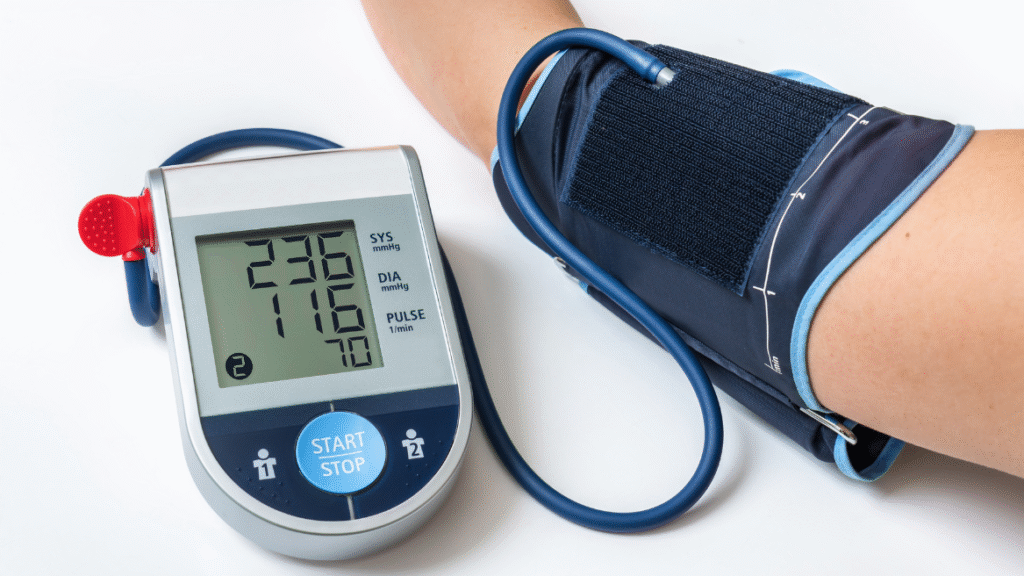
You’ll sit quietly for a few minutes before a cuff is wrapped around your upper arm. The device inflates and slowly deflates, measuring your pressure. Results are available immediately, and your provider may take multiple readings to ensure accuracy.
5. Understanding your numbers
Here’s how most healthcare professionals interpret blood pressure readings:
- Normal: Under 120/80 mm Hg
- Elevated: 120–129 / less than 80 mm Hg
- High blood pressure stage 1: 130–139 / 80–89 mm Hg
- High blood pressure stage 2: 140+ / 90+ mm Hg
- Hypertensive crisis: 180+/120+ (seek emergency care)
Even a single high reading doesn’t always mean you have hypertension—but it’s a reason to monitor more closely.
6. Why consistency matters
A one-time reading at the doctor’s office can be affected by nerves, caffeine, or stress (often called “white coat syndrome”). That’s why regular monitoring over time gives a clearer picture. Providers may ask you to:
- Track readings at home twice daily for a week
- Use a digital monitor to log results
- Share your data through telehealth tools or apps
Trends are more important than isolated readings when making treatment decisions.
7. When high blood pressure leads to chronic disease
Unchecked hypertension can lead to a range of serious complications, including:
- Heart failure: The heart becomes too weak to pump effectively
- Kidney disease: Blood vessels in the kidneys are damaged over time
- Stroke: High pressure can rupture or block arteries in the brain
- Eye damage: Blood vessels in the retina may rupture or narrow
- Aneurysms: Constant pressure weakens artery walls, risking rupture
Screening is your first—and best—line of defense against these outcomes.
8. How to lower blood pressure naturally
If your screening results show mild elevation, your provider may suggest lifestyle changes before prescribing medication. These include:
- Reducing sodium (salt) intake
- Increasing potassium-rich foods (like bananas, spinach, and beans)
- Getting 30+ minutes of physical activity most days
- Quitting smoking and limiting alcohol
- Managing stress through breathing, meditation, or therapy
- Losing even 5–10 pounds if overweight
Small shifts in daily habits can produce measurable improvements in blood pressure within weeks.
9. What to know about medications
For those with consistently high readings, blood pressure medications may be necessary. Common classes include:
- Diuretics (to help the body remove excess sodium)
- ACE inhibitors or ARBs (to relax blood vessels)
- Beta-blockers or calcium channel blockers (to reduce heart workload)
It’s common to start with a low dose and adjust over time. The key is to take medication exactly as prescribed and monitor your progress.
10. The bottom line: check it before it’s a problem
You won’t know if you have high blood pressure unless you measure it. That’s why screenings are essential—not just during illness, but as part of your yearly preventive care. It’s quick. It’s simple. And it could save your life.
If you’ve been skipping screenings or haven’t checked your pressure recently, now is the time. One small step can protect your heart, brain, and future.



















