
Your kidneys work behind the scenes 24/7—filtering waste, balancing fluids, and supporting blood pressure. But kidney damage can happen slowly, often without noticeable symptoms. By the time signs appear, the damage may already be advanced. …
Kidney Function Tests for High-Risk Patients
July 12, 2025
Your kidneys work behind the scenes 24/7—filtering waste, balancing fluids, and supporting blood pressure. But kidney damage can happen slowly, often without noticeable symptoms. By the time signs appear, the damage may already be advanced. That’s why routine kidney function tests are essential, especially for individuals in high-risk groups.
In preventive medicine, early detection makes all the difference. For patients with diabetes, high blood pressure, or a family history of kidney disease, simple lab tests can help monitor kidney health and prevent life-altering complications.
1. Why kidney function matters
The kidneys filter about 50 gallons of blood daily and produce around 1–2 quarts of urine. They also regulate:
- Blood pressure
- Electrolyte balance
- Red blood cell production
- Acid-base levels in the body
When kidney function declines, waste builds up in the body, leading to symptoms like swelling, fatigue, nausea, and eventually, kidney failure. Chronic Kidney Disease (CKD) affects millions of adults—but many don’t know they have it.
2. Who’s at high risk for kidney problems?
Certain conditions and lifestyle factors increase the risk of kidney dysfunction. These include:
- Diabetes (Type 1 or Type 2)
- High blood pressure (hypertension)
- Family history of kidney disease
- Heart disease
- Obesity
- Smoking
- Age over 60
- Long-term use of NSAIDs or other nephrotoxic medications
People in these categories should undergo routine kidney function testing, even if they feel perfectly healthy.
3. What are the key kidney function tests?
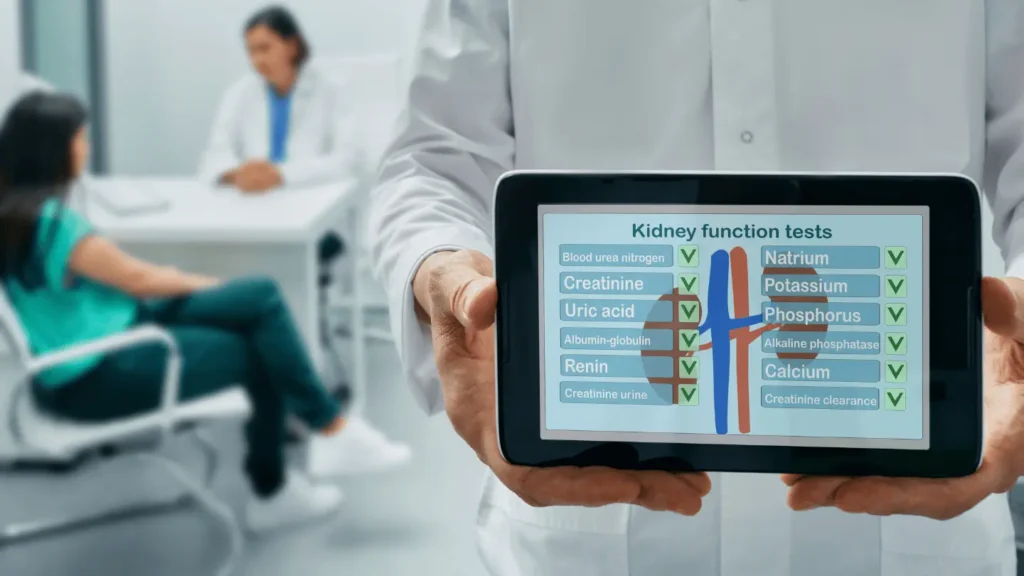
There are several lab tests used to assess how well the kidneys are working. Your provider may order one or a combination of the following:
- Serum Creatinine Test
Measures the amount of creatinine (a waste product) in your blood. High levels may indicate poor kidney filtering. - eGFR (Estimated Glomerular Filtration Rate)
Calculates how efficiently your kidneys are filtering blood. A result under 60 mL/min/1.73m² for three months or more suggests chronic kidney disease. - BUN (Blood Urea Nitrogen) Test
Measures how much urea nitrogen (another waste product) is in your blood. Elevated levels can signal reduced kidney function. - Urine Albumin Test (ACR – Albumin-to-Creatinine Ratio)
Detects small amounts of protein in urine, which may indicate early kidney damage. - Urinalysis
A general test to check for blood, protein, glucose, or infection—all of which can reflect kidney issues.
Each of these tests offers a piece of the puzzle; together, they provide a comprehensive look at kidney health.
4. How often should high-risk patients be tested?
Testing frequency depends on your risk level and whether you already have a chronic condition:
- Diabetes: Annually, starting at diagnosis
- Hypertension: Annually or more often if readings are high
- CKD patients: Every 3–6 months, depending on disease stage
- People on nephrotoxic medications: At least every 6–12 months
Regular monitoring helps track disease progression and guides treatment decisions.
5. What do abnormal results mean?
If your tests reveal impaired kidney function, don’t panic—but do act. Early or moderate kidney damage can often be managed or slowed with:
- Blood pressure or diabetes control
- Diet changes (low sodium, low protein)
- Medication adjustments
- Close follow-up with your provider or nephrologist
A one-time abnormal test doesn’t confirm chronic disease. Your doctor will likely repeat tests to confirm and rule out temporary causes like dehydration or infection.
6. Why early detection is critical
Kidney disease rarely causes symptoms in its early stages. By the time swelling, fatigue, or changes in urination occur, there may already be substantial damage. Early detection through screenings helps:
- Prevent kidney failure and dialysis
- Lower the risk of heart disease (a major complication of CKD)
- Manage blood sugar and blood pressure more effectively
- Avoid dangerous medication interactions
Like many chronic conditions, the best outcomes happen when action is taken early—not when symptoms appear.
7. Tips for protecting kidney health
For those at risk, everyday choices can protect kidney function. Providers often recommend:
- Staying hydrated, but not overdoing water intake
- Avoiding excessive salt and processed foods
- Keeping blood sugar and pressure in target range
- Quitting smoking and limiting alcohol
- Using medications cautiously, especially NSAIDs like ibuprofen
Patients in hot climates like Miami may also need to be extra mindful about hydration and electrolyte balance due to sweating and heat exposure.
8. The connection to other chronic diseases
Kidney disease doesn’t happen in isolation. It’s often linked with other conditions—especially hypertension, diabetes, and cardiovascular disease. Managing one helps manage the others. That’s why kidney function tests are often bundled with:
- Comprehensive metabolic panels
- Diabetes panels (including A1C and glucose)
- Lipid panels for cholesterol
These screenings give your provider a well-rounded understanding of your overall chronic disease risk.
9. Don’t wait for symptoms
Waiting for physical signs of kidney problems can be a costly mistake. Screening is the only reliable way to catch kidney disease early. If you fall into any high-risk group, ask your provider when your last kidney function test was—and whether it’s time to repeat it.
Even one early test could save your kidneys years down the line.



















