Chronic lung conditions like asthma, chronic obstructive pulmonary disease (COPD), and interstitial lung disease can develop slowly and silently. Many people don't recognize the early warning signs until breathing becomes difficult, and by then, the …
Screenings for Chronic Lung Conditions
July 12, 2025
Chronic lung conditions like asthma, chronic obstructive pulmonary disease (COPD), and interstitial lung disease can develop slowly and silently. Many people don’t recognize the early warning signs until breathing becomes difficult, and by then, the damage may already be extensive. Routine screenings can catch these issues early, leading to better management and improved long-term health.
Why lung screenings matter
The lungs are vital to every system in the body, delivering oxygen and filtering out carbon dioxide. When lung function begins to decline, it can affect energy levels, brain function, heart health, and quality of life. Unfortunately, chronic lung conditions often go undiagnosed because their symptoms—like shortness of breath or coughing—are easily dismissed as allergies, aging, or lack of fitness.
Regular lung screenings help:
- Identify early stages of chronic respiratory disease
- Detect reduced lung capacity or inflammation before it becomes severe
- Monitor individuals at higher risk due to smoking or environmental exposure
- Guide early intervention and preventive treatment
Who should be screened for lung conditions
Not everyone needs routine pulmonary screening, but it becomes essential for those at increased risk. You should consider screening if you:
- Are over the age of 40 and have a history of smoking
- Are exposed to secondhand smoke or workplace pollutants (e.g., dust, asbestos, fumes)
- Have a family history of chronic lung disease
- Experience frequent respiratory infections
- Struggle with persistent coughing or wheezing
- Have shortness of breath during mild activity
- Have been diagnosed with asthma or allergies that worsen with age
In these groups, screening can detect decline in lung function before symptoms escalate into emergency situations.
Types of lung screenings
There are several non-invasive tests used to screen for chronic lung disease. Depending on symptoms and medical history, your provider may recommend one or more of the following:
- Spirometry: A breathing test that measures how much air you can inhale and exhale and how quickly you can do it. Used to diagnose COPD and asthma.
- Pulmonary Function Tests (PFTs): A group of tests that assess lung volume, capacity, and flow rates.
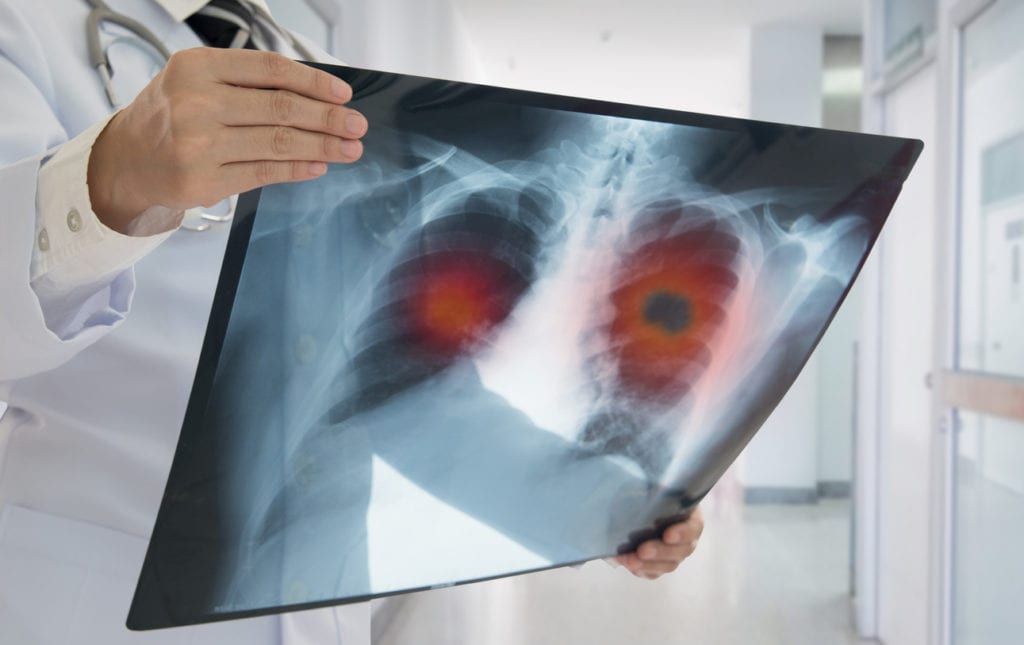
- Chest X-ray: Can reveal structural changes in the lungs, such as scarring, masses, or signs of infection.
- Low-Dose CT Scan: Often used for lung cancer screening, especially in smokers or those with occupational exposure.
- Oximetry: A quick, painless test that measures oxygen levels in your blood.
Early abnormalities in these tests can lead to prompt interventions that preserve lung function and quality of life.
Symptoms that may signal the need for testing
Chronic lung conditions can start with symptoms that are easy to overlook. If you notice any of the following changes, talk to your provider about screening:
- Chronic or frequent coughing
- Shortness of breath during everyday tasks
- Wheezing or noisy breathing
- Increased mucus or phlegm production
- Fatigue that worsens with light activity
- Chest tightness or pain not related to the heart
Even mild symptoms should not be ignored—especially if they persist or worsen over time.
Benefits of early lung screening
Catching lung conditions early allows for personalized treatment strategies, including inhalers, lifestyle modifications, and pulmonary rehabilitation. It can also help slow disease progression, reduce flare-ups, and prevent emergency hospital visits. Early detection is especially important in conditions like COPD, where lung damage is irreversible but manageable with the right care.
Frequently Asked Questions
Is lung screening painful or invasive?
Most lung screenings are simple, non-invasive, and take just a few minutes. Spirometry, for example, only requires breathing into a tube.
At what age should I start lung screenings?
Routine lung screening is typically recommended starting at age 40 for high-risk individuals, but your provider may advise earlier testing based on symptoms or exposure history.
Are these screenings covered by insurance?
If you have risk factors or symptoms, many insurance plans cover basic pulmonary tests like spirometry. More advanced imaging may require authorization.
Can lung screenings detect cancer?
Low-dose CT scans are used to detect early lung cancer in high-risk patients, particularly current or former smokers.