
As we age, our healthcare needs shift. Annual wellness visits become even more essential for older adults, offering an opportunity to focus on preventive care, manage chronic conditions, and maintain quality of life. These visits …
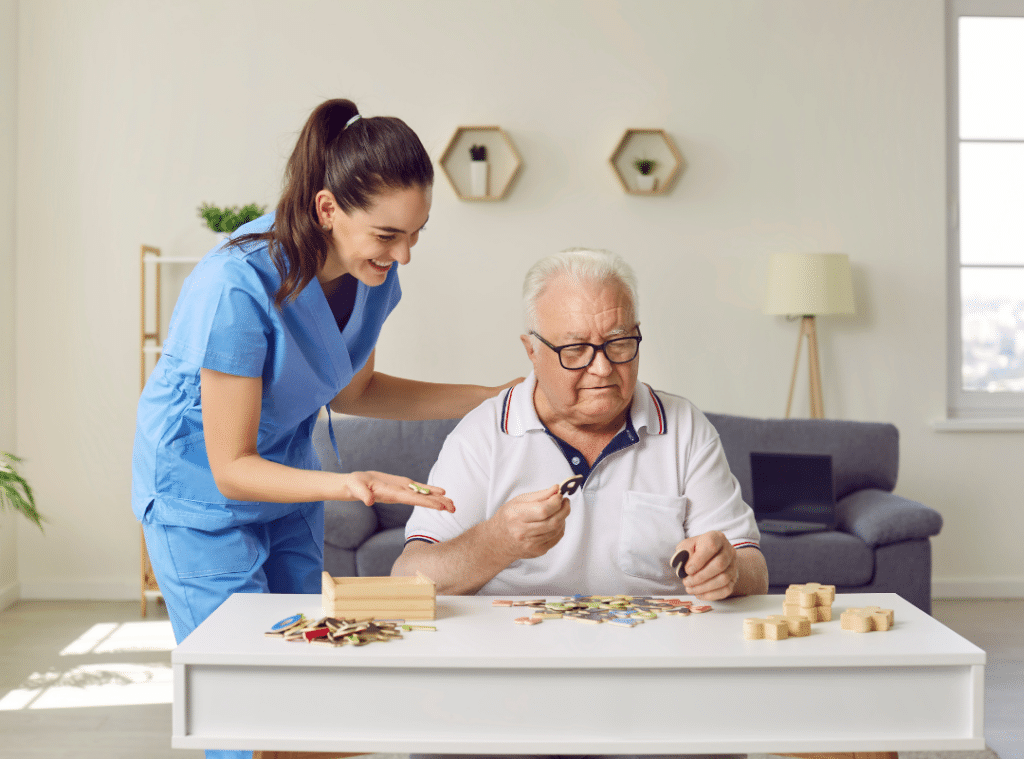
Wellness Visits for Seniors: Tailored Care
July 12, 2025
As we age, our healthcare needs shift. Annual wellness visits become even more essential for older adults, offering an opportunity to focus on preventive care, manage chronic conditions, and maintain quality of life. These visits are designed to go beyond routine checkups—they provide seniors with a personalized health roadmap.
Tailored wellness exams help identify age-related risks early and ensure that care plans evolve alongside changing health needs. For seniors, the goal isn’t just detecting illness, but staying active, independent, and informed about their long-term well-being.
Why seniors benefit from annual wellness visits
Older adults are more likely to experience chronic illnesses, medication complications, and age-related functional decline. Wellness visits are structured to catch these shifts before they disrupt daily living.
Key benefits of annual visits for seniors include:
- Monitoring blood pressure, cholesterol, and blood sugar
- Reviewing medications and identifying interactions
- Assessing fall risk, cognitive health, and memory changes
- Updating preventive screenings (e.g., bone density, colorectal cancer, vision)
- Planning for vaccinations, mobility support, and nutrition
These visits also allow time to revisit long-term care preferences, goals of care, and advance directives if necessary.
Personalized screenings and assessments
Wellness visits for seniors aren’t one-size-fits-all. Screenings are tailored to individual risk factors, family history, and personal health trends. For example, a patient with diabetes and high blood pressure may require closer cardiovascular monitoring than someone with a clean bill of health.
Common personalized screenings include:
- Cognitive assessment for memory, focus, and early dementia
- Depression and mood evaluations
- Hearing and vision testing
- Mobility and balance screening
- Nutritional risk review
Many providers also incorporate a functional status assessment, which examines how well a senior can perform daily tasks such as dressing, cooking, or walking unaided.
“A wellness visit is not about fixing problems after they occur. It’s about recognizing trends and adjusting care before a crisis happens.”
— Geriatric Nurse Practitioner
Medication reviews and risk reduction
Polypharmacy—taking multiple prescriptions—is common among seniors, and wellness visits are the right time to reevaluate medication safety. Your provider will look for outdated prescriptions, duplications, or side effects that could be causing fatigue, dizziness, or confusion.
In addition, fall risk is often reassessed during these visits. Seniors may be referred for physical therapy, vitamin D supplementation, or changes in home setup to reduce the chance of injury. For those with osteoporosis, follow-ups for bone health can be prioritized.
Mental and emotional health in aging
Senior wellness care isn’t just physical. Mental and emotional well-being is a central focus during these visits. Seniors are screened for depression, anxiety, and isolation, which are more common in older age due to lifestyle changes, grief, or declining health.
If a senior is a caregiver, has lost a spouse, or is adjusting to retirement, these visits can offer a safe place to discuss emotional stress and connect with resources. Support is often extended through social services, counseling referrals, or group programs.
Planning for what matters most
Wellness visits for seniors also include space for conversations around long-term goals and care preferences. This may involve advance care planning, reviewing healthcare proxies, or discussing home care versus assisted living.
These topics are often difficult to address during urgent appointments, but annual visits provide the right environment for meaningful, proactive conversations about the future.
Stat highlight:
According to the National Council on Aging, seniors who attend yearly wellness visits are 40% more likely to stay current on recommended preventive services, improving outcomes and lowering healthcare costs over time.
Takeaway
For seniors, wellness visits are more than just a yearly obligation—they’re an essential opportunity to stay ahead of health changes. These appointments help maintain independence, prevent decline, and support aging with dignity and awareness. Tailored care, ongoing communication, and thoughtful planning are at the heart of what makes these visits so valuable.



















