
X-rays have been a trusted diagnostic tool in medicine for over a century. Yet despite their widespread use, myths about their safety continue to circulate. Some patients delay or avoid necessary tests because of outdated …
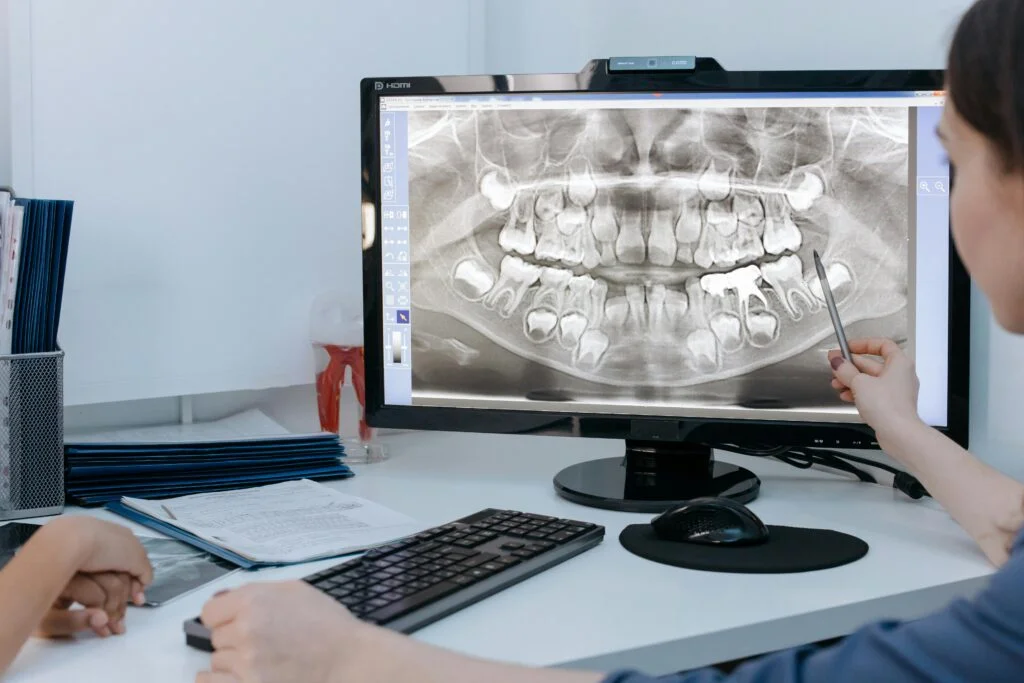
X‑Ray Safety Myths—Debunked
July 12, 2025
X-rays have been a trusted diagnostic tool in medicine for over a century. Yet despite their widespread use, myths about their safety continue to circulate. Some patients delay or avoid necessary tests because of outdated fears about radiation or long-term risks.
This post breaks down common misconceptions about X-ray safety and provides evidence-based facts to help patients make informed decisions about their care.
Myth 1: All radiation exposure is dangerous
Radiation is often associated with nuclear energy or high-risk environments, but the reality is that radiation is part of everyday life. People are exposed to background radiation daily from natural sources like the sun, soil, and even certain foods.
A single X-ray delivers a very small dose of radiation—typically measured in millisieverts (mSv). For comparison:
- A chest X-ray exposes you to about 0.1 mSv
- Annual background radiation in the U.S. is around 3 mSv
- A cross-country flight exposes you to about 0.03–0.05 mSv
When medically necessary, the small amount of radiation from an X-ray is far outweighed by the diagnostic benefit it provides.
Myth 2: X-rays can cause cancer after one exposure
The idea that a single X-ray can lead to cancer is not supported by medical evidence. While it’s true that high doses of radiation over time can increase cancer risk, the levels used in diagnostic imaging are far below harmful thresholds.
Modern X-ray equipment is highly regulated and designed to use the lowest dose possible to get a clear image. For most patients, the risk of not diagnosing a serious condition is far greater than the minimal risk of exposure.
Myth 3: X-rays are unsafe during pregnancy
Pregnancy does require special care when it comes to imaging, but X-rays are not automatically unsafe. The level of risk depends on the type of X-ray, the body part being imaged, and how far along the pregnancy is.
For example:
- Dental and extremity X-rays are generally considered safe during pregnancy
- Abdominal or pelvic X-rays are used only when absolutely necessary, often with additional shielding
In all cases, providers take extra precautions to protect both the patient and the developing baby. Letting your doctor know about a possible or confirmed pregnancy ensures the safest approach is taken.
Myth 4: X-ray machines give off radiation all the time
Another common misconception is that X-ray machines emit radiation continuously. In reality, they only produce radiation during the split second when the image is being taken.
Between uses, X-ray machines are completely inactive and do not emit any radiation at all. This design minimizes exposure not only for patients, but also for medical staff who operate the equipment.
Myth 5: There’s no way to reduce X-ray exposure
Patients often worry about cumulative radiation exposure, especially if they’ve had multiple imaging tests over the years. Fortunately, modern practices prioritize minimizing dose whenever possible.
Steps taken to reduce exposure include:
- Using digital imaging instead of traditional film
- Employing lead shields to protect other parts of the body
- Adjusting machine settings based on the patient’s size and exam type
- Ordering X-rays only when medically appropriate
Medical professionals are trained to follow strict safety protocols to ensure every test is justified and optimized for low exposure.
Myth 6: Alternative imaging methods are always safer
Some patients believe they should avoid X-rays in favor of alternatives like MRI or ultrasound. While these other imaging options don’t involve radiation, they’re not always better or more appropriate.
Each test serves a different purpose:
- X-rays are best for evaluating bones, chest issues, and detecting fractures
- Ultrasound is useful for soft tissues and pregnancy monitoring
- MRI provides detailed images of organs, joints, and the brain
Your provider selects the test that gives the best diagnostic value with the least risk. Avoiding X-rays when they are the most effective tool can delay diagnosis or result in less accurate results.
Myth 7: Children should never have X-rays
X-ray imaging is safe for children when performed correctly and for the right reasons. Pediatric patients are more sensitive to radiation, but modern pediatric radiology uses specialized techniques to minimize dose and protect growing bodies.
Children may need X-rays for:
- Suspected fractures or sprains
- Chest infections
- Developmental conditions
- Dental evaluations
Pediatric providers use adjusted settings and protective measures to ensure children receive only the necessary amount of exposure.
Myth 8: You should avoid X-rays if you’re healthy
Some people assume that if they feel fine, they should avoid imaging altogether. But X-rays are not just used to confirm obvious problems—they’re also helpful in routine screenings, pre-surgical evaluations, or monitoring known conditions.
In certain cases, early changes in the body may only be visible on an image before symptoms arise. When used appropriately, X-rays support preventive care and timely intervention.
Takeaway
Many fears about X-ray safety are based on misunderstandings or outdated information. Modern imaging technology is carefully regulated and designed to deliver minimal radiation while providing critical insights into your health. When your provider recommends an X-ray, it’s because the benefits clearly outweigh the risks. Understanding the facts can help you feel more confident and comfortable with your care.



















