
Unexpected health issues while traveling can turn an exciting trip into a stressful experience. Whether it's a scraped knee on a hike, a sudden headache during a long flight, or an upset stomach from unfamiliar …
Traveler’s First Aid Kit: What to Include
July 12, 2025
Unexpected health issues while traveling can turn an exciting trip into a stressful experience. Whether it’s a scraped knee on a hike, a sudden headache during a long flight, or an upset stomach from unfamiliar food, a well-stocked first aid kit can provide quick relief and avoid unnecessary medical visits.
Preparing your own kit tailored to your destination, activities, and health needs ensures you’re ready for minor medical situations on the go. Here’s how to build a travel-ready first aid kit that balances essentials with practicality.
Start with core first aid supplies
Every travel first aid kit should begin with a solid foundation of general wound care and injury supplies. These help you manage cuts, scrapes, blisters, and minor accidents that can happen during everyday travel or outdoor excursions.
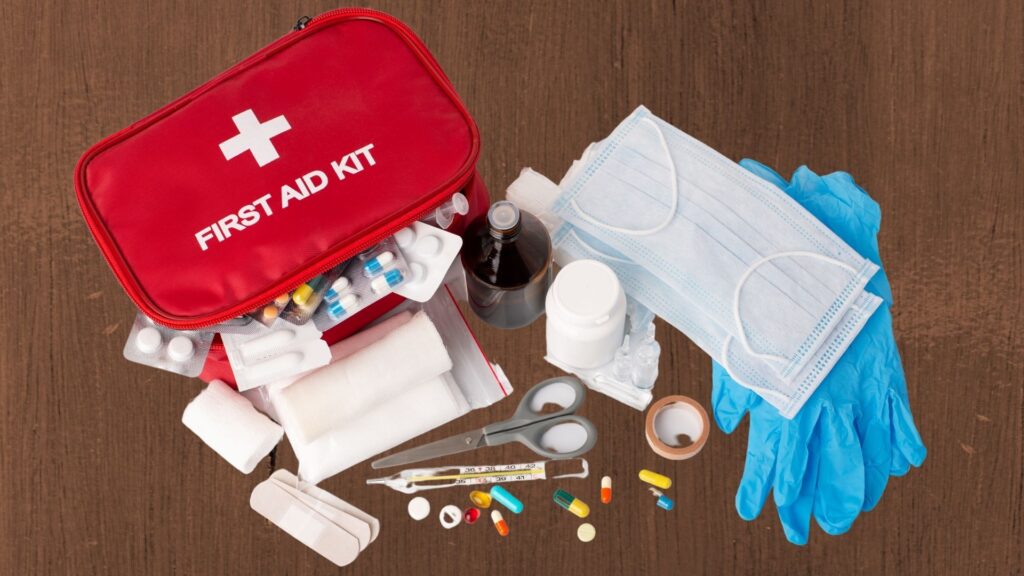
Basic essentials include:
- Adhesive bandages (various sizes)
- Sterile gauze pads and medical tape
- Antiseptic wipes or solution
- Tweezers and small scissors
- Antibacterial ointment (like bacitracin)
- Cotton swabs or balls
- Thermometer (digital or disposable)
- Pair of non-latex gloves
- Burn cream or aloe gel
Make sure the items are individually sealed and sterile. Replace expired items before each trip.
Include over-the-counter medications
Common discomforts like headaches, motion sickness, digestive upset, or allergy flare-ups can ruin a trip. Having the right medications on hand allows you to address symptoms quickly, especially in areas where pharmacies may be limited or unfamiliar.
Recommended travel medications:
- Pain relievers (acetaminophen, ibuprofen)
- Antihistamines (for allergies, insect bites, or runny nose)
- Antacids or anti-gas tablets
- Anti-diarrheal medication (loperamide)
- Oral rehydration salts or electrolyte packets
- Motion sickness tablets (meclizine or dimenhydrinate)
- Cold or flu symptom relievers
- Cough drops or throat lozenges
- Sleep aid (if adjusting to time zones)
Choose brands and dosages your body is used to—trying new medications mid-trip can sometimes worsen symptoms.
Customize for your destination
Your first aid kit should reflect your itinerary. Destinations with tropical climates, remote locations, or higher altitude may require additional items to address local risks.
Destination-based items to consider:
- Insect repellent and anti-itch cream
- Sunscreen (SPF 30 or higher) and lip balm
- Water purification tablets or filter
- Altitude sickness medication
- Cooling packs for heat exposure
- Ice or heat packs (disposable)
- Snake bite or marine sting relief kits (if traveling to high-risk zones)
Research common health concerns in your destination country and pack accordingly.
Don’t forget prescription medications
If you or a family member take daily or as-needed prescription medications, organize these with care. Running out or misplacing your prescription abroad can cause serious disruptions to your health.
Tips for managing prescriptions while traveling:
- Bring enough for your full trip, plus extra days in case of delays
- Pack original prescription bottles with labels
- Keep a copy of your prescriptions, including generic names
- Carry a doctor’s letter if you’re bringing injectables or controlled substances
- Store medications in your carry-on, not in checked baggage
You may also want to include backup supplies for chronic conditions—like an extra inhaler, insulin pen, or blood glucose strips.
Emergency tools and documentation
In addition to treating minor issues, your kit should be prepared to help in more serious situations until proper medical care is reached. Key tools and documents improve your readiness for emergencies.
Items to include:
- Emergency contact card (with local and home contacts)
- Basic first aid manual or quick-reference card
- CPR face shield or mask
- Flashlight or headlamp
- Whistle for drawing attention in outdoor areas
- Small notebook and pen for recording symptoms or medical instructions
Having a compact emergency checklist in your kit can also reduce confusion during high-stress moments.
Travel-specific hygiene and protection
Maintaining hygiene while traveling helps prevent common infections, especially in areas with limited sanitation or unpredictable weather.
Helpful hygiene additions:
- Hand sanitizer (travel-size, alcohol-based)
- Tissues or travel toilet paper
- Antifungal cream or powder (for feet and skin)
- Disposable face masks
- Travel-size soap or wipes
- Nail clippers and file (for avoiding small skin tears)
These small items can prevent infections and help you feel more comfortable on the road.
Pack smart: portability and organization
Your travel first aid kit doesn’t need to be large—it just needs to be organized and accessible. Choose a soft, zippered pouch or small case with compartments to keep items secure and easy to find.
Packing tips:
- Group similar items (wound care, medications, tools)
- Use resealable plastic bags to keep items dry and visible
- Label your kit and restock it after each trip
- Store it in a place that’s easy to grab during travel, like a carry-on or daypack
You can also create a separate mini version for day excursions if your main kit is stored in luggage.
Special considerations for children
If traveling with kids, include pediatric versions of medications and tools sized for smaller injuries. A child-specific thermometer, liquid medication dosing tools, and comfort items (like cooling gel packs or stickers) can make care easier on the go.
Be mindful of:
- Child-safe doses and formulas
- Special allergy needs
- Oral rehydration and fever reducers for young children
- Teething remedies for infants
Confirm with your pediatrician before giving any new medication while away from home.
Takeaway
A thoughtfully packed travel first aid kit can make a major difference in how smoothly your trip goes. While no kit replaces professional medical care, being prepared for minor issues gives you greater independence and peace of mind. Whether you’re heading to a city or an off-the-grid adventure, your personal kit should reflect the health needs and risks unique to your journey.



















