
Hormones control nearly every major function in the body—from metabolism and mood to reproductive health and sleep. When these chemical messengers are out of balance, the effects can be felt in both obvious and subtle …
Lab Testing for Hormone Imbalances
July 12, 2025
Hormones control nearly every major function in the body—from metabolism and mood to reproductive health and sleep. When these chemical messengers are out of balance, the effects can be felt in both obvious and subtle ways. Fatigue, weight gain, anxiety, irregular cycles, and low libido are just a few signs that hormone levels may need to be tested.
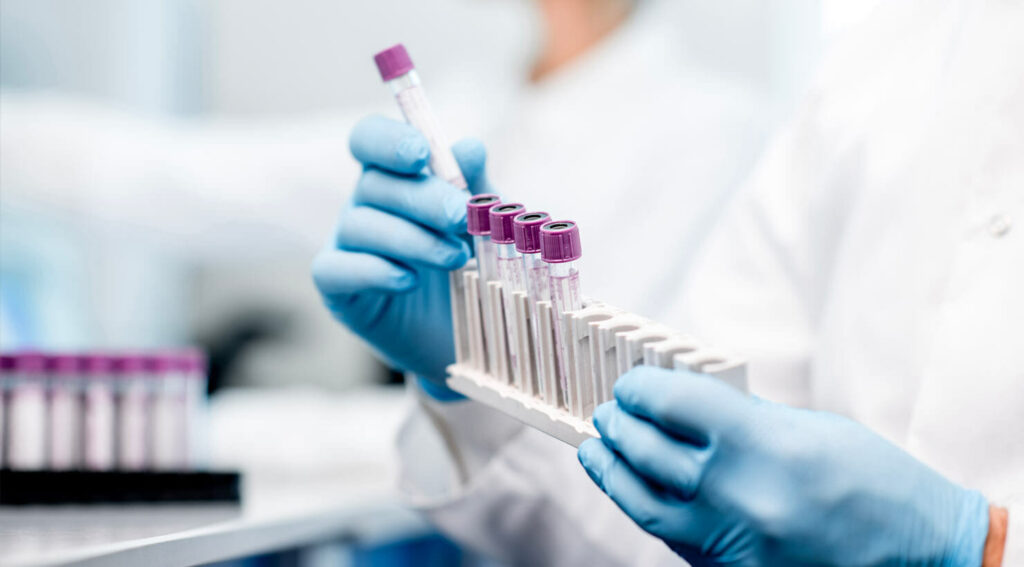
Lab testing is the most reliable way to uncover hormone imbalances. Whether symptoms are mild or disruptive, these tests provide a clearer picture of what’s happening inside your body and help guide appropriate treatment.
Common signs of hormone imbalance
Hormonal shifts can occur naturally with age, stress, illness, or lifestyle changes. In some cases, the imbalance is due to an underlying medical condition. Recognizing the symptoms is a key step toward getting tested.
Some of the most common symptoms linked to hormone issues include:
- Unexplained fatigue or energy crashes
- Weight gain, especially around the midsection
- Difficulty sleeping or frequent waking
- Mood swings, anxiety, or depression
- Hair thinning or changes in skin texture
- Irregular menstrual cycles or missed periods
- Hot flashes or night sweats
- Low sex drive
- Brain fog or memory lapses
Because these symptoms overlap with other health issues, lab testing helps confirm whether hormones are the cause.
Key hormones to test
Hormone lab panels vary depending on symptoms, age, and gender. In general, there are several core hormones commonly evaluated in both men and women.
1. Thyroid hormones
The thyroid plays a major role in energy, metabolism, and mood regulation. Even slight imbalances can cause noticeable symptoms.
- TSH (Thyroid Stimulating Hormone)
- Free T4 (Thyroxine)
- Free T3 (Triiodothyronine)
- Reverse T3 and thyroid antibodies (when autoimmune thyroid disease is suspected)
2. Sex hormones
These regulate reproductive function, muscle tone, mood, and libido. Fluctuations are common during perimenopause, menopause, and andropause (male hormone decline).
In women:
- Estrogen (Estradiol)
- Progesterone
- Follicle-stimulating hormone (FSH)
- Luteinizing hormone (LH)
- Testosterone (free and total)
In men:
- Testosterone (free and total)
- Sex Hormone Binding Globulin (SHBG)
- Estradiol (to evaluate estrogen conversion)
3. Adrenal hormones
Produced by the adrenal glands, these hormones manage the stress response and influence blood pressure, sleep, and blood sugar.
- Cortisol (often tested in the morning)
- DHEA-S (dehydroepiandrosterone sulfate)
Testing cortisol multiple times in one day may be recommended for people with chronic fatigue or sleep disruption.
4. Insulin and blood sugar markers
Hormonal imbalance is often tied to insulin resistance, especially in people with weight gain, fatigue, or PCOS (polycystic ovary syndrome).
- Fasting insulin
- Glucose
- Hemoglobin A1c
These tests can uncover subtle issues with blood sugar regulation that may worsen hormone function.
Choosing the right timing for testing
Some hormones fluctuate throughout the day or month, so timing matters. For accurate results, providers may recommend testing during specific times:
- Female hormone panels are often timed to certain days of the menstrual cycle, usually days 3–5 (for FSH/LH) or days 19–21 (for progesterone)
- Cortisol should be tested first thing in the morning, when levels are naturally highest
- Fasting labs are often required for insulin, glucose, and testosterone to avoid skewed results
Clear communication with your provider ensures proper test scheduling and interpretation.
How hormone labs support diagnosis
Lab tests not only confirm hormone imbalances—they help identify the root cause. For example:
- A low TSH with high Free T4 suggests hyperthyroidism
- Low progesterone and high estrogen may explain cycle irregularity
- Low testosterone in men may explain fatigue and mood changes
- Elevated FSH in women can signal menopause or ovarian decline
- High cortisol could explain anxiety or sleep disruption
- Low DHEA-S might indicate adrenal fatigue or age-related decline
These values help build a diagnostic picture that includes symptoms, health history, and physical exam findings.
Monitoring treatment and progress
Once hormone therapy or lifestyle changes begin, lab testing plays a key role in monitoring progress. Repeat panels may be done every 3 to 6 months to adjust dosages and ensure the body is responding well to treatment.
Some patients begin to feel better before numbers change significantly, while others may show lab improvements before symptoms resolve. Tracking both is essential for safe, effective care.
Integrating lab data with full health picture
Hormones don’t work in isolation. Nutrient levels, gut health, sleep, and stress all influence hormone production and balance. That’s why hormone testing is often done alongside:
- Vitamin D
- Iron and ferritin
- B12 and folate
- Inflammatory markers (like CRP)
- Liver and kidney function panels
Together, these labs offer a more complete understanding of how the body is functioning and where support is needed.
Takeaway
Lab testing is the gold standard for diagnosing hormone imbalances. Whether you’re managing fatigue, mood changes, cycle issues, or weight fluctuations, checking key hormone levels brings clarity and direction. With the right testing and timing, providers can pinpoint the source of imbalance and build a targeted plan for support. Staying informed about your hormone health is a powerful step toward feeling your best.



















