Accidents happen—whether it’s a slip in the kitchen, a fall during a hike, or a mishap with tools or glass. Minor cuts and lacerations are common injuries, but determining whether a wound needs stitches can …
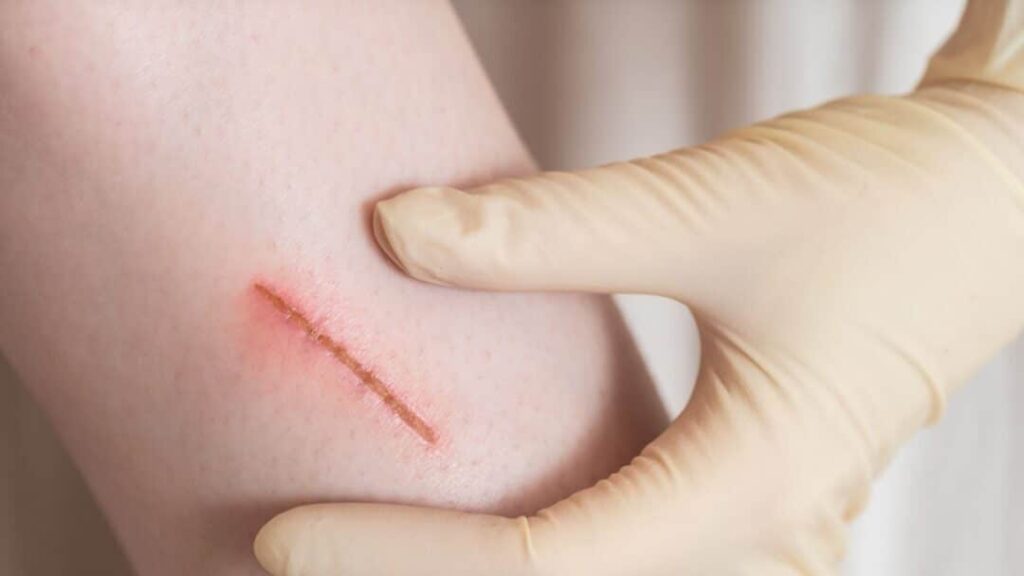
Minor Cuts and Lacerations: Do You Need Stitches?
June 5, 2025
Accidents happen—whether it’s a slip in the kitchen, a fall during a hike, or a mishap with tools or glass. Minor cuts and lacerations are common injuries, but determining whether a wound needs stitches can be tricky. While many small cuts can be treated at home, others may require prompt medical attention to prevent infection, minimize scarring, and promote proper healing.
Knowing when to seek care is key, and urgent care centers are well-equipped to treat these injuries quickly and effectively.
What’s the Difference Between a Cut and a Laceration?
While often used interchangeably, “cut” is a general term for a break in the skin, and “laceration” refers to a more serious or jagged wound, often caused by trauma from sharp objects like glass, metal, or tools. Lacerations may involve deeper tissue and can vary widely in size and depth.
When a Cut or Laceration Might Need Stitches
Here are signs that a wound likely needs stitches or other medical closure methods (such as skin glue or adhesive strips):
- The cut is deep (more than 1/4 inch)
- Edges of the wound are gaping open or won’t stay closed
- Bleeding doesn’t stop after 10 minutes of firm pressure
- The wound is on the face, hands, or joints (where movement or appearance is a concern)
- You can see fat, muscle, or bone
- It’s a puncture wound from a dirty or rusty object
- The injury occurred from an animal or human bite
- There’s debris, glass, or dirt you can’t remove
If any of these signs are present, it’s important to seek medical attention quickly.
How Urgent Care Can Help
Urgent care centers are a great option for evaluating and treating minor cuts and lacerations. Providers can clean the wound thoroughly, assess the need for stitches, and apply the appropriate treatment. Most importantly, they help reduce the risk of infection and minimize scarring.
In many cases, urgent care can also provide:
- Tetanus shots, if your vaccination isn’t current
- Antibiotics, if there’s a high risk of infection
- Wound dressing and aftercare instructions
- Follow-up care to ensure proper healing
Urgent care offers quick service without the long wait times and high costs of the emergency room, making it ideal for non-life-threatening wounds.
Caring for Minor Cuts at Home
If a cut is small and doesn’t meet any of the above criteria, you can likely treat it at home. Here’s how:
- Stop the bleeding: Apply gentle pressure with a clean cloth or bandage.
- Clean the wound: Rinse under cool water and use mild soap to wash the area. Avoid hydrogen peroxide or alcohol, which can damage healthy tissue.
- Apply an antibiotic ointment: This helps prevent infection.
- Cover the wound: Use a sterile bandage and change it daily or whenever it gets wet or dirty.
- Watch for infection: Look out for redness, swelling, warmth, pus, or increased pain.
If you notice signs of infection, or if healing isn’t progressing after a few days, seek medical help.
Preventing Complications
Proper wound care is essential to avoid complications like infection or poor healing. Even small cuts can become problematic if not cleaned and treated correctly. Pay attention to how your body responds, and don’t hesitate to seek professional care if you’re unsure.
For quick and professional wound care, call 305-344-CARE (2273). Our experienced urgent care team can assess your injury, provide stitches if necessary, and ensure you’re on the road to recovery—safely and comfortably.
beach medical helpbeachside medical clinicdehydration treatment Miamiemergency clinic Miami BeachER alternative Miamifast care South Floridafood poisoning clinicheat exhaustion Miami Beachjet lag recovery IVkid-friendly urgent careMiami Beach health tipsMiami Beach local doctorMiami nightlife recoveryquick STD testing Miamiquick X-rays MiamiSouth Beach flu seasonsports injury Miami Beachsunburn treatment Miamiurgent care for travelerswound care clinic