When it comes to treating burns at home, bad advice can cause more harm than good. From old wives’ tales to social media misinformation, many common burn remedies actually delay healing—or even increase the risk …
Common Burn Myths That Make Things Worse
July 2, 2025
When it comes to treating burns at home, bad advice can cause more harm than good. From old wives’ tales to social media misinformation, many common burn remedies actually delay healing—or even increase the risk of infection. Understanding the difference between myth and medically sound treatment is key to recovering safely.
Here are the most common burn myths people believe—and what you should do instead.
Step-by-Step: What Not to Do (and the Right Approach Instead)
- ❌ Myth: Put Butter or Oil on a Burn
Why it’s wrong: Greasy substances trap heat in the skin, which can worsen the burn.
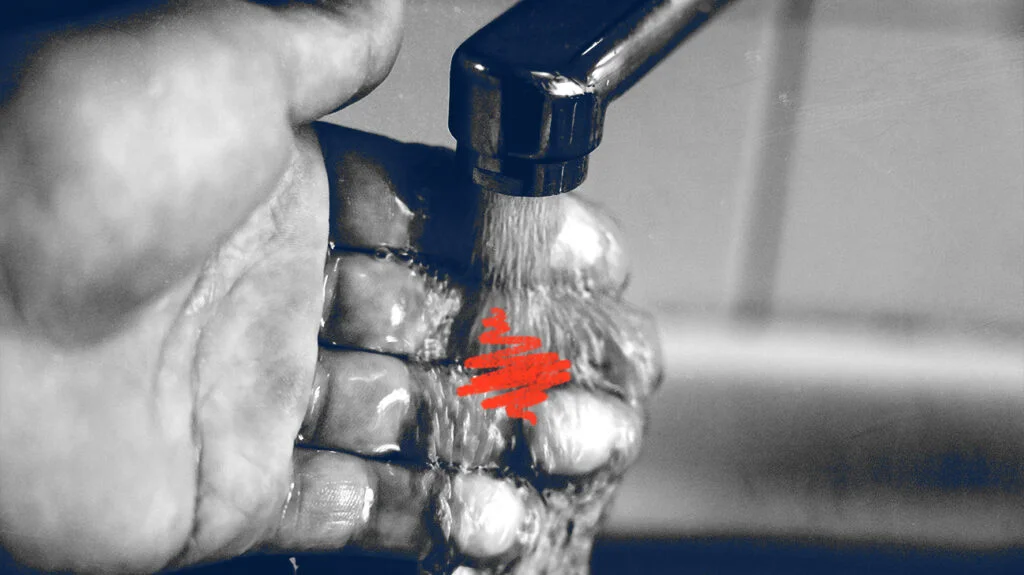
✅ Do this instead: Immediately run cool water over the burn for 10–15 minutes. - ❌ Myth: Ice Helps Burns Heal Faster
Why it’s wrong: Ice is too harsh for damaged skin and can lead to frostbite-like injury.
✅ Do this instead: Use cool (not cold) water or a damp compress to soothe the area. - ❌ Myth: Pop Any Blisters That Form
Why it’s wrong: Blisters protect underlying tissue from infection. Breaking them can introduce bacteria.
✅ Do this instead: Leave blisters intact and cover gently with a sterile, non-stick bandage if needed. - ❌ Myth: If It Doesn’t Hurt, It’s Not Bad
Why it’s wrong: Deep second- or third-degree burns may damage nerves, resulting in little or no pain.
✅ Do this instead: Assess the burn’s appearance—if it’s white, leathery, or charred, seek immediate care. - ❌ Myth: Toothpaste Cools Burns
Why it’s wrong: Toothpaste ingredients aren’t sterile and can irritate or contaminate the wound.
✅ Do this instead: Stick with clean, cool water and apply aloe vera or a recommended burn cream. - ❌ Myth: All Burns Should Be Left Open to Air
Why it’s wrong: While some minor burns can be uncovered, most benefit from clean dressings that prevent infection.
✅ Do this instead: Use sterile gauze or non-stick bandages if the burn is in an area prone to friction or contamination.
What to Watch Out For
Whether a burn seems minor or not, visit urgent care if:
- Blisters are large or break open
- The burn affects the face, hands, feet, groin, or a major joint
- There’s increasing redness, swelling, or pus
- The pain worsens after a day or two
- The burn is larger than 3 inches in diameter
- You haven’t had a tetanus shot in 5 years
- There’s any sign of fever, chills, or confusion
Even well-meaning home remedies can delay healing or mask infection symptoms. When in doubt, get it checked.
Helpful Tips & Bonus Advice
- ✅ Tip: Keep burn ointments in your kitchen and bathroom – Aloe vera or hydrogel creams are ideal for immediate relief.
- ✅ Tip: If clothes stick to the burn, don’t pull them off – Soak with cool water and seek medical help.
- ✅ Tip: Review your first aid supplies annually – Expired products may lose effectiveness or become unsafe.
- ❌ Myth: Natural = Safe – Many natural remedies (like essential oils) can irritate sensitive burned skin.
If symptoms get worse or don’t improve, visit your local urgent care provider for professional evaluation.
Hey Did You Know We Have an IV Therapy Spa Inside? Check out our drip menu!