
Sore muscles are common after physical activity, minor injuries, or even just sleeping in an awkward position. Knowing whether to apply ice or heat can make a big difference in how quickly you recover and …
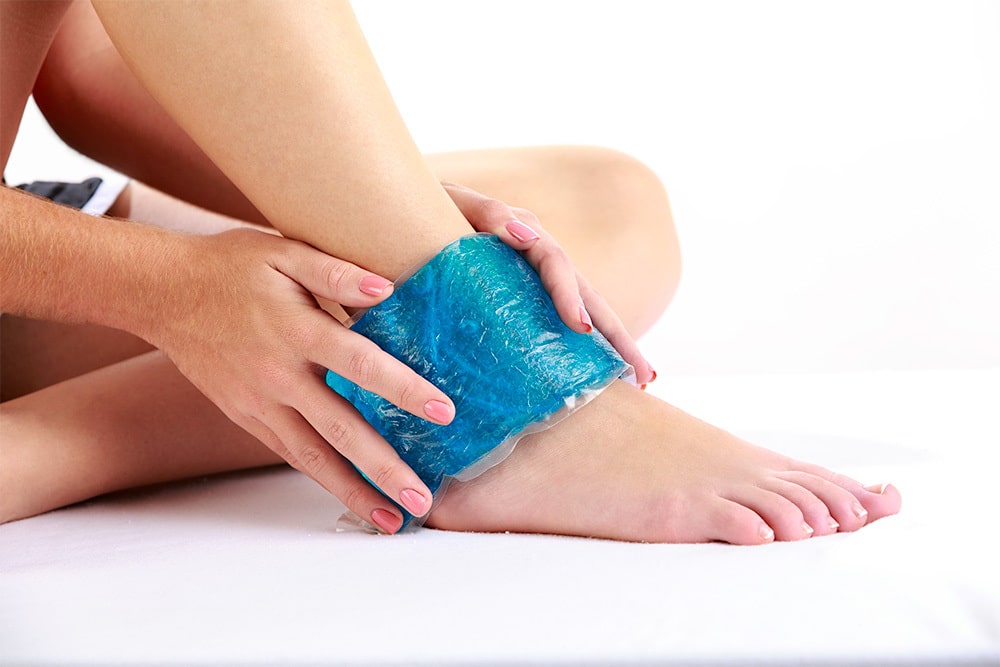
When to Ice or Heat a Sore Muscle: A Simple Rule to Remember
July 3, 2025
Sore muscles are common after physical activity, minor injuries, or even just sleeping in an awkward position. Knowing whether to apply ice or heat can make a big difference in how quickly you recover and how much discomfort you feel. Applying the wrong treatment at the wrong time can delay healing—or even make things worse. Here’s a simple, effective way to treat sore muscles at home and know when it’s time to seek professional help.
What Causes Muscle Soreness?
Muscle soreness usually falls into two categories:
Acute soreness happens immediately after overuse or injury, like a sudden strain.
Delayed onset muscle soreness (DOMS) appears hours or even a day after unfamiliar or intense activity.
Each type may require a different approach when it comes to using ice or heat.
Home Remedy: When to Use Ice vs. Heat
Here’s a simple rule of thumb: Ice for inflammation and swelling. Heat for stiffness and tension.
1. 🧊 Use Ice (Cold Therapy) for:
- Recent muscle strains (within the first 48 hours)
- Swelling or inflammation
- Bruised or tender muscles
- Sharp, sudden pain after exertion
How to apply ice:
- Wrap a cold pack or bag of frozen peas in a towel
- Apply for 15–20 minutes every 2–3 hours
- Never place ice directly on the skin
When it works best:
Right after the injury or strain to reduce blood flow, swelling, and pain.
2. 🔥 Use Heat (Warm Therapy) for:
- Ongoing soreness or muscle stiffness
- Tight muscles or tension from stress
- Recovery from workouts (after the first 48 hours)
- Old injuries with lingering discomfort
How to apply heat:
- Use a heating pad, warm towel, or hot water bottle
- Apply for 15–20 minutes at a time
- Make sure it feels warm—not hot—to avoid burns
When it works best:
After swelling has gone down or when muscles feel tight and achy.
What to Watch Out For: When to Seek Medical Help
While most muscle soreness resolves on its own, some symptoms require professional attention. Call urgent care if you notice:
- Severe pain that doesn’t improve with rest or home care
- Swelling that increases after 48 hours
- Numbness, tingling, or weakness in the area
- Inability to move or bear weight
- Redness, warmth, or fever (possible infection)
- A popping sound or feeling at the time of injury
Common Mistakes to Avoid
- ❌ Using heat too soon: Applying heat immediately after an injury can increase swelling
- ❌ Icing for too long: Prolonged cold exposure can damage skin and nerves
- ❌ Ignoring rest: Pushing through pain can worsen the issue
- ❌ Skipping hydration: Muscles heal better when you’re properly hydrated
Bonus Tips for Faster Muscle Relief
- Drink plenty of water to flush out toxins and reduce soreness
- Gentle stretching helps improve flexibility and reduce tightness
- Massage therapy or foam rolling can improve blood flow
- Magnesium-rich foods (like bananas, spinach) may help muscle function
If symptoms get worse or don’t improve, visit your local urgent care provider for professional evaluation.
Hey Did You Know We Have an IV Therapy Spa Inside? Check out our drip menu!



















