
Bruises—those dark purple, blue, or yellow marks—are a sign of minor bleeding under the skin after a bump or injury. While they usually fade on their own, adding the right nutrients to your diet can …
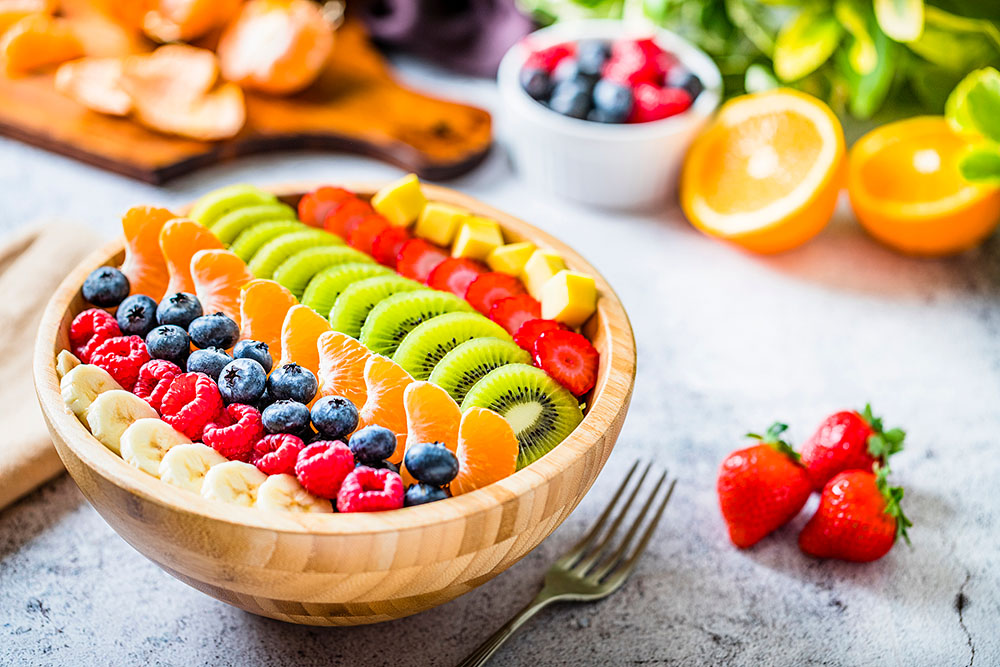
What to Eat to Help Bruises Heal Faster
July 3, 2025
Bruises—those dark purple, blue, or yellow marks—are a sign of minor bleeding under the skin after a bump or injury. While they usually fade on their own, adding the right nutrients to your diet can speed up the healing process and strengthen your body’s ability to recover from minor trauma. If you’re tired of watching bruises linger, here’s what to eat to help them go away faster—and when a bruise might need medical attention.
Why Nutrition Matters for Bruise Recovery
A bruise occurs when small blood vessels (capillaries) break and leak into the surrounding tissue. Your body responds by reabsorbing the blood over time, but this process requires strong blood vessels, healthy skin, and good circulation. Certain vitamins and minerals are essential to tissue repair and blood clotting—two key components of healing.
What to Eat to Heal Bruises Faster
Here’s a breakdown of the best nutrients for bruise recovery and the foods that contain them:
1. 🥦 Vitamin K
Why it helps: Crucial for blood clotting and healing damaged vessels
Top foods:
- Leafy greens (kale, spinach, Swiss chard)
- Broccoli and Brussels sprouts
- Green beans
2. 🍊 Vitamin C
Why it helps: Supports collagen production for skin strength and helps reduce inflammation
Top foods:
- Oranges, strawberries, and kiwi
- Bell peppers, tomatoes, and broccoli
- Citrus juices
3. 🐟 Protein
Why it helps: Needed for cell repair and rebuilding tissue
Top foods:
- Eggs, poultry, fish, and lean meat
- Tofu, beans, and legumes
- Greek yogurt
4. 🍌 Potassium
Why it helps: Supports circulation and reduces fluid retention around the bruise
Top foods:
- Bananas, sweet potatoes, avocados
- Leafy greens and tomatoes
- Beans and lentils
5. 🥜 Zinc
Why it helps: Helps with wound healing and immune function
Top foods:
- Nuts and seeds
- Chickpeas and whole grains
- Shellfish
6. 💧 Water
Why it helps: Keeps tissues hydrated and helps flush out waste from injured areas
Tip: Drink 8+ glasses a day, especially if bruising follows intense activity or injury
What to Avoid During Bruise Recovery
Some foods and habits may slow healing or worsen bruising:
- ❌ Alcohol: Thins the blood and slows circulation
- ❌ Excessive caffeine: Can reduce blood flow to the skin
- ❌ Very salty foods: May increase fluid retention and swelling
- ❌ Smoking: Reduces oxygen supply to tissues, delaying recovery
When to Seek Medical Help for a Bruise
Most bruises go away within 1–2 weeks. But call urgent care if you notice:
- Bruises that appear without a known cause
- Very large or painful bruises
- Bruising with swelling or a lump
- Bruises that don’t fade after two weeks
- Easy bruising along with bleeding gums or frequent nosebleeds
These could be signs of an underlying health issue, vitamin deficiency, or reaction to medications like blood thinners.
Extra Tips to Heal Bruises Faster
- Apply cold compresses for the first 24–48 hours after the injury
- Elevate the bruised area if possible
- After swelling decreases, use warm compresses to improve circulation
- Gently massage around (not on) the bruise to promote healing
If symptoms get worse or don’t improve, visit your local urgent care provider for professional evaluation.
Hey Did You Know We Have an IV Therapy Spa Inside? Check out our drip menu!
bruise carebruise healingcirculation tipsdark bruisesfoods that help bruiseshome remedies for bruiseshydration tipsimmune supportnatural remediesnutrition for healingpotassium-rich foodsprotein for recoveryswelling relieftissue repairurgent care advicevitamin C foodsvitamin Kwhen to seek carezinc benefits



















