Most spider bites are harmless, causing mild redness, itching, or swelling that goes away in a few days. But some spiders can inject venom that causes more serious symptoms, and certain bites may become infected …
When to Worry About a Spider Bite
July 3, 2025
Most spider bites are harmless, causing mild redness, itching, or swelling that goes away in a few days. But some spiders can inject venom that causes more serious symptoms, and certain bites may become infected or trigger allergic reactions. If you’ve been bitten and aren’t sure what to expect, here’s how to tell when a spider bite is something to watch—and when it’s time to seek medical care.
Common Reactions to a Spider Bite
For most people, a typical spider bite may look and feel like:
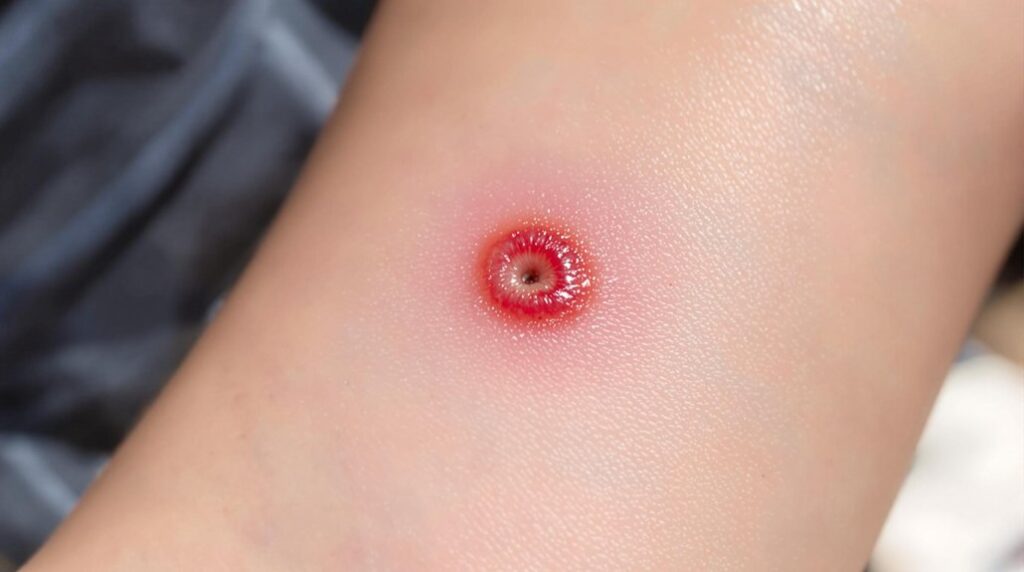
- A small red bump, sometimes with a white center
- Mild swelling and tenderness
- Itching or warmth
- Localized irritation that fades within 3–7 days
These types of bites can usually be treated at home using basic first aid like cleaning the area, applying a cold compress, and using an over-the-counter antihistamine or hydrocortisone cream.
When a Spider Bite May Be More Serious
Certain spiders—such as the brown recluse and black widow—can cause venomous bites that require prompt medical attention. While bites from these spiders are rare, it’s important to know what symptoms to look for.
Warning Signs That a Spider Bite Needs Medical Attention:
1. Severe Pain or Cramping
- Pain that increases after the first few hours may suggest venom is affecting deeper tissue
- Black widow bites can cause muscle cramping and abdominal pain
2. Blistering or Ulceration
- Brown recluse bites may start as a small bump and then form a blister that turns into an open sore or dark, sunken area
- This type of bite requires wound care to prevent complications
3. Spreading Redness or Streaks
- Worsening redness, especially with streaks radiating from the bite, may signal infection
- Seek urgent care before the infection spreads further
4. Fever or Chills
- Systemic symptoms like fever, chills, or body aches may indicate your body is fighting off venom or infection
5. Nausea, Sweating, or Dizziness
- These could be signs of a venom reaction—particularly from black widow bites
- Immediate care may be necessary to manage symptoms
6. Swelling Involving Face or Airways
- If you develop swelling of the lips, tongue, or throat, or difficulty breathing, call 911 immediately
First Aid for Spider Bites at Home
If the bite appears mild, take these steps:
- Wash the area gently with soap and water
- Apply a cold compress to reduce swelling
- Use topical antihistamines or hydrocortisone cream for itching
- Take oral antihistamines or pain relievers as needed
- Monitor for changes over the next 24–48 hours
What Not to Do
- ❌ Don’t try to “squeeze out” venom or pop a blister
- ❌ Don’t apply heat unless directed by a medical provider
- ❌ Don’t ignore symptoms that worsen or spread
When to Visit Urgent Care
Go to urgent care if:
- The bite area becomes increasingly painful, red, or swollen
- You develop fever, chills, or other systemic symptoms
- A blister forms and turns into an ulcer
- You suspect the bite may be from a black widow or brown recluse
- You have underlying conditions (diabetes, poor circulation) that may slow healing
Prompt medical evaluation can prevent infection and manage complications early.
If symptoms get worse or don’t improve, visit your local urgent care provider for professional evaluation.
Hey Did You Know We Have an IV Therapy Spa Inside? Check out our drip menu!
allergic reactionbite wound careblack widow bitebrown recluse bitebug bite emergencyfever after bitefirst aid for spider bitehome care tipsitchy red bitemuscle cramping from biteskin ulcerspider bite infectionspider bite symptomsspider bite treatmentswelling from spider biteurgent care tipsvenomous spider signswhen to seek carewhen to worry about spider bite