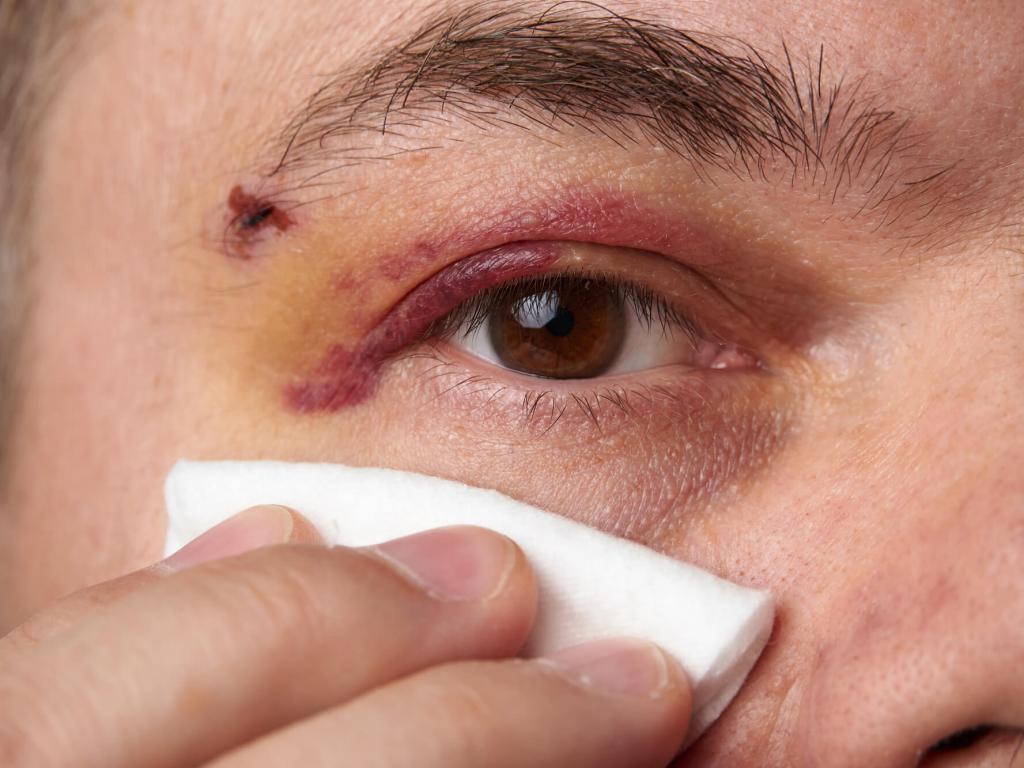
A black eye, caused by trauma to the area around your eye, results in bruising and swelling that can look alarming. While it’s usually not serious, taking proper care at home can reduce discomfort and …
How to Handle a Black Eye at Home
July 3, 2025
A black eye, caused by trauma to the area around your eye, results in bruising and swelling that can look alarming. While it’s usually not serious, taking proper care at home can reduce discomfort and help you heal faster. Here’s a simple guide to treating a black eye safely, plus when to seek medical attention.
What Causes a Black Eye?
A black eye happens when blood vessels under the skin around the eye break due to impact, causing blood to pool and discolor the area. Common causes include:
- Falls or sports injuries
- Accidental hits or punches
- Car accidents or physical altercations
The skin around the eye is thin and delicate, making bruising especially visible.
Step-by-Step Care for a Black Eye
1. Apply a Cold Compress Immediately
- Use a cold pack or bag of frozen peas wrapped in a towel
- Apply for 15–20 minutes every 1–2 hours during the first 48 hours
- Helps reduce swelling and numb pain
2. Keep Your Head Elevated
- Elevate your head, even when sleeping, to reduce swelling
- Use extra pillows or sleep in a reclined position
3. Avoid Pressure on the Eye
- Don’t rub, press, or apply direct pressure to the injured eye
- Avoid activities that risk further injury
4. Use Over-the-Counter Pain Medication
- Take acetaminophen or ibuprofen as needed
- Avoid aspirin to prevent increased bleeding
What to Avoid
- ❌ Don’t apply heat in the first 48 hours
- ❌ Don’t ignore vision changes or severe pain
- ❌ Don’t blow your nose hard—it can increase swelling
- ❌ Don’t wear contact lenses until the eye is fully healed
When to Seek Urgent Care
Seek medical attention immediately if you experience:
- Changes in vision such as blurriness, double vision, or loss of sight
- Severe pain or increased swelling after 48 hours
- Blood or clear fluid draining from the nose or ears
- Signs of a fractured bone around the eye (sunken eye, numbness)
- Difficulty moving your eye or eyelid
- A cut or laceration near the eye that may need stitches
- Head injury symptoms such as confusion, vomiting, or loss of consciousness
Healing Timeline
- Swelling and discoloration peak within 2–3 days
- Bruising fades from dark purple or blue to green and yellow over 1–2 weeks
- Full recovery typically takes 1–2 weeks, depending on severity
If symptoms get worse or don’t improve, visit your local urgent care provider for professional evaluation.
Hey Did You Know We Have an IV Therapy Spa Inside? Check out our drip menu!
avoid rubbing eyeblack eye carebruised eye treatmentcold compress for black eyecontact lens safetyelevate head injuryeye bruisingeye injury first aideye lacerationeye pain relieffacial injury home carefacial traumaheadache after eye injuryice pack for swellingice therapy face injuryswelling around eyeurgent care black eyevision changes black eyewhen to seek care