
After a bump, fall, or blow to the face, swelling is a natural part of your body’s healing process. It helps protect the injured area and starts tissue repair. However, not all swelling is harmless. …
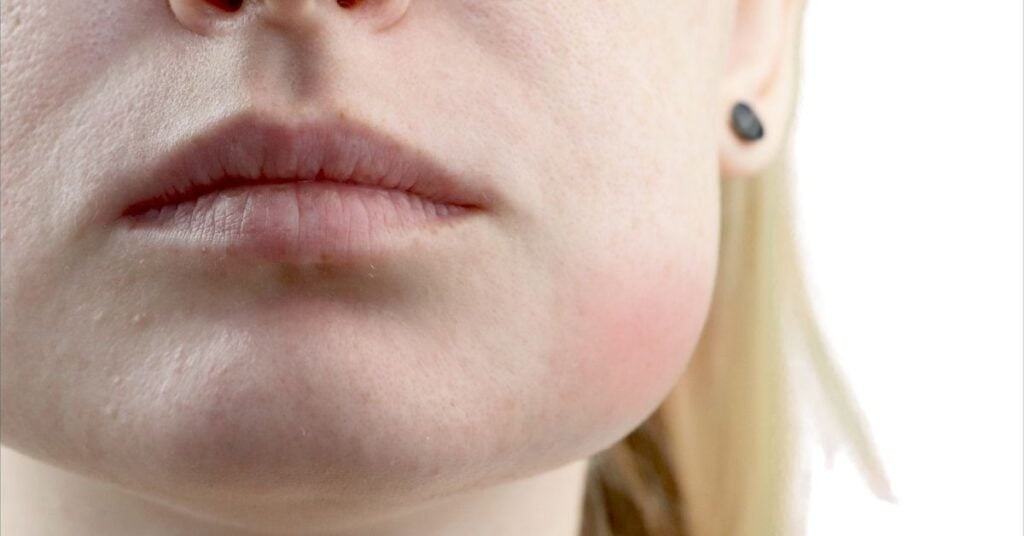
Facial Swelling After Injury: What’s Normal and What’s Not
July 3, 2025
After a bump, fall, or blow to the face, swelling is a natural part of your body’s healing process. It helps protect the injured area and starts tissue repair. However, not all swelling is harmless. Understanding what’s normal—and which signs could mean complications—can help you care for your injury safely at home and know when to get professional help.
What Causes Facial Swelling After Injury?
When soft tissues or bones are injured, blood vessels may break, releasing fluids into surrounding tissues. This fluid buildup causes swelling, redness, and sometimes bruising. Swelling typically peaks within 24 to 48 hours after injury.
Normal Facial Swelling: What to Expect
- Swelling that develops soon after injury, often within minutes to hours
- Mild to moderate puffiness around the cheeks, eyes, or jaw
- Tenderness or slight discomfort when touching the area
- Skin discoloration (redness or bruising) that appears with swelling
- Swelling that gradually improves over 2–5 days with home care
How to Manage Normal Swelling at Home
1. Apply Cold Therapy
- Use a cold compress or ice pack wrapped in a towel
- Apply for 15–20 minutes every 1–2 hours during the first 48 hours
- Helps reduce swelling and inflammation
2. Elevate Your Head
- Keep your head raised above heart level, especially when lying down
- Use extra pillows to reduce blood flow to the injured area
3. Take Over-the-Counter Pain Relievers
- Acetaminophen or ibuprofen can help relieve pain and swelling
- Follow dosage instructions carefully
4. Avoid Touching or Pressing the Area
- Protect the injury from further trauma
- Don’t massage or squeeze the swollen area
When Facial Swelling Is Not Normal
Seek urgent care if swelling is accompanied by:
- Rapidly increasing size or spreading to other areas
- Severe pain or throbbing that doesn’t improve with medication
- Difficulty breathing, swallowing, or opening the mouth
- Numbness, weakness, or changes in facial movement
- Fever, warmth, redness, or pus that may indicate infection
- Persistent or worsening swelling beyond 3–5 days
- Signs of a broken bone (deformity, sunken area, severe bruising)
Additional Warning Signs to Watch For
- Changes in vision or eye movement problems
- Blood or clear fluid draining from the nose or ears
- Persistent nosebleeds or heavy bleeding from the injury site
- Confusion, dizziness, or headache after facial trauma
When to Visit Urgent Care
If you notice any abnormal signs above or if swelling worsens despite home care, it’s important to get a medical evaluation promptly. Urgent care providers can assess for fractures, infections, or other complications and recommend treatment.
If symptoms get worse or don’t improve, visit your local urgent care provider for professional evaluation.
Hey Did You Know We Have an IV Therapy Spa Inside? Check out our drip menu!
broken facial bone signsbruised face swellingcold compress faceemergency facial swellingface injury pain relieffacial bruising carefacial swelling injuryfacial trauma swellinghead injury swellingheadache facial injuryhome care facial swellinginfection signs face swellingnormal swelling after traumapain with swellingswelling after fallswelling and rednessswelling around eyeurgent care facial injurywhen to seek care swelling



















