
When your child is under the weather, you know rest is key to healing—but convincing them to slow down is easier said than done. Whether they’re fighting a cold, dealing with a low fever, or …
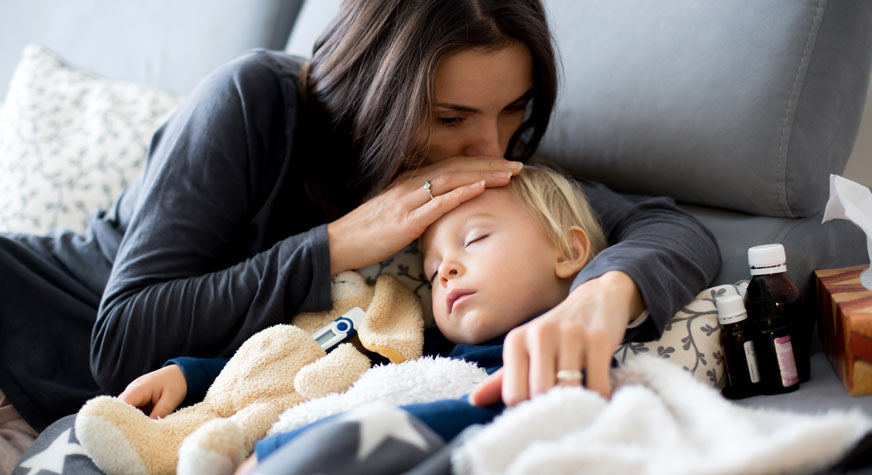
Tips for Encouraging Kids to Rest When Sick
July 3, 2025
When your child is under the weather, you know rest is key to healing—but convincing them to slow down is easier said than done. Whether they’re fighting a cold, dealing with a low fever, or recovering from a minor illness, getting a child to rest can be a real challenge—especially when they’re still a little energetic or feeling stir-crazy.
Here are gentle, effective tips to help encourage calm, quiet time so your little one can recover and get back to full health.
1. Create a Cozy Sick Zone
Turn the couch or their bed into a special “recovery spot.” Set it up with:
- Soft blankets and favorite stuffed animals
- A pillow or beanbag for propping up
- Water or electrolyte drinks within reach
- A thermometer or cool compress nearby
Let your child help “set up” their rest area—it gives them a sense of control and comfort.
2. Use Screen Time Strategically
When used wisely, TV, tablets, or audiobooks can help your child stay still. Choose:
- Low-energy shows (calm cartoons, nature videos, etc.)
- Gentle music or child-friendly guided meditations
- Audiobooks with soothing voices (especially for naptime)
Avoid fast-paced, over-stimulating content that might get them too excited.
3. Offer Rest-Encouraging Activities
Not every child will lie still and nap. Instead, provide restful options like:
- Coloring books or crayons in bed
- Sticker books or puzzles
- Reading together
- Listening to quiet stories or music
These low-effort activities keep them entertained while allowing the body to rest.
4. Lead by Example
Children often mirror adult behavior. If you sit with them quietly, read a book, or rest yourself, they’re more likely to slow down too. Make it a team effort: “Let’s both rest so we can feel better faster.”
5. Remind Them Why Rest Helps
Use simple language to explain:
“Resting gives your body the energy to fight the germs.”
“You’re like a superhero charging up!”
Give small rewards or praise for “doing a great job resting.”
6. Maintain a Gentle Routine
Stick to basic structure (like wake-up and bedtime) but don’t push meals or activities if your child is feeling too tired. Allow naps as needed and keep things quiet throughout the day.
When to Seek Medical Care
Encourage rest at home, but contact your pediatrician or visit urgent care if your child:
- Has a fever over 100.4°F for more than 3 days
- Shows signs of dehydration (dry lips, no tears, fewer wet diapers)
- Is unusually sleepy, irritable, or hard to wake
- Isn’t eating or drinking for more than 24 hours
- Has persistent cough, vomiting, or diarrhea
If symptoms get worse or don’t improve, visit your local urgent care provider for professional evaluation.
Hey Did You Know We Have an IV Therapy Spa Inside? Check out our drip menu!
calm screen time for kidschild won’t rest when sickcozy sick day setupfever and rest kidsgentle routine when sickhelping child rest at homehow to get kids to naphow to soothe sick toddlerhydration and recoverykids cold recoverylow-energy activities for kidsnatural remedies restpediatric rest advicesick child audiobooksick day activities kidssick kid rest tipssleep and healing childurgent care for sick kidswhat to do when child is sick



















