Mild diarrhea is uncomfortable, inconvenient, and incredibly common. Whether it's from something you ate, a mild stomach bug, or stress, most cases clear up on their own within a few days. Still, knowing how to …
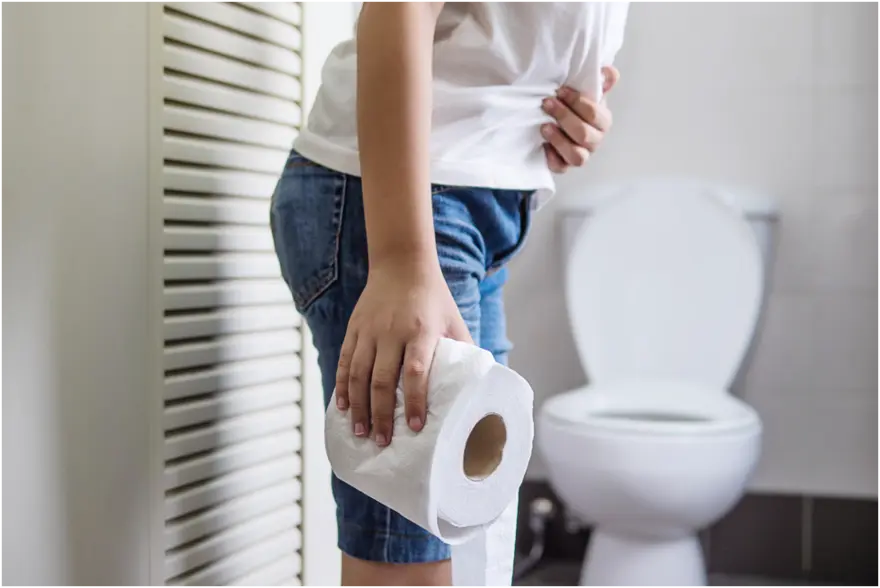
At-Home Remedies for Mild Diarrhea
July 3, 2025
Mild diarrhea is uncomfortable, inconvenient, and incredibly common. Whether it’s from something you ate, a mild stomach bug, or stress, most cases clear up on their own within a few days. Still, knowing how to treat it at home can ease discomfort and prevent dehydration.
Here’s how to manage mild diarrhea safely using simple remedies—and when to seek professional care.
What Causes Mild Diarrhea?
Diarrhea happens when the digestive system moves food through too quickly, not allowing enough water to be absorbed. Common causes include:
- Minor viral infections (like a stomach bug)
- Food intolerances (like lactose sensitivity)
- Changes in diet or stress
- Mild food poisoning
- Certain medications or supplements
Step-by-Step Remedies at Home
1. Start with Fluids
The biggest risk from diarrhea is dehydration. Replacing lost fluids is the top priority.
- Drink water frequently, even in small sips
- Try electrolyte drinks or oral rehydration solutions (ORS) to replace salts and minerals
- Clear broths, herbal teas, and diluted fruit juice are also good options
- Avoid caffeine and alcohol, which can worsen dehydration
2. Eat a BRAT Diet
When your stomach starts to settle, stick to bland, easy-to-digest foods:
- Bananas – rich in potassium and gentle on the gut
- Rice – plain white rice helps bulk up stool
- Applesauce – contains pectin, which firms stool
- Toast – low in fiber and easy to digest
Other good choices: plain crackers, boiled potatoes, and oatmeal.
3. Avoid Irritating Foods
Steer clear of:
- Dairy (especially if lactose intolerant)
- Fatty, greasy, or spicy foods
- High-fiber vegetables (like broccoli or cabbage)
- Sugar substitutes (like sorbitol)
- Carbonated drinks
These can make diarrhea worse or irritate your digestive system further.
4. Take Probiotics
Probiotics (like those found in yogurt or supplements) can help restore the good bacteria in your gut. They may reduce the duration of diarrhea in some people.
5. Get Plenty of Rest
Your body needs energy to recover. Take it easy, stay near a bathroom, and avoid strenuous activity until symptoms improve.
When to See a Medical Provider
While mild diarrhea usually resolves on its own, seek urgent care if you experience:
- Diarrhea lasting more than 2 days
- Fever above 101°F (38.3°C)
- Signs of dehydration: dry mouth, dizziness, dark urine
- Blood or mucus in the stool
- Severe abdominal pain
- Diarrhea after travel or contact with contaminated water
These symptoms may indicate a more serious infection or condition requiring medical treatment.
Mild diarrhea is your body’s way of flushing out something it doesn’t like. With the right care and patience, you’ll usually be back to normal in a day or two.
If symptoms get worse or don’t improve, visit your local urgent care provider for professional evaluation.
Hey Did You Know We Have an IV Therapy Spa Inside? Check out our drip menu!
at-home diarrhea treatmentbland foods for recoveryBRAT dietdiarrhea in adultsdiarrhea in kidsdiarrhea relief tipsdigestive supportelectrolyte drinksfood poisoning caregut healthmild diarrheaover-the-counter remediesprobiotics for diarrhearehydration tipsstay hydratedupset stomach remediesurgent care diarrheawhat to eat with diarrheawhen to see a doctor