Minor burns—like those caused by touching a hot pan or spilling coffee—can catch you off guard. Even though first-degree burns only affect the outermost layer of skin, acting quickly can ease discomfort and reduce the …
How to Treat a Mild Skin Burn Right After It Happens
July 3, 2025
Minor burns—like those caused by touching a hot pan or spilling coffee—can catch you off guard. Even though first-degree burns only affect the outermost layer of skin, acting quickly can ease discomfort and reduce the chances of complications. Knowing exactly what to do in those first moments after the injury makes all the difference.
What Is a First-Degree Burn?
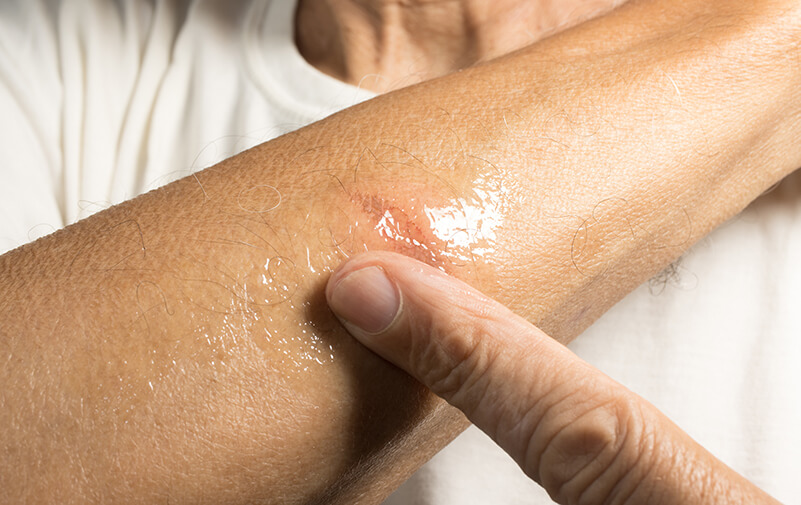
A first-degree burn is the mildest type of skin burn. It affects only the top layer (epidermis) and usually causes redness, mild swelling, and pain. There’s no blistering or deep tissue damage, and the skin typically heals within a week.
Common causes include:
- Touching a hot stove, pan, or iron
- Brief exposure to hot liquids or steam
- Sunburn from overexposure
- Mild scalds or contact with heated surfaces
Even though they’re considered minor, first-degree burns still require care to relieve symptoms and support healing.
Step-by-Step First Aid for a Minor Burn
Here’s what to do immediately after a first-degree burn:
- Cool the Burn Quickly
Run cool (not cold) water over the burned area for 10 to 15 minutes. This helps draw heat out of the skin and stops the burn from progressing. If running water isn’t available, use a clean, cool, damp cloth. - Remove Tight Items Near the Burn
Gently take off rings, watches, or clothing around the area before swelling sets in. Don’t try to remove anything stuck to the burn. - Clean the Area Gently
Once cooled, wash the burn with mild soap and water. Avoid scrubbing. Pat dry with a clean towel. - Apply a Soothing Topical Treatment
Use an aloe vera gel or a fragrance-free moisturizer to hydrate the skin and reduce discomfort. Avoid petroleum-based products in the first few hours, as they can trap heat. - Cover the Burn (Optional)
If the area is at risk of friction or contamination, cover it loosely with a non-stick sterile bandage. Otherwise, it’s okay to leave it uncovered in a clean environment. - Take Pain Relievers If Needed
Over-the-counter medications like ibuprofen or acetaminophen can help ease pain and reduce inflammation.
What to Watch For
First-degree burns are typically not dangerous, but some signs may suggest the need for medical attention:
- The burn covers a large area (more than 3 inches)
- It’s located on the face, hands, feet, joints, or groin
- There’s increased redness, swelling, or pus after a few days
- Pain gets worse instead of better
- Signs of infection appear (warmth, oozing, fever)
If any of these occur, it’s best to visit urgent care for evaluation.
Common Mistakes to Avoid
Burn first aid seems simple, but a few common missteps can actually make things worse:
- Don’t apply ice directly to the burn—it can damage the skin further.
- Avoid butter, oils, or toothpaste—these trap heat and may lead to infection.
- Don’t pop any blisters if they form later (though first-degree burns usually don’t blister).
- Don’t ignore persistent pain or spreading redness—these could signal a deeper injury.
Extra Tips for Healing Comfortably
- Keep the area moisturized as it heals to prevent dryness or cracking.
- Stay out of direct sun until the skin is fully recovered.
- Drink plenty of water to support skin repair from the inside.
- Gently stretch the area daily if it’s near a joint to avoid stiffness.
Final Thoughts
Reacting quickly and correctly to a first-degree burn helps reduce pain, protects the skin, and promotes faster healing. Simple actions—like cooling the burn and keeping it clean—can make a big difference in recovery. Always keep a basic first aid kit at home, and don’t hesitate to seek medical care if things don’t improve.
If symptoms get worse or don’t improve, visit your local urgent care provider for professional evaluation.
Hey Did You Know We Have an IV Therapy Spa Inside? Check out our drip menu!