
Accidental bumps and knocks can leave behind an unwelcome purple bruise. That deep discoloration can look alarming, but it’s usually a normal part of your body’s healing process. Understanding why bruises turn purple and how …
Decoding Purple Bruises: Causes and Ways to Help Them Heal Faster
July 3, 2025
Accidental bumps and knocks can leave behind an unwelcome purple bruise. That deep discoloration can look alarming, but it’s usually a normal part of your body’s healing process. Understanding why bruises turn purple and how to care for them properly can help you recover faster and avoid complications.
Here’s what you need to know about purple bruises and effective ways to support healing at home.
Why Do Bruises Turn Purple?
When you get hit or bump into something, tiny blood vessels called capillaries beneath your skin may break. Blood leaks into the surrounding tissues, causing the skin to change color. At first, bruises may appear red or pink, but within hours to days, they often deepen to a purple or bluish shade.
This purple hue is from deoxygenated blood pooling under the skin. Over time, your body breaks down this blood and reabsorbs it, causing the bruise to change colors—progressing through green, yellow, and eventually fading away.
How to Support Faster Healing of Purple Bruises
Most bruises heal naturally within one to two weeks. However, these tips can ease discomfort and encourage quicker recovery:
- Apply Ice Immediately
Use a cold pack or ice wrapped in a towel for 15–20 minutes right after injury. This constricts blood vessels, reducing blood flow and limiting the size and depth of the bruise. - Elevate the Injured Area
Keep the bruised limb raised above heart level as often as possible. Elevation helps prevent blood from pooling and reduces swelling. - Avoid Heat for the First 48 Hours
Heat can increase circulation and worsen bruising early on, so stick to cold therapy initially. - Switch to Warm Compresses Later
After 48 hours, gently applying warmth improves blood flow and helps clear away trapped blood cells. - Use Topical Remedies
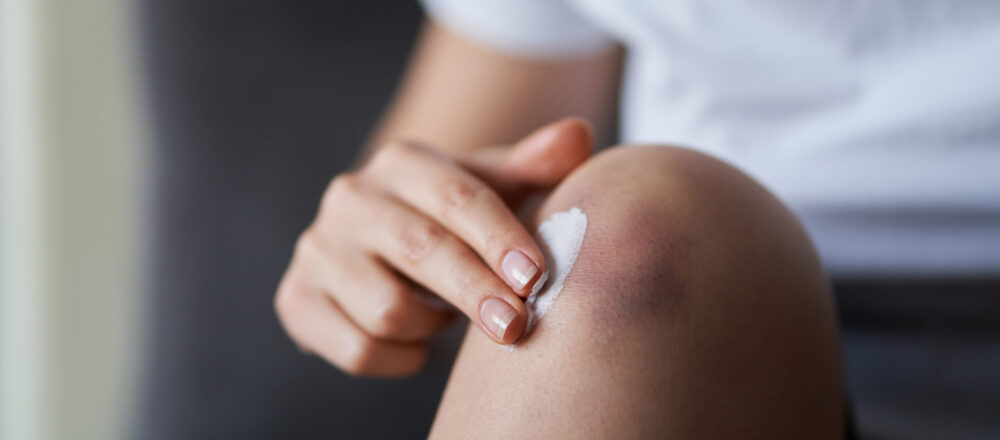
Creams containing arnica or vitamin K may promote bruise fading, though evidence varies. Follow product directions carefully. - Rest and Protect the Area
Avoid heavy use or pressure on the bruised spot to prevent further injury.
When to Be Concerned About a Purple Bruise
While most bruises are harmless, certain signs suggest you should seek medical advice:
- Bruises that continue to enlarge or become very painful
- Frequent bruising without a clear cause
- Bruises accompanied by bleeding gums or nosebleeds
- Bruises appearing alongside fever, weakness, or unexplained fatigue
- A bruise that occurs without any trauma
These symptoms may point to bleeding disorders, infections, or other medical issues requiring urgent evaluation.
Preventing Bruises in the Future
Some people bruise more easily due to aging, medications like blood thinners, or certain health conditions. To minimize bruising risk:
- Wear protective gear during physical activities
- Keep your living spaces free of trip hazards
- Maintain a balanced diet rich in vitamin C and K for healthy blood vessels
- Be cautious with medications that affect clotting, and consult your doctor about alternatives if needed
Purple bruises can look dramatic but are usually a natural step in your body’s healing process. With prompt care and rest, most will fade smoothly and quickly.
If your bruise worsens or unusual symptoms develop, seek evaluation at your nearest urgent care center.
Hey Did You Know We Have an IV Therapy Spa Inside? Check out our drip menu!



















