Whether you took a basketball to the face or bumped your chin in a fall, a sore jaw is one of those injuries that feels worse with time—especially when you chew or talk. But not …
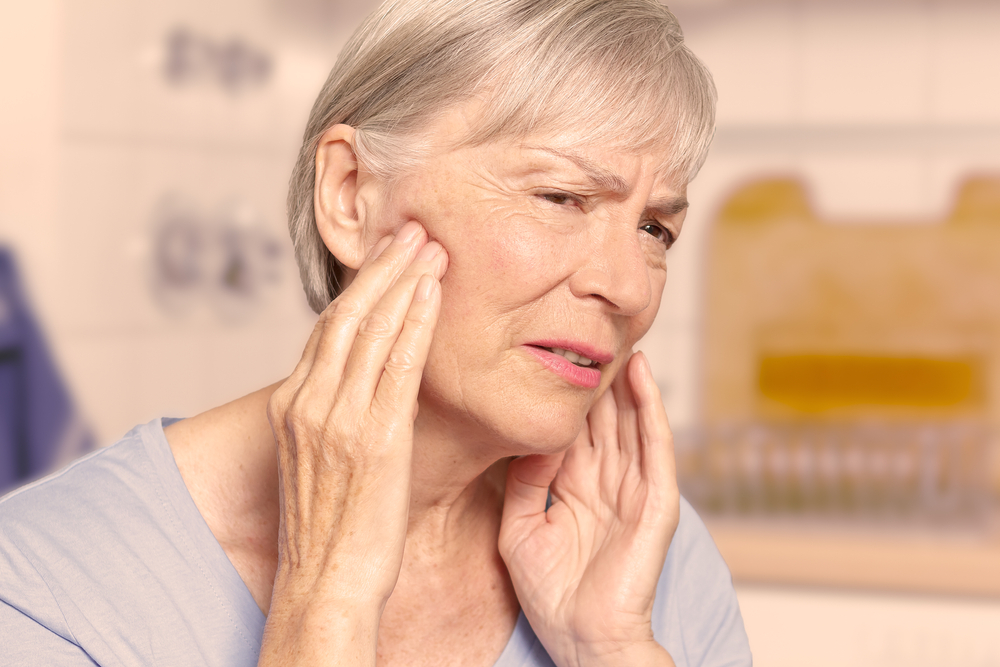
What to Do When Your Jaw Hurts After a Hit: Home Care Tips
July 3, 2025
Whether you took a basketball to the face or bumped your chin in a fall, a sore jaw is one of those injuries that feels worse with time—especially when you chew or talk. But not every jaw injury needs a trip to the emergency room. With proper home care, most mild jaw pain from impact can be eased within a few days.
Here’s how to care for a sore jaw safely at home and how to know when to seek medical help.
Step 1: Use Cold for the First 24 Hours
Apply a cold compress as soon as possible after the impact. Cold helps shrink blood vessels, which reduces swelling and slows bruising.
How to do it:
- Wrap a few ice cubes in a towel or use a soft gel ice pack
- Hold it gently against the sore area for 10–15 minutes
- Repeat every 2–3 hours during the first day
If you wait too long, swelling and discomfort can get worse.
Step 2: Switch to Jaw-Friendly Meals
To avoid triggering more pain, stick to soft meals for at least 2–3 days. Think of it as a mini vacation for your jaw.
Good food options:
- Creamy soups
- Cooked cereals like oatmeal
- Mashed avocado or sweet potato
- Cottage cheese
- Fruit smoothies (avoid using straws—they can stress the jaw)
The less chewing required, the better for healing.
Step 3: Let the Jaw Rest
Limit activities that strain the jaw joint, like:
- Excessive talking
- Singing, yawning wide, or chewing gum
- Clenching your teeth (especially during sleep)
If you’re a teeth grinder, consider using a soft night guard or folded cloth under your jaw for cushion. Even just staying quiet for a few hours helps reduce tension.
Step 4: Moist Heat After 48 Hours
If stiffness becomes more of a problem than swelling, switch to heat. Moist warmth can improve blood flow and loosen tight jaw muscles.
Try this:
- Soak a washcloth in warm water and wring it out
- Place it over the jaw for 10–15 minutes
- Repeat 2–3 times per day as needed
Be cautious with electric heating pads—they can get too hot or dry out the skin.
Step 5: Manage Pain Responsibly
If your jaw is sore enough to interfere with eating or sleeping, use an over-the-counter pain reliever like:
- Acetaminophen (for pain)
- Ibuprofen (for both pain and inflammation)
These are most effective when taken as directed and with food. If pain returns right after the medication wears off, it’s a sign your jaw needs more rest.
Know When It Might Be More Serious
While most soreness fades within a few days, there are times when jaw pain signals something more complex.
Get checked by a medical provider if you notice:
- Pain when opening or closing your mouth wide
- The jaw “clicks” or gets stuck in place
- Uneven bite or changes in alignment
- Tingling or numbness around the lips
- Increasing pain instead of gradual improvement
- Difficulty chewing or talking after 48 hours
These symptoms could point to a joint issue or a small fracture that needs attention.
Common Mistakes to Avoid
- Using your jaw too soon – avoid crunchy or chewy foods even if the pain seems less
- Skipping meals entirely – healing requires nutrition
- Rubbing or massaging the area too hard – this can irritate already inflamed tissue
- Ignoring nighttime grinding – which can undo progress
With the right care, most sore jaws recover well at home. Keep your meals soft, your jaw rested, and avoid activities that strain the area. Most importantly, listen to your body—if it feels like more than just soreness, it’s okay to get checked.
If symptoms get worse or don’t improve, visit your local urgent care provider for professional evaluation.
Hey Did You Know We Have an IV Therapy Spa Inside? Check out our drip menu!