Getting hit in the jaw—whether from a misstep, a stray elbow, or a minor accident—can leave you dealing with soreness that makes everyday things like talking or eating uncomfortable. But not every jaw impact is …
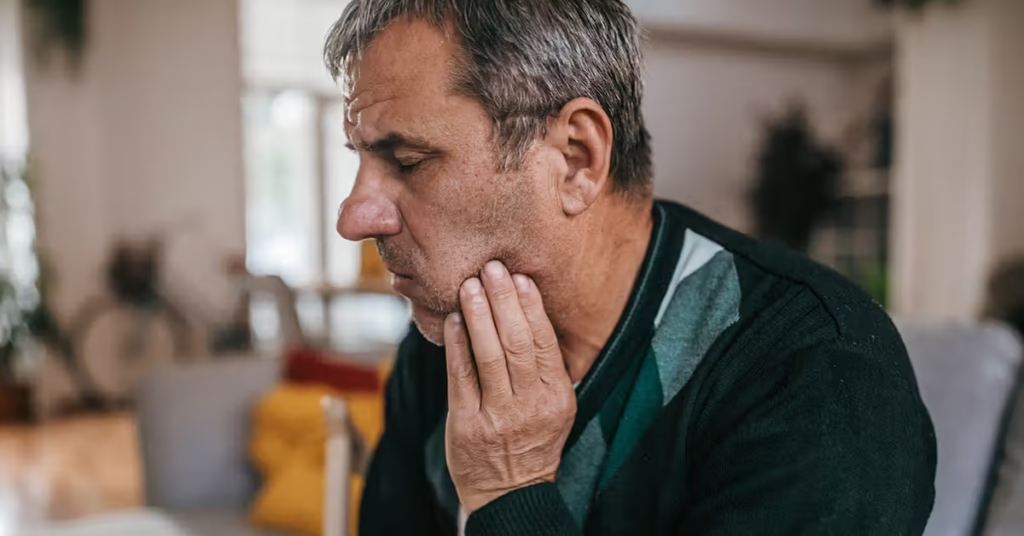
Sore Jaw After an Accident? Here’s How to Ease It at Home
July 3, 2025
Getting hit in the jaw—whether from a misstep, a stray elbow, or a minor accident—can leave you dealing with soreness that makes everyday things like talking or eating uncomfortable. But not every jaw impact is serious, and with the right home care, you can ease the discomfort and promote healing naturally.
Here’s your guide to managing mild jaw pain at home after an impact, and how to tell when it’s time to get checked by a provider.
Step 1: Start With Cold Therapy
Right after the injury, reduce swelling by applying something cold to the area.
- Wrap a soft ice pack or frozen veggie bag in a towel
- Hold gently against your jaw for 10 minutes at a time
- Wait at least 30 minutes between applications
- Use ice packs regularly during the first 24 hours
Don’t press too hard—let the cold do the work.
Step 2: Avoid Chewing on the Injured Side
Your jaw joint works hard when you eat, speak, or yawn. Give it time to rest by avoiding excessive motion.
Tips:
- Stick to soft foods like soups, mashed vegetables, oatmeal, or yogurt
- Chew on the opposite side if needed
- Skip tough, chewy, or crunchy foods (chips, bagels, gum, etc.)
- Sip liquids instead of using straws
Rest is healing. Let your jaw do less for a few days.
Step 3: Light Jaw Movement to Prevent Stiffness
After 1–2 days, if your soreness has started to ease and there’s no swelling, consider gentle jaw movements:
- Open and close your mouth slowly 5 times
- Move your jaw side-to-side gently
- Do this once or twice a day to avoid tightness
If the motion causes pain, stop and wait another day before trying again.
Step 4: Take Over-the-Counter Relief If Needed
Jaw pain can be dull and nagging. If it’s bothering you during meals or rest, consider:
- Ibuprofen or naproxen to relieve pain and reduce inflammation
- Acetaminophen if swelling isn’t an issue
Always follow label directions and don’t combine medications without a doctor’s advice.
Step 5: Protect Your Jaw While Sleeping
Unconsciously clenching or sleeping on the sore side can worsen discomfort. Try this instead:
- Sleep on your back if possible
- Use an extra pillow to support your head
- Place a soft towel or neck pillow around your chin if you tend to shift during sleep
Avoid sleeping face-down or with pressure on the sore side.
When to Get Checked by a Provider
While most jaw soreness improves with home care, some signs point to a more serious injury that needs medical attention. Contact a professional if:
- You can’t open your mouth more than halfway
- There’s a popping or locking sound when moving the jaw
- The pain feels sharp or shoots toward your ear or neck
- You notice swelling that’s increasing instead of decreasing
- Your bite feels uneven, or you feel like your teeth no longer line up
These symptoms may indicate joint damage or a small fracture that should be evaluated right away.
What Not to Do
- Don’t try to “work through the pain”—it may slow healing
- Don’t chew gum or sticky foods, even if they don’t seem to hurt
- Don’t ignore jaw clicking or new stiffness—they may be early signs of deeper issues
- Don’t self-diagnose—if something feels off, get it checked
A sore jaw can be frustrating—but in many cases, it’s completely manageable at home with ice, rest, soft foods, and patience. The key is to go easy on the joint and let your body repair at its own pace.
If symptoms get worse or don’t improve, visit your local urgent care provider for professional evaluation.
Hey Did You Know We Have an IV Therapy Spa Inside? Check out our drip menu!