
Eye redness is something many people experience—but knowing when it’s more than just irritation can protect your eye health. Whether it's from allergies, late nights, or something more serious like an infection, understanding the difference …
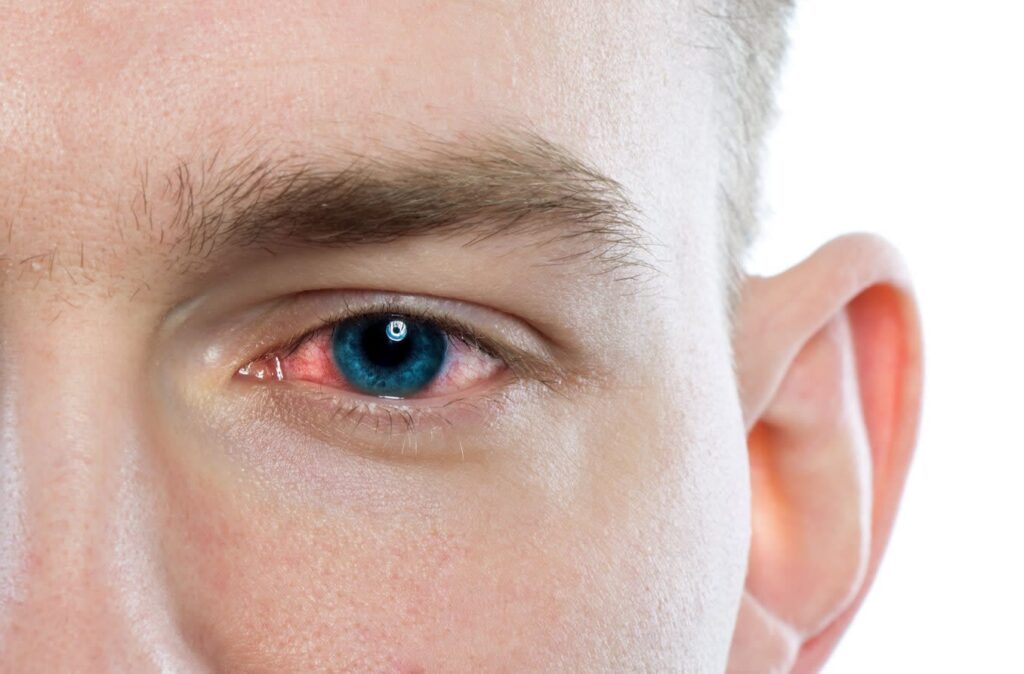
When Red Eyes Require Medical Attention: Recognizing Infection Symptoms
July 3, 2025
Eye redness is something many people experience—but knowing when it’s more than just irritation can protect your eye health. Whether it’s from allergies, late nights, or something more serious like an infection, understanding the difference is essential. Infections can develop quickly and may cause complications if left untreated.
Here’s how to tell when a red eye is harmless and when it may be a sign of infection that needs medical care.
Common Non-Infectious Causes of Redness
Many cases of red eyes are temporary and not harmful. These causes usually don’t involve pain or discharge and improve within a day or two:
- Environmental irritants (like smoke or chlorine)
- Allergic reactions
- Dry air or eye strain
- Long hours wearing contact lenses
- Poor sleep or digital eye fatigue
In these situations, redness usually improves with artificial tears, cool compresses, and rest.
Signs Your Red Eye Might Be Infected
Unlike irritation, infections tend to come with additional symptoms. Keep an eye out for these red flags:
- Discharge or crusting
Thick yellow, green, or white discharge can indicate bacterial conjunctivitis. - Burning or pain
A stinging, gritty, or aching sensation is not typical of simple dryness. - Light sensitivity
If your eyes hurt when exposed to bright light, you could be dealing with inflammation or infection. - Eyelid swelling
Puffy or painful eyelids can be a sign of a stye, blepharitis, or another infection. - Blurred vision
If redness is accompanied by difficulty seeing clearly, don’t delay getting care. - Redness in both eyes
Viral or allergic conjunctivitis can spread between eyes quickly, especially in children. - General illness or fever
If redness is paired with cold or flu symptoms, a viral infection may be to blame.
Home Care for Mild Redness (Without Infection Signs)
If symptoms are mild and not accompanied by pain or discharge, these steps can provide relief while you monitor your condition:
- Use preservative-free artificial tears to relieve dryness
- Apply a clean, cold washcloth to reduce inflammation
- Take a break from contact lenses and cosmetics
- Avoid rubbing your eyes—this only adds irritation
Limit screen time if possible, and always wash your hands before touching your eyes or face.
When to Visit Urgent Care
See a medical provider if you notice any of the following:
- Redness that lasts more than 48 hours
- Moderate to severe pain in or around the eye
- Eye discharge that keeps coming back
- Swelling that makes it difficult to open your eye
- Vision disturbances (blurry, shadowy, or flashing lights)
- You wear contact lenses and suspect an infection
- You’ve recently had eye surgery or trauma
Prompt treatment with antibiotic or antiviral eye drops may be necessary, depending on the cause.
What Not to Do
Avoid these common mistakes when dealing with eye redness:
- ❌ Don’t use someone else’s eye drops or old prescriptions
- ❌ Don’t sleep in contact lenses, especially when experiencing symptoms
- ❌ Don’t wear makeup until your eyes are fully healed
- ❌ Don’t self-diagnose prolonged symptoms—get a professional opinion
Tips for Preventing Eye Infections
To reduce your risk of future eye infections:
- Wash your hands frequently
- Avoid touching your eyes unnecessarily
- Clean contact lenses properly and replace them as directed
- Change pillowcases and towels regularly
- Replace eye makeup every few months and never share it
These simple habits can help protect your eyes from unnecessary exposure to bacteria and viruses.
Red eyes are common—but when redness comes with pain, swelling, discharge, or vision changes, it’s best not to wait. Early care can prevent complications and lead to faster healing.
If symptoms get worse or don’t improve, visit your local urgent care provider for professional evaluation.
Hey Did You Know We Have an IV Therapy Spa Inside? Check out our drip menu!
blurry vision eye infectionburning eyesconjunctivitis symptomscontact lens infectioneye care tipseye dischargeeye infectioneye paineye rednessgritty eye feelinglight-sensitive eyespink eye signsred eyes treatmentred itchy eyesstye or pink eyeswollen eyelidurgent care eye issuesviral pink eyewhen to see urgent care for red eye



















