Getting burned is one of those accidents that can happen in an instant—grabbing a hot pot, touching a curling iron, or even getting splashed by hot coffee. Most of these incidents lead to a first-degree …
How to Safely Treat a Light Burn at Home
July 3, 2025
Getting burned is one of those accidents that can happen in an instant—grabbing a hot pot, touching a curling iron, or even getting splashed by hot coffee. Most of these incidents lead to a first-degree burn, the mildest kind. It only affects the top layer of skin, but that doesn’t mean it should be brushed off.
Knowing what to do right away can make the burn less painful and help your skin heal properly.
What a First-Degree Burn Looks Like
First-degree burns are easy to spot. The skin becomes red, warm to the touch, and sore. It might swell slightly, and after a day or two, some mild peeling may occur. There are no blisters with this kind of burn—if you see any, it could be more severe.
Typical causes of first-degree burns:
- Brief contact with hot metal or plastic
- Steam or hot water splashes
- Overexposure to the sun
- Hot food or beverage spills
What to Do Right After You’re Burned
- Cool the Skin Immediately
As soon as the burn happens, place the affected area under cool (not cold) running water for 10 to 15 minutes. If running water isn’t available, apply a cool, damp cloth. This helps reduce heat, swelling, and pain. - Remove Anything Restrictive
If the burn is on your hand, wrist, or foot, gently take off rings, bracelets, or tight clothing before swelling sets in. - Clean Gently with Mild Soap
Once the area is cooled, wash it with gentle soap and lukewarm water. Avoid scrubbing. Pat dry with a clean towel or gauze. - Apply a Soothing Moisturizer
Aloe vera gel or a fragrance-free lotion works well to keep the skin calm and hydrated. Avoid greasy or perfumed creams in the first 24 hours. - Cover If Necessary
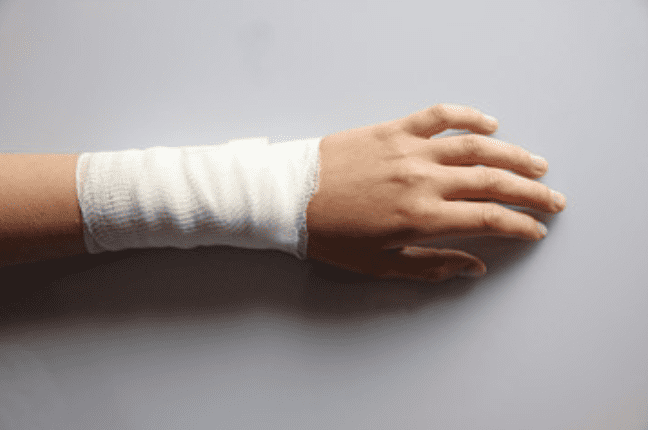
If the burn is in a spot that will rub against clothes or surfaces, cover it loosely with a sterile, non-stick bandage. Otherwise, letting it breathe is perfectly fine. - Use Pain Relief if Needed
Over-the-counter medications like ibuprofen or acetaminophen can reduce discomfort and inflammation. Always follow the label instructions.
What Not to Do
- Don’t use ice: It may damage the skin further. Stick with cool water.
- Avoid home remedies like butter or toothpaste: These can make things worse, not better.
- Don’t break any blisters: First-degree burns usually don’t blister, but if they do, leave them alone.
- No harsh creams or ointments: Products with alcohol or strong fragrances can irritate healing skin.
When to Get Medical Help
Although first-degree burns are minor, they still deserve attention. You should go to urgent care if:
- The burn affects your face, hands, feet, or genitals
- It covers a large area
- Pain becomes more intense over time
- The skin starts to ooze, look infected, or form red streaks
- You’re unsure how deep the burn is
Burns in sensitive or high-use areas can lead to more serious issues if not properly treated.
Helping the Skin Heal
Healing from a first-degree burn usually takes 3 to 7 days. To support recovery:
- Keep moisturizing the area daily
- Avoid direct sun exposure
- Don’t pick at flaking or peeling skin
- Wear loose, breathable fabrics over the area
- Stay hydrated to support overall skin health
Burns happen fast—but so can recovery with the right care. Acting quickly and treating the area gently makes all the difference in pain relief and healing.
If symptoms get worse or don’t improve, visit your local urgent care provider for professional evaluation.
Hey Did You Know We Have an IV Therapy Spa Inside? Check out our drip menu!
aloe vera for burncooling a burndaily burn treatmentfirst aid for burnsfirst-degree burn recoveryhealing hot surface burnhot drink burnkitchen injury burnmild burn careminor burn treatmentno blister burnOTC pain for burnred skin remedysafe home burn remedysoothing skin after burnsteam burn caresunburn vs heat burnurgent care for burnswhen to cover a burn