If you’ve been dealing with burning stomach pain, nausea, bloating, or constant indigestion, you might be wondering: Could this be caused by H. pylori—and can I test for it? The answer is yes—H. pylori (Helicobacter …
Can I test for H pylori?
July 7, 2025
If you’ve been dealing with burning stomach pain, nausea, bloating, or constant indigestion, you might be wondering: Could this be caused by H. pylori—and can I test for it?
The answer is yes—H. pylori (Helicobacter pylori) is a common bacterial infection, and several reliable tests are available to detect it. These can be ordered by a healthcare provider, including at urgent care. Testing is simple, noninvasive, and often the first step toward healing chronic digestive issues.
Let’s walk through your options, how the testing works, and what to expect during and after the process.
What Is H. pylori and Why Test for It?
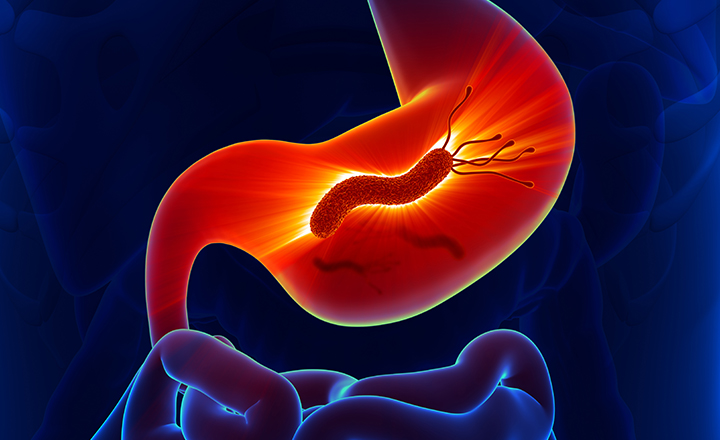
H. pylori is a bacteria that lives in the stomach lining and can lead to ulcers, gastritis, and long-term digestive discomfort. Some people carry the bacteria for years with no symptoms, but for others, it causes burning pain in the upper abdomen, especially when the stomach is empty.
Testing is important because H. pylori infections don’t go away on their own and often require antibiotic treatment. If untreated, they can lead to more serious issues like bleeding ulcers or even an increased risk of stomach cancer.
How Can I Get Tested for H. pylori?
Here are the main testing methods available:
- Stool Antigen Test
This test looks for H. pylori proteins in a small stool sample. It’s accurate, widely available, and often used to confirm both infection and whether treatment worked. - Urea Breath Test
This noninvasive test involves drinking a special solution and then blowing into a collection bag. If H. pylori is present, your breath will contain specific carbon markers. It’s fast and reliable but may require a referral or special equipment not available at every clinic. - Blood Antibody Test
This checks for antibodies your body has made in response to H. pylori. It’s less reliable for diagnosing active infection, since antibodies can stay in your system long after the bacteria is gone. It’s rarely the first choice today. - Endoscopy (with biopsy)
This is typically done in a hospital or specialist setting—not at urgent care. A small camera is inserted through your throat into the stomach to collect tissue samples. It’s used when symptoms are severe or other tests are inconclusive.
Can Urgent Care Test for H. pylori?
Yes, many urgent care centers can order H. pylori tests—especially the stool antigen test or the blood antibody test. Some clinics may also help you schedule a urea breath test or refer you to a gastroenterologist if needed.
During your urgent care visit, the provider will ask about your symptoms, perform a physical exam, and help determine whether H. pylori is likely. If so, they’ll either collect a sample onsite or send you to a nearby lab.
When Should You Get Tested?
You should consider getting tested if you experience:
- Ongoing upper stomach pain or burning that doesn’t improve
- Pain that feels worse when your stomach is empty
- Bloating, nausea, or early fullness when eating
- Frequent belching or indigestion
- Loss of appetite or unexplained weight loss
- A family history of ulcers or H. pylori infections
Testing is especially important if you’ve been using over-the-counter acid reducers without long-term relief.
What Happens If You Test Positive?
If you test positive, your provider will likely prescribe a combination of:
- Two antibiotics to kill the bacteria
- A proton pump inhibitor (PPI) to reduce stomach acid and help healing
- Possibly bismuth subsalicylate (like Pepto-Bismol) as part of a quadruple therapy plan
This treatment typically lasts 10–14 days. Most people begin to feel better within a few days of starting antibiotics. A follow-up test may be needed a few weeks after treatment to confirm the infection is gone.
Helpful Tip:
Before testing, avoid taking antacids or antibiotics for at least two weeks (unless your provider says otherwise). These medications can affect the accuracy of some H. pylori tests.
Final Thought
Yes—you can absolutely test for H. pylori, and it’s easier than you might think. Whether through a stool sample, breath test, or simple blood work, urgent care providers can help identify the cause of your stomach pain and get you on the road to recovery.
If symptoms get worse or don’t improve, visit your local urgent care provider for professional evaluation.
Hey Did You Know We Have an IV Therapy Spa Inside? Check out our drip menu!