
Discomfort on the right side of your stomach can feel minor—or be a sign of something more serious. Several important organs are located on the right side of your abdomen, and understanding what's there can …
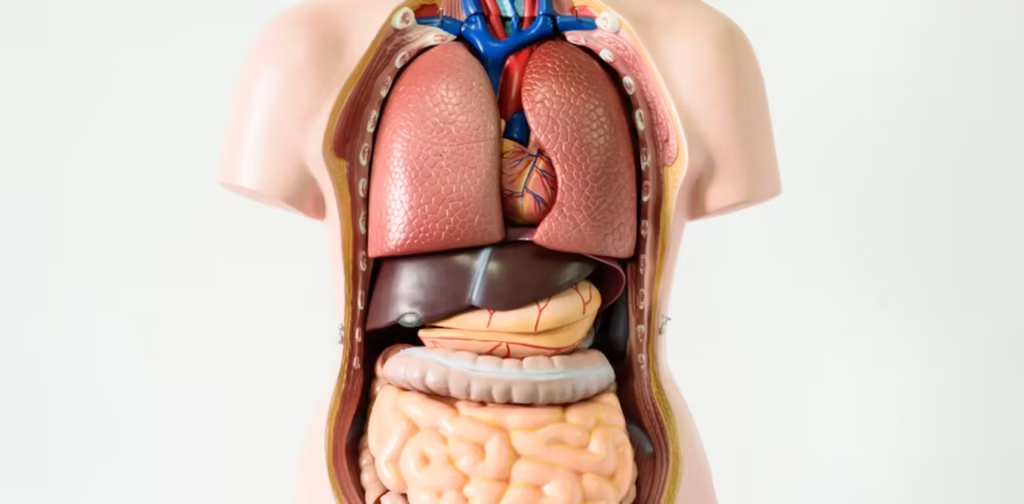
What organ is on the right side of your stomach?
July 7, 2025
Discomfort on the right side of your stomach can feel minor—or be a sign of something more serious. Several important organs are located on the right side of your abdomen, and understanding what’s there can help you identify the cause of your pain and decide when to seek care.
Pain in this area could stem from digestive problems, inflammation, infections, or even reproductive or urinary issues. The key is to pay attention to the type, location, and intensity of your symptoms.
Organs on the right side of the abdomen
- Liver
The liver is a large organ in the upper right abdomen beneath the ribcage. It filters blood, helps with digestion, and stores nutrients.
Common causes of liver-related pain: hepatitis, liver congestion, or fatty liver disease. Liver pain is usually a dull ache in the upper right quadrant. - Gallbladder
The gallbladder sits just below the liver and stores bile to help digest fats.
Common causes of gallbladder pain: gallstones or inflammation (cholecystitis). Pain is typically sharp and triggered after eating fatty foods, often radiating to the shoulder or back. - Right kidney
Located toward the back of your upper abdomen, the right kidney filters waste and manages fluid balance.
Common kidney-related causes: kidney stones or infections. Pain may feel deep and achy in the flank and can extend to the groin. - Small and large intestines
The right side of the abdomen includes part of the small intestine (ileum) and the beginning of the large intestine (ascending colon).
Common causes of intestinal pain: gas, constipation, irritable bowel syndrome (IBS), or inflammatory bowel disease like Crohn’s disease. - Appendix
The appendix is a small tube attached to the large intestine in the lower right abdomen.
Main concern: appendicitis. This pain typically begins around the belly button and moves to the lower right side. It may worsen with movement and be accompanied by fever or nausea. - Right ovary and fallopian tube (in women)
In females, the right ovary and fallopian tube sit in the lower right abdomen.
Common causes of pain: ovulation, ovarian cysts, or ectopic pregnancy. Pain may be sharp, crampy, or come with irregular bleeding.
When to seek medical attention
Right-sided abdominal pain should be evaluated by a medical provider if you experience any of the following symptoms:
- Sudden or severe pain that doesn’t go away
- Pain with fever, chills, or nausea
- Pain that worsens with movement
- Pain accompanied by vomiting or inability to eat
- Blood in your stool or urine
- Pain during pregnancy
- Pain radiating to the back, chest, or groin
Urgent care can often diagnose and treat many conditions related to right-sided pain. If symptoms are intense or rapidly worsening, a trip to the emergency room may be needed.
What urgent care can do
At urgent care, providers can help evaluate the cause of right-sided abdominal pain with:
- A physical exam and symptom review
- Urine testing (to check for infections or kidney stones)
- Bloodwork (to assess inflammation or liver function)
- Pregnancy testing (for women of childbearing age)
- Referrals for imaging (ultrasound or CT scan) if needed
Urgent care is ideal for non-life-threatening but concerning symptoms—offering fast, effective diagnosis and treatment.
Helpful tip
Try to describe your pain clearly: where it started, what it feels like (sharp, dull, crampy), what makes it better or worse, and whether it moves to other areas. This information helps your provider quickly narrow down the cause.
Final thought
The right side of your abdomen houses key organs like the liver, gallbladder, kidney, appendix, intestines, and in women, the ovary and fallopian tube. Pain in this area isn’t always serious—but some symptoms are worth acting on quickly. If you’re unsure, it’s always better to get checked out.
If symptoms get worse or don’t improve, visit your local urgent care provider for professional evaluation.
Hey Did You Know We Have an IV Therapy Spa Inside? Check out our drip menu!
abdominal anatomyabdominal discomfortappendicitisappendix painCrohn’s diseaseflank paingallbladder issuesgallstonesintestinal problemskidney painliver painlower right abdominal painovarian cystsright side stomach painstomach evaluationstomach symptomsupper right quadrant painurgent carewhen to seek care



















