
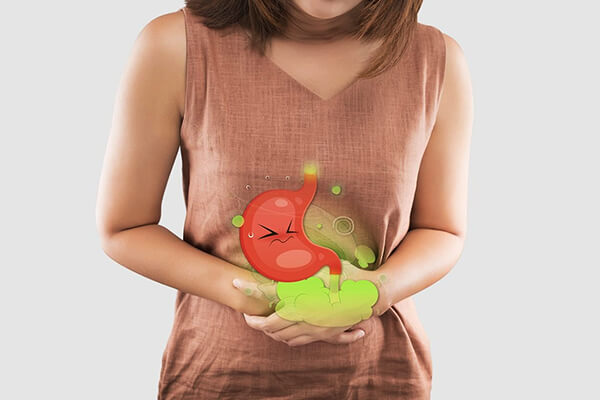
Gas buildup in the stomach can cause pressure, bloating, sharp cramping, and even chest discomfort. While it’s usually harmless, trapped gas can feel intense and frustrating—especially if it won’t pass naturally. The good news is, …
How to release gas from the stomach?
July 7, 2025
Gas buildup in the stomach can cause pressure, bloating, sharp cramping, and even chest discomfort. While it’s usually harmless, trapped gas can feel intense and frustrating—especially if it won’t pass naturally. The good news is, there are several safe, effective ways to relieve it right at home.
These simple remedies can help release gas from your digestive tract and reduce bloating so you can feel comfortable again.
What causes gas buildup in the stomach
Everyone produces gas as part of digestion, but excess air in the stomach or intestines can come from:
- Swallowing air while eating, drinking, or chewing gum
- Eating too quickly
- Carbonated drinks
- High-fiber foods that ferment during digestion (like beans, lentils, cabbage)
- Food intolerances (like lactose or gluten)
- Bacterial imbalance or digestive conditions such as IBS
Ways to release gas from the stomach
- Gentle movement
Walking around helps stimulate digestion and encourages trapped gas to move through the intestines. Light stretching or yoga poses like child’s pose or knees-to-chest can also help relieve pressure. - Apply warmth
A heating pad or warm compress placed over your abdomen can relax intestinal muscles, ease cramping, and help gas escape more comfortably. - Try abdominal massage
Using circular motions, massage your stomach from right to left (the direction of your colon) to help move gas along. This is especially helpful if your bloating feels stuck in the upper abdomen. - Use OTC remedies
Over-the-counter anti-gas medications like simethicone (Gas-X, Mylanta Gas) help break up gas bubbles in the stomach and intestines. They’re fast-acting and generally safe when used as directed. - Sip warm fluids
Drinking warm water or non-carbonated herbal teas like peppermint, ginger, or chamomile can soothe your digestive tract and help gas move naturally. - Adjust your position
Try lying on your left side or bringing your knees to your chest while lying on your back. These positions encourage gas to flow through your intestines and relieve trapped air. - Avoid trigger foods temporarily
If you’re prone to bloating, limit beans, dairy, carbonated drinks, onions, and cruciferous vegetables like broccoli and cauliflower until symptoms improve.
What to avoid when you’re bloated
- Chewing gum or drinking through straws (can cause more swallowed air)
- Tight clothing around the waist
- Lying completely flat after eating
- Large, heavy meals that slow digestion
- Artificial sweeteners like sorbitol, which are hard to digest and cause gas in many people
When to see urgent care for gas pain
Gas pain that is occasional and improves with movement or rest is usually not serious. However, see a provider if you experience:
- Severe abdominal cramping
- Gas pain that lasts longer than a day
- Bloating with constipation or no bowel movement
- Fever, vomiting, or blood in stool
- Sharp pain under the ribs or in the chest that doesn’t go away
- Pain during pregnancy
Urgent care can help rule out conditions like bowel obstruction, gallstones, or food intolerances and may order labs or imaging if needed.
Helpful tip
Keep a food diary to track what you eat and when bloating occurs. You may notice patterns that point to sensitivities like dairy or gluten that can be addressed through diet.
Final thought
Gas buildup can be uncomfortable, but with the right home remedies—like gentle movement, warm fluids, and anti-gas aids—you can often find quick relief. If symptoms linger or feel more severe than usual, getting checked out by urgent care can help you feel better fast and rule out anything serious.
If symptoms get worse or don’t improve, visit your local urgent care provider for professional evaluation.
Hey Did You Know We Have an IV Therapy Spa Inside? Check out our drip menu!



















