
If you’ve ever gone to bed with a bloated stomach or trapped gas, you know how uncomfortable it can be. The good news is that the position you sleep in can make a big difference. …
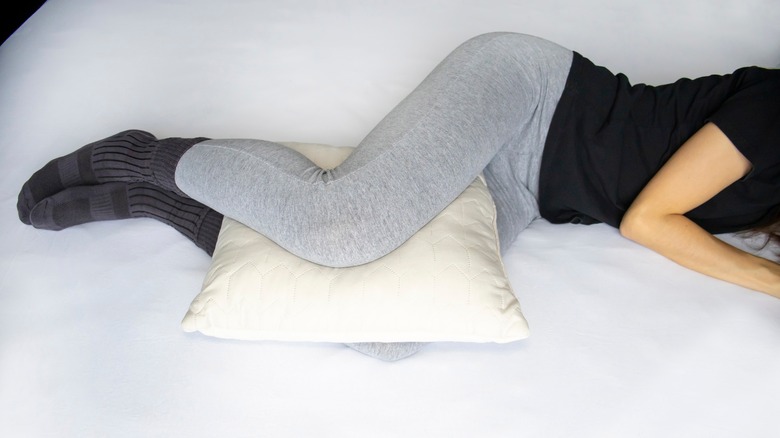
What sleeping position relieves gas?
July 7, 2025
If you’ve ever gone to bed with a bloated stomach or trapped gas, you know how uncomfortable it can be. The good news is that the position you sleep in can make a big difference. Certain sleeping positions naturally support digestion, reduce gas buildup, and make it easier for your body to pass trapped air—sometimes while you sleep.
Choosing the right posture at night can help you wake up feeling less bloated and more comfortable.
Best sleeping positions for gas relief
- Sleep on your left side
This is widely considered the best sleeping position for digestion and gas relief. Why? Your stomach and colon sit more naturally on the left side of your body. When you lie on your left:- Gravity helps food and gas move through the digestive tract
- Your stomach contents drain more easily into the small intestine
- Gas bubbles are more likely to move into the descending colon and exit
Many people find that gas passes more easily during the night or first thing in the morning when they sleep in this position.
- Try the fetal position (on your left side)
Curling your knees gently toward your chest while on your left side can help stretch the lower back and relieve pressure on the abdomen. This pose helps open up space in your intestines, making it easier for gas to move through. - Elevate your upper body slightly
If bloating comes with acid reflux or indigestion, try sleeping with your upper body raised 6 to 8 inches using a wedge pillow or adjustable bed. This position:- Keeps acid down in your stomach
- Helps prevent pressure buildup
- Can reduce nighttime bloating and gas
- Knees-to-chest variation (before bed)
While not a sleeping position, lying on your back and slowly pulling your knees to your chest for a minute or two can help release trapped gas before you settle in for the night.
Positions to avoid when gassy
- Sleeping flat on your back
This may worsen bloating for some people by trapping gas in the middle abdomen, especially if you’ve eaten recently. - Sleeping on your right side
This position can slow digestion by putting pressure on your stomach and esophagus, potentially worsening reflux or bloating. - Sleeping on your stomach
This may seem like it presses the gas out, but it can put too much pressure on your organs, cause back strain, and make digestion less efficient.
Other tips to reduce gas at night
- Eat slowly and avoid large meals close to bedtime
- Limit gas-producing foods in the evening (like beans, dairy, onions, or soda)
- Avoid chewing gum or drinking through straws, which increase swallowed air
- Go for a gentle walk after dinner to help digestion
- Try peppermint or ginger tea before bed
- Do light abdominal massage to help release gas
When to see urgent care
Gas and bloating are normal from time to time, but seek medical attention if you notice:
- Sharp, ongoing abdominal pain
- Severe bloating with no gas or bowel movement
- Nausea or vomiting
- Fever with abdominal discomfort
- Blood in your stool or dark, tarry stools
Urgent care can evaluate your symptoms, provide relief options, and rule out any serious digestive conditions.
Final thought
Sleeping on your left side is the most effective position for relieving gas and supporting digestion overnight. Pair it with light evening movement and smart food choices to avoid nighttime bloating altogether. If gas continues to disrupt your rest or becomes painful, it’s worth getting checked by a medical provider.
If symptoms get worse or don’t improve, visit your local urgent care provider for professional evaluation.
Hey Did You Know We Have an IV Therapy Spa Inside? Check out our drip menu!
abdominal gasbedtime gas remediesbest sleep for bloatingdigestive relieffetal position gas reliefgas discomfortgas pain at nightgas while sleepinghow to sleep with gasleft side sleep digestionnatural gas reliefreduce bloatingsleep posture tipssleeping position for gasstomach bloating tipsstomach pressuretrapped gasurgent care



















