
A bulge in your upper abdomen can feel unsettling—especially if it seems to come and go, or if it’s paired with discomfort or pressure. In many cases, it’s related to digestive bloating or gas buildup, …
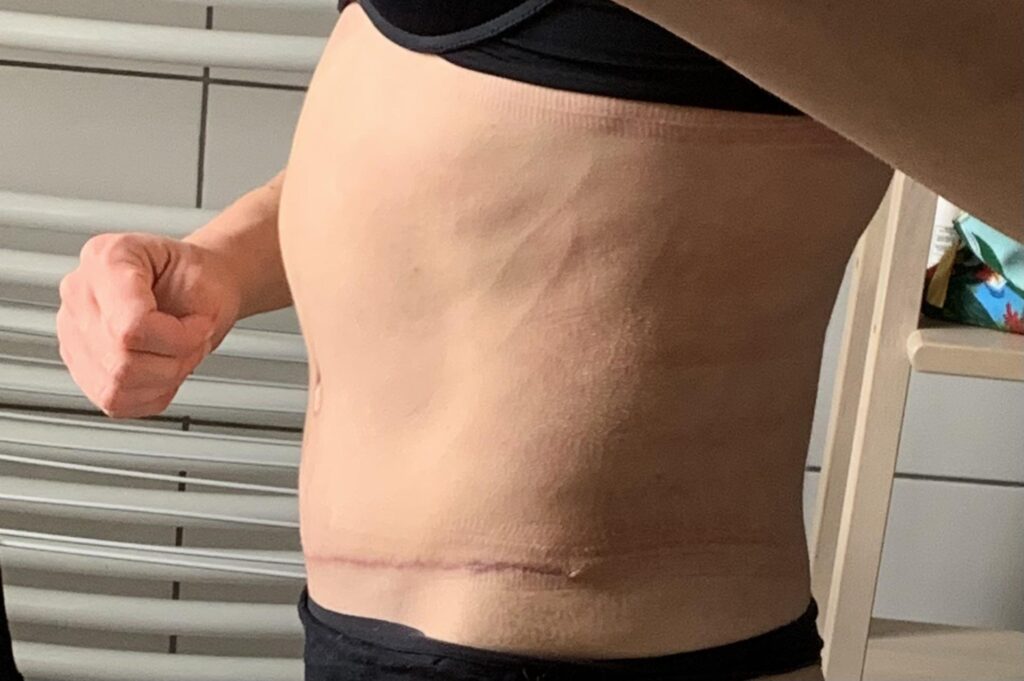
Why does my upper abdomen bulge out?
July 8, 2025
A bulge in your upper abdomen can feel unsettling—especially if it seems to come and go, or if it’s paired with discomfort or pressure. In many cases, it’s related to digestive bloating or gas buildup, but persistent or noticeable bulging may indicate a deeper issue, like a hernia, muscle separation, or an enlarged organ.
Understanding the most common causes can help you decide whether it’s something you can manage at home—or something that needs a professional evaluation.
Common reasons for an upper abdominal bulge
- Bloating or gas buildup
The most frequent reason for a temporary bulge is trapped gas or bloating. This can occur after eating large meals, swallowing air, or consuming gassy foods like beans, onions, or carbonated drinks. The swelling often fluctuates and improves after passing gas or having a bowel movement. - Overeating or slow digestion
If your stomach empties slowly (a condition called gastroparesis), it may remain visibly full and distended longer than normal. Heavy meals or fatty foods can worsen this effect, especially in the upper abdomen. - Hernia (epigastric or hiatal)
A hiatal hernia occurs when part of the stomach pushes up through the diaphragm into the chest. It can cause a firm upper abdominal bulge along with symptoms like reflux, heartburn, or chest discomfort.
An epigastric hernia happens when fat or tissue pushes through a weak spot in the abdominal muscles between the belly button and chest, forming a noticeable lump. - Diastasis recti
This is a separation of the abdominal muscles, often seen after pregnancy or significant weight changes. It can lead to a bulging appearance in the mid- to upper abdomen, especially when straining or sitting up. - Enlarged organs
A swollen liver, stomach, or pancreas due to infection, inflammation, or organ disease can create visible bulging in the upper stomach area. This is less common but more serious. - Abdominal wall strain or weakness
Muscle strain or injury from lifting heavy objects or repeated abdominal exercises can cause local swelling and mild bulging. This usually improves with rest and gentle care. - Ascites (fluid buildup)
In rare cases, fluid accumulation in the abdomen due to liver or heart disease can cause generalized swelling, including in the upper abdomen.
When to seek urgent care
Visit urgent care if your upper abdominal bulge is accompanied by:
- Pain, tenderness, or burning sensation
- Nausea, vomiting, or fever
- Constipation or inability to pass gas
- Sudden swelling that doesn’t go down
- A firm or growing lump in the abdomen
- Difficulty breathing or chest pressure
These symptoms may indicate a hernia complication, organ issue, or intestinal blockage—and prompt medical evaluation is essential.
At-home relief for mild bloating or gas-related bulging
- Avoid carbonated drinks and gas-producing foods
- Eat smaller meals and chew slowly
- Try warm herbal teas like peppermint or ginger
- Massage your abdomen in a clockwise motion
- Use a heating pad for comfort
- Try simethicone (Gas-X) or activated charcoal
Final thought
A bulge in your upper abdomen could be something as simple as gas—or a sign of something more significant like a hernia or muscle separation. Pay attention to your symptoms, monitor how long the bulge lasts, and don’t hesitate to get checked if you’re unsure. Your body is telling you something—listen to it.
If symptoms get worse or don’t improve, visit your local urgent care provider for professional evaluation.
Hey Did You Know We Have an IV Therapy Spa Inside? Check out our drip menu!
abdominal discomfortabdominal gasabdominal massageabdominal wall weaknessbloating vs herniadiastasis rectienlarged liverepigastric herniagastroparesishiatal hernia symptomsIV therapy Miamimuscle separationsimethicone for gasstomach swellingtrapped windupper abdomen bulgeupper stomach pressureurgent care for bloatingwhen to see urgent care



















