
Many women notice that their stomach appears to “stick out” more as they get older—even if their overall weight hasn’t changed much. While it can feel frustrating or confusing, this change is completely normal and …
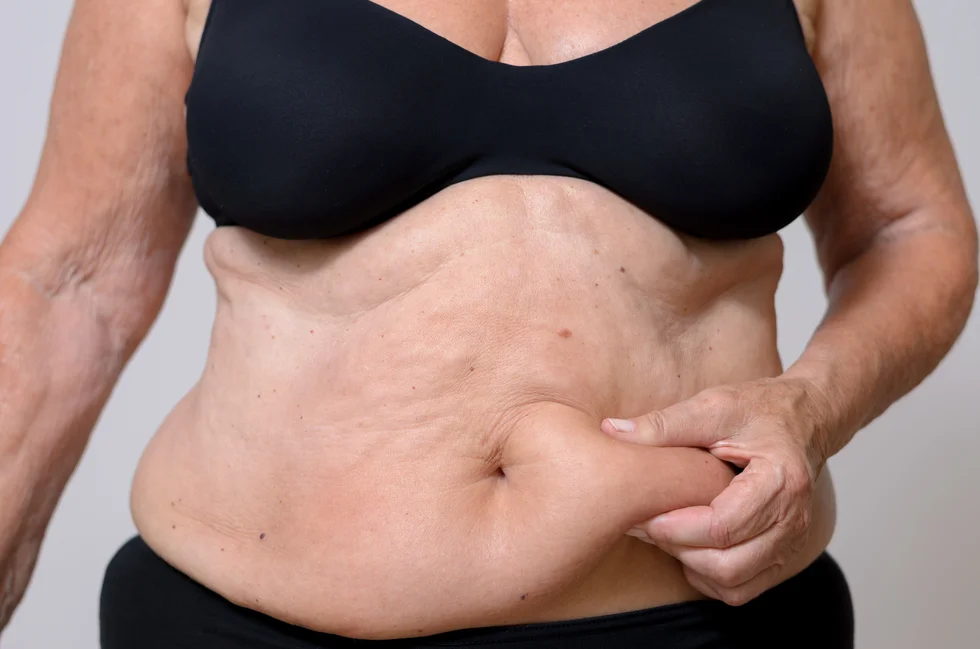
Why do older women’s stomachs stick out?
July 8, 2025
Many women notice that their stomach appears to “stick out” more as they get older—even if their overall weight hasn’t changed much. While it can feel frustrating or confusing, this change is completely normal and typically results from a combination of hormonal, muscular, digestive, and structural shifts that happen over time.
Understanding the most common causes of abdominal protrusion in older women can help separate normal age-related changes from issues that might need medical attention.
Most common reasons older women develop belly bulge
- Hormonal changes after menopause
Estrogen levels naturally drop with age, especially after menopause. This hormonal shift causes fat distribution to change—leading to increased fat around the abdomen, even if you’re eating and exercising the same as before. - Loss of muscle tone (sarcopenia)
Aging causes gradual loss of muscle mass, especially in the core and abdominal wall. Weaker abdominal muscles mean less support for internal organs, which can cause the stomach to appear more prominent or distended. - Slower digestion and bloating
As the digestive system slows down, food takes longer to move through the gut. This can lead to increased gas, bloating, and a sense of fullness, especially after meals. - Postural changes and spinal curvature
With age, spinal alignment may shift due to bone loss, weakened back muscles, or disc degeneration. A more curved spine or forward-leaning posture can push the abdomen outward, even without added fat. - Diastasis recti (muscle separation)
Some women, especially after pregnancy, develop a separation of abdominal muscles that may not fully resolve. This condition can become more noticeable later in life, especially if core strength isn’t maintained. - Weight gain and lifestyle habits
Reduced physical activity, changes in metabolism, and less energy expenditure can gradually lead to visceral fat buildup in the belly area over time. - Medical issues like fibroids, hernias, or fluid retention
In some cases, a belly that sticks out could be a sign of an underlying issue like uterine fibroids, an umbilical or abdominal hernia, or even fluid buildup (ascites) related to liver or heart problems. These are less common but important to rule out if changes are sudden or severe.
How to reduce or manage belly bulge
- Engage in regular core-strengthening exercises like planks, yoga, or pilates
- Eat smaller meals to reduce bloating and improve digestion
- Avoid carbonated drinks and foods that cause gas
- Improve posture with stretching and back exercises
- Stay hydrated and include plenty of fiber in your diet
- Consider hormone support therapy only under a doctor’s supervision
When to see urgent care
See a medical provider if your belly:
- Suddenly grows in size or becomes firm
- Comes with pain, vomiting, or nausea
- Is associated with shortness of breath or fatigue
- Appears with a visible lump or hernia
- Involves changes in bowel movements, bleeding, or weight loss
Urgent care can perform a physical exam, order imaging if necessary, and determine if the abdominal swelling is harmless—or something that needs treatment.
Final thought
A stomach that sticks out in older women is often the result of natural aging, hormonal shifts, and changes in muscle tone and posture. While usually harmless, it can be frustrating. Staying active, eating well, and maintaining strong core muscles can help reduce its appearance—and if you’re ever unsure, a quick visit to urgent care offers peace of mind.
If symptoms get worse or don’t improve, visit your local urgent care provider for professional evaluation.
Hey Did You Know We Have an IV Therapy Spa Inside? Check out our drip menu!
abdominal changes agingabdominal posture changesaging and digestionbelly fat after 50bloating reliefcore muscle lossdiastasis rectiestrogen and belly fatflatulence aginghernia in older womenhormonal weight gainIV therapy Miamimenopause bellymidlife bellyolder women belly bulgepostmenopausal weight gainstomach sticks out with ageurgent care for bloatingvisceral fat



















