
"Endo belly" is a term used to describe the painful, intense bloating that many people with endometriosis experience. Unlike regular gas or digestive bloating, endo belly is often sudden, severe, and visually noticeable, sometimes making …
What is an endo belly?
July 8, 2025
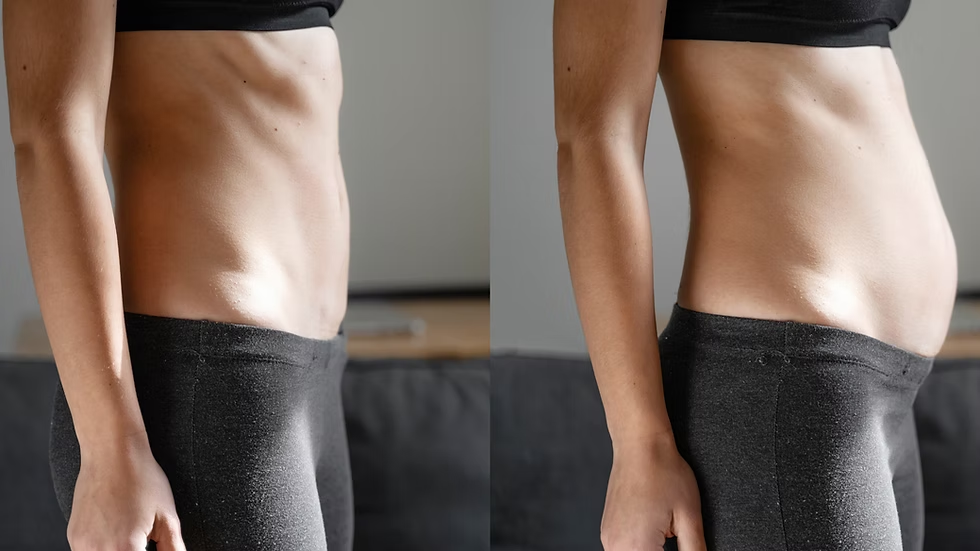
“Endo belly” is a term used to describe the painful, intense bloating that many people with endometriosis experience. Unlike regular gas or digestive bloating, endo belly is often sudden, severe, and visually noticeable, sometimes making the abdomen swell so much it mimics pregnancy.
It can cause significant discomfort, make clothes feel tight or unwearable, and interfere with daily activities. The bloating may last hours or even days and isn’t always linked to what you eat. Instead, it’s triggered by hormonal shifts, inflammation, and digestive slowdowns related to endometriosis.
What does endo belly feel like?
- A swollen, tight abdomen—especially in the lower or middle belly
- Sudden bloating that may get worse throughout the day
- Sharp or crampy pelvic pain
- Gas, constipation, or bowel changes
- Pressure that makes standing or bending uncomfortable
- Tenderness or pain when pressing on the belly
What causes endo belly?
- Inflammation from endometriosis
Endometriosis causes tissue similar to the uterine lining to grow outside the uterus. These growths bleed and inflame nearby tissues during your cycle, leading to pelvic swelling and pressure that can extend into the abdomen. - Hormonal fluctuations
Around ovulation or menstruation, estrogen and progesterone levels shift, which can affect digestion, fluid retention, and trigger endo-related flare-ups. - Digestive issues (IBS, constipation)
Many people with endometriosis also deal with irritable bowel syndrome (IBS) or slow digestion, which makes bloating and gas worse. Trapped gas can intensify the pressure from inflammation. - Pelvic floor tension or spasms
Chronic pelvic pain and inflammation can cause the muscles in your pelvic floor and abdomen to tighten or spasm, which worsens the bloated, painful sensation. - Scar tissue or adhesions
Endometriosis can cause scar tissue to form around the intestines or pelvic organs, limiting their movement and slowing digestion—leading to persistent bloating.
How is endo belly different from regular bloating?
| Regular Bloating | Endo Belly |
|---|---|
| Often food-related | Often hormonal or inflammatory |
| Mild to moderate | Severe, painful, and visible |
| Improves with gas relief | May last for days despite remedies |
| Rarely linked to menstrual cycle | Closely tied to period or ovulation |
How to manage endo belly symptoms
- Apply heat to your lower abdomen to relax muscles and ease cramping
- Try peppermint or ginger tea to reduce bloating and soothe digestion
- Use anti-inflammatory foods (like turmeric, leafy greens, and berries)
- Wear loose clothing on flare-up days
- Keep a cycle and symptom journal to track patterns
- Ask your provider about hormonal treatments, pelvic physical therapy, or pain management options
When to visit urgent care
Endo belly can sometimes mimic serious conditions. Seek medical care if you experience:
- Severe or unrelenting abdominal pain
- Vomiting or inability to pass stool or gas
- Painful bowel movements or urination
- Abdominal swelling that appears suddenly and doesn’t go away
- Symptoms that interfere with sleep or daily functioning
Urgent care providers can help rule out infection, intestinal issues, or other complications—and provide relief if you’re in distress.
Final thought
Endo belly is a frustrating and often misunderstood symptom of endometriosis. It’s more than just bloating—it’s a painful, physical signal that inflammation and hormone imbalances are at play. If it’s affecting your quality of life, don’t brush it off—there are ways to manage it, and medical care is always available if needed.
If symptoms get worse or don’t improve, visit your local urgent care provider for professional evaluation.
Hey Did You Know We Have an IV Therapy Spa Inside? Check out our drip menu!
abdominal swellingchronic bloatingdigestive discomfortendo bellyendometriosis bloatingendometriosis symptomshormonal bloatinghormonal digestive issuesIBS and endometriosisinflammation reliefIV therapy Miamipainful bloatingpelvic inflammationpelvic painpelvic pressureperiod bloatingswollen stomachtender abdomenurgent care for bloating



















