Ozempic (semaglutide) is FDA-approved for Type 2 diabetes, but many healthcare providers also prescribe it off-label for weight loss due to its powerful appetite-suppressing effects. To qualify, you must meet certain medical criteria, and your …
How do I qualify for Ozempic for weight loss?
July 8, 2025
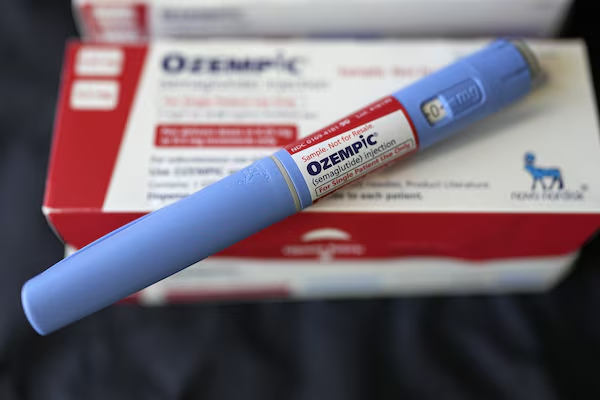
Ozempic (semaglutide) is FDA-approved for Type 2 diabetes, but many healthcare providers also prescribe it off-label for weight loss due to its powerful appetite-suppressing effects. To qualify, you must meet certain medical criteria, and your provider must assess if it’s appropriate for you.
Here’s what you need to know to qualify for Ozempic for weight loss—whether through urgent care, a weight loss clinic, or your primary care provider.
1. You must meet BMI and health condition requirements
Even for off-label use, providers typically follow guidelines similar to those used for Wegovy (the weight loss version of semaglutide). You may qualify if:
- You have a Body Mass Index (BMI) of 30 or higher (classified as obese), or
- You have a BMI of 27 or higher with at least one weight-related condition, such as:
- High blood pressure
- High cholesterol
- Type 2 diabetes or insulin resistance
- Sleep apnea
- PCOS
- Fatty liver
You don’t need a diabetes diagnosis to qualify for Ozempic when prescribed off-label for weight loss.
2. You need a medical evaluation and prescription
Ozempic is not an over-the-counter drug. You must get a prescription from a licensed provider who will evaluate your:
- Weight history and BMI
- Blood pressure and labs (glucose, A1C, lipids)
- Medical history (including heart conditions, thyroid disease, or pancreatitis)
- Current medications and risks
This can be done at an urgent care center or medical weight loss clinic, often with same-day evaluations and treatment plans.
3. You must be willing to follow a monitored weight loss plan
Qualified providers won’t prescribe Ozempic casually. They’ll require you to follow a medically supervised plan that includes:
- Nutritional counseling
- Physical activity guidance
- Regular check-ins (monthly or bi-monthly)
- Monitoring for side effects (nausea, fatigue, etc.)
These safety steps are especially important because semaglutide can affect appetite, digestion, and blood sugar.
4. Insurance may not cover it for weight loss
Because Ozempic is FDA-approved only for Type 2 diabetes, most insurance plans won’t cover it for weight loss alone. This means:
- You’ll likely pay full cash price ($900–$1,200/month) at most pharmacies
- You cannot use the official Ozempic savings card for off-label use
- Some clinics offer compounded semaglutide for $250–$400/month as an alternative
If you’re interested in semaglutide specifically for weight loss, ask your provider about Wegovy, which is approved for that purpose and may be covered by insurance.
5. Who should NOT use Ozempic
You may not qualify if you have:
- A personal or family history of medullary thyroid cancer
- Multiple endocrine neoplasia syndrome type 2 (MEN 2)
- A history of pancreatitis
- Severe gastrointestinal issues or gallbladder disease
- Current pregnancy or breastfeeding
Your provider will rule out these conditions during your consultation to ensure it’s safe for you.
Final thought
To qualify for Ozempic for weight loss, you typically need a BMI of 27+ with a health condition or 30+ without, and a provider must determine it’s safe based on your full health profile. If you meet the criteria, urgent care clinics or weight loss centers can often start treatment right away—even if insurance won’t cover it.
If symptoms get worse or don’t improve, visit your local urgent care provider for professional evaluation.
Hey Did You Know We Have an IV Therapy Spa Inside? Check out our drip menu!
best weight loss programBMI 30 ozempicBMI requirements for ozempiccompounded semaglutideGLP-1 medication MiamiMiami weight loss medicationozempic consultation urgent careOzempic for weight lossozempic off-label useozempic prescription guideozempic vs wegovy eligibilityozempic without diabetesqualify for ozempicsemaglutide eligibilityurgent care ozempic programweight loss drug requirementsweight loss with ozempicweight-related conditionswho can take ozempic