A bluish or grayish tint to the skin, called cyanosis, is one of the clearest signs of low oxygen levels in the blood (a condition called hypoxia). This discoloration often shows up first in the …
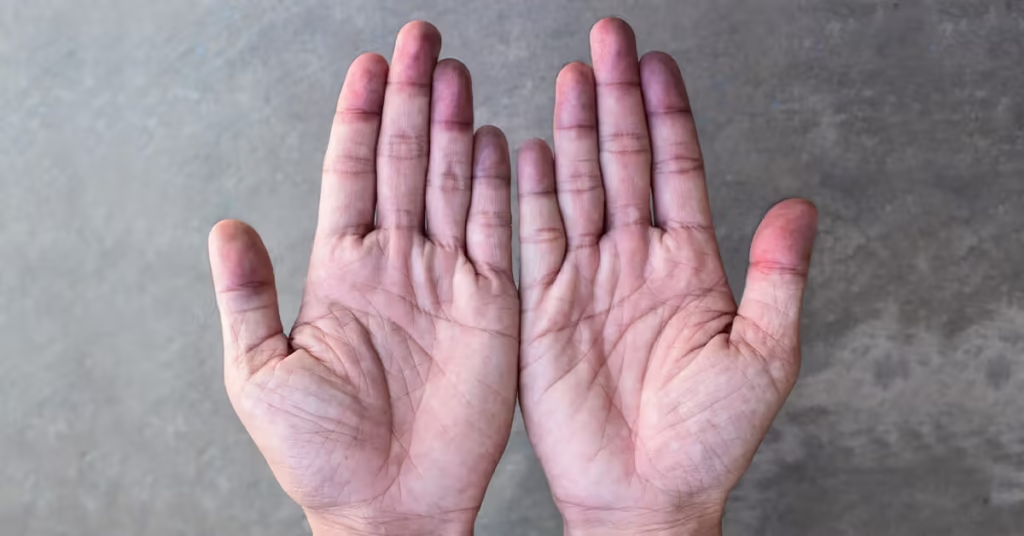
Which skin color indicates a loss of oxygen?
July 8, 2025
A bluish or grayish tint to the skin, called cyanosis, is one of the clearest signs of low oxygen levels in the blood (a condition called hypoxia). This discoloration often shows up first in the lips, fingertips, toes, or face and should never be ignored—especially if it appears suddenly or worsens over time.
1. Cyanosis = low oxygen in the blood
When your red blood cells carry less oxygen than normal, they become darker. As this dark blood flows through the skin’s small vessels, it can make the skin appear:
- Bluish or purplish
- Grayish or ashen (in darker skin tones)
- Especially visible in nail beds, lips, tongue, and ears
This bluish tint is known as central or peripheral cyanosis, depending on where it shows up.
2. Types of cyanosis to know
- Central cyanosis
- Affects the lips, tongue, and face
- Usually signals a serious drop in oxygen levels in the blood
- Can be due to lung disease, heart failure, or airway blockage
- Peripheral cyanosis
- Seen in fingers, toes, hands, or feet
- Caused by reduced blood flow or poor circulation, not always a lung issue
- Can occur from cold exposure, heart issues, or shock
Both types require medical attention if they’re sudden, persistent, or accompanied by breathing trouble.
3. Skin color changes by skin tone
Cyanosis can look different depending on your natural skin tone:
- Light skin: Blue or purple tinge in lips, cheeks, fingers
- Medium or olive skin: Lips may look purplish-gray; fingertips may appear dusky
- Dark skin: Look for color change in gums, tongue, lips, or nail beds rather than the skin surface
Don’t rely on skin tone alone—changes in breathing, behavior, or heart rate are just as important.
4. Other signs of low oxygen (hypoxia)
Besides a change in skin color, watch for:
- Shortness of breath
- Rapid or shallow breathing
- Confusion or dizziness
- Cold or clammy skin
- Chest tightness
- Rapid heart rate
Use a pulse oximeter if available. Readings below 90% suggest significant oxygen deprivation and need medical evaluation.
5. When to seek help
Go to urgent care if you notice:
- A bluish tint that appears gradually
- Color changes in fingers, toes, or lips along with mild breathing changes
- Lightheadedness or fatigue with slight skin discoloration
Go to the ER or call 911 if:
- Lips or tongue turn blue suddenly
- Breathing is labored or gasping
- The person becomes confused or unresponsive
Final thought
A bluish, purplish, or grayish skin tone—especially around the lips, nails, or face—is a key sign of oxygen deficiency. Known as cyanosis, it signals that the blood isn’t carrying enough oxygen to the tissues. If you notice this change in yourself or someone else, don’t ignore it—seek urgent or emergency care immediately.
If symptoms get worse or don’t improve, visit your local urgent care provider for professional evaluation.
Hey Did You Know We Have an IV Therapy Spa Inside? Check out our drip menu!
blue fingernails meaningblue lips causecentral cyanosiscyanosis symptomsdusky skin tonehypoxia skin coloroxygen deficiency signsoxygen low in bloodoxygen trouble skin colorpale skin and low oxygenperipheral cyanosissigns of hypoxia in adultsskin color low oxygenurgent care breathing issuesurgent care oxygen levelswhen to worry blue lips