When your circulation is poor, your skin may change color due to reduced blood flow and oxygen delivery to the tissues. Depending on the severity and cause, you might notice skin that appears: These changes …
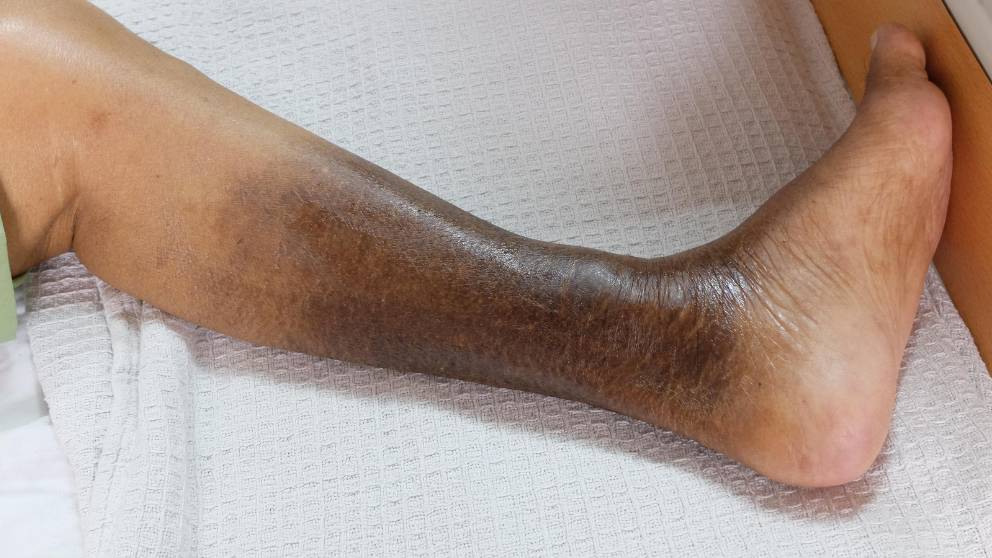
What color is skin with poor circulation?
July 8, 2025
When your circulation is poor, your skin may change color due to reduced blood flow and oxygen delivery to the tissues. Depending on the severity and cause, you might notice skin that appears:
- Pale or ashy
- Bluish or purplish (cyanosis)
- Reddish or blotchy
- Shiny or discolored in patches
These changes are not just cosmetic—they’re signs that blood isn’t reaching parts of the body efficiently, and they often show up first in the hands, feet, or lower legs.
1. Pale or ashen skin
This is often the first sign of poor circulation. Blood vessels constrict, or blood flow is limited, reducing color in the skin.
- Common in cold environments or during stress
- May affect fingers, toes, or face
- Can be more noticeable in lighter skin tones
- In darker skin, the area may look gray or dull instead of pale
2. Bluish or purplish skin (cyanosis)
When oxygen levels drop in your tissues, blood turns darker, and the skin can take on a blue or purple hue.
- Usually seen in fingertips, lips, toes, ears, or nose
- A sign that oxygen is not reaching the skin properly
- May indicate conditions like Raynaud’s, heart disease, or peripheral artery disease (PAD)
This discoloration often worsens in cold temperatures or when the body is under stress.
3. Reddish or blotchy skin
If poor circulation is intermittent, the skin may alternate between pale and red or blotchy, especially as blood flow returns.
- May feel warm, tingling, or burning as circulation changes
- Can signal inflammatory responses or a condition like chilblains
- May occur in people with diabetes or vascular disease
4. Shiny, tight, or discolored patches
Long-term poor circulation can cause the skin to:
- Appear thin, tight, or shiny
- Show brown, red, or purple discoloration
- Feel cooler to the touch than other areas
- Be more prone to sores or slow-healing wounds
These are common signs in people with chronic venous insufficiency or PAD.
5. When to see a provider
Visit urgent care if you notice:
- Persistent coldness in fingers or toes
- New or worsening skin discoloration
- Tingling, numbness, or cramping in your limbs
- Sores or ulcers that aren’t healing
Seek emergency care if skin changes come with:
- Chest pain or difficulty breathing
- Sudden numbness or weakness on one side
- Severe leg pain or swelling
These may signal a serious circulatory blockage or clot.
Final thought
Skin color can be a powerful indicator of circulation health. Whether your skin looks pale, blue, blotchy, or shiny, these changes may mean blood isn’t flowing properly to certain parts of your body. Don’t ignore it—early attention can prevent more serious complications like tissue damage or infection.
If symptoms get worse or don’t improve, visit your local urgent care provider for professional evaluation.
Hey Did You Know We Have an IV Therapy Spa Inside? Check out our drip menu!
blood flow skin changesblue toes poor blood flowcirculation warning signscold limbs discolorationcyanosis symptomsearly signs poor circulationlow oxygen skin tonepale hands and feetpoor circulation skin colorred blotchy skin legsshiny skin legssigns of PADurgent care for poor circulationvascular skin issueswhen to worry skin color