
A vitamin B12 deficiency can affect many parts of your body—including your nails. Because nails grow slowly and reflect long-term health, subtle changes like discoloration, brittleness, or ridging may offer early clues that your body …
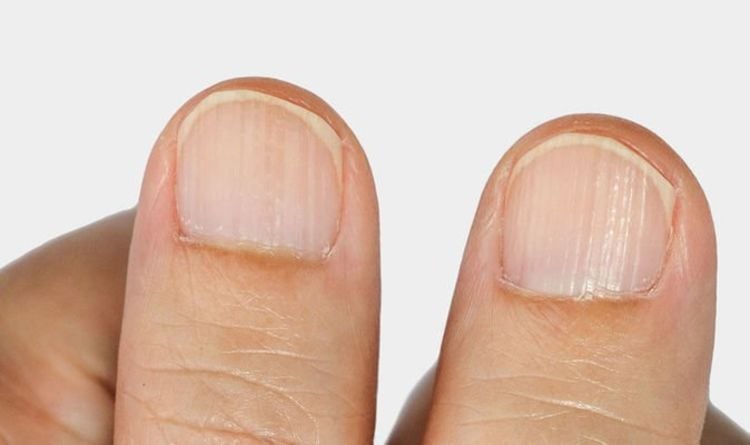
What do B12 deficiency nails look like?
July 8, 2025
A vitamin B12 deficiency can affect many parts of your body—including your nails. Because nails grow slowly and reflect long-term health, subtle changes like discoloration, brittleness, or ridging may offer early clues that your body isn’t getting enough B12.
If you’ve noticed unusual changes in your nails along with fatigue or tingling, it’s worth exploring whether B12 could be part of the cause.
1. Darkened or bluish nails
People with B12 deficiency may notice a bluish or brownish tint to their nails or nail beds, especially toward the tips.
- Nail beds may appear pale or bluish-purple
- The color change is often due to poor oxygenation or altered melanin production
- More visible in darker skin tones
This may look similar to cyanosis but without the urgent breathing symptoms.
2. Hyperpigmentation
B12 deficiency can lead to melanin buildup, causing dark streaks or spots on the nails (and sometimes on the palms or knuckles).
- Most common in darker-skinned individuals
- May appear as longitudinal brown or black bands
- Can affect one or more nails
These streaks are usually harmless, but any new nail streak should be checked to rule out melanoma.
3. Brittle or spoon-shaped nails (koilonychia)
B12 deficiency, especially when paired with iron deficiency, may cause nails to:
- Become thin and break easily
- Appear flat or concave (like a spoon)
- Split or peel at the ends
These nails can also feel soft and bendable instead of firm.
4. Nail ridges
Vertical or horizontal ridges on the nails may also signal nutritional deficiencies, including low B12.
- Vertical ridges are common and not always a concern
- Horizontal ridges (Beau’s lines) can indicate interrupted nail growth due to illness or deficiency
- Often appear mid-nail and grow out over time
5. Delayed nail growth and thinning
A lack of B12 can slow the production of healthy red blood cells, leading to:
- Slower nail growth
- Nails that feel thinner than usual
- An increased tendency for nails to chip or split
These changes are often subtle but noticeable over several weeks or months.
When to see a provider
Visit urgent care or your primary care provider if you notice:
- Persistent changes in nail color, shape, or strength
- Fatigue, dizziness, or tingling in the hands and feet
- Pale skin, shortness of breath, or difficulty concentrating
A simple blood test can confirm a B12 deficiency, and early treatment can prevent long-term complications.
Final thought
Your nails are more than cosmetic—they reflect your internal health. If you’ve spotted discoloration, brittleness, ridges, or dark streaks, especially alongside other symptoms, it might be time to check your vitamin B12 levels. Deficiency is often easy to correct but important not to ignore.
If symptoms get worse or don’t improve, visit your local urgent care provider for professional evaluation.
Hey Did You Know We Have an IV Therapy Spa Inside? Check out our drip menu!



















