
When your heart can’t pump blood efficiently, it causes circulation problems that often show up in the lower legs, ankles, and feet. These changes can be one of the earliest visible signs of heart failure, …
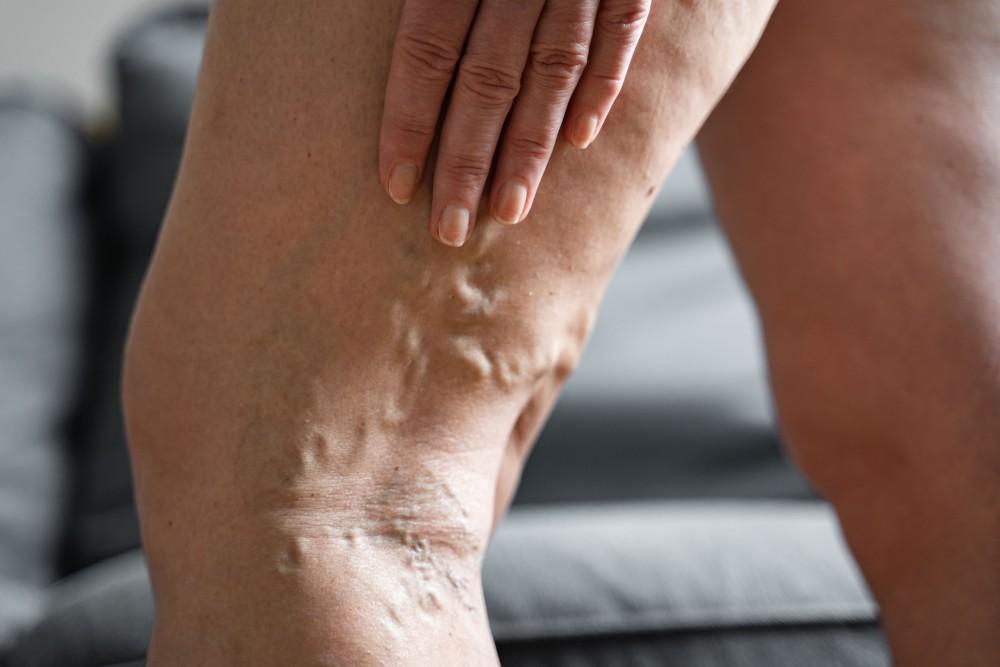
What do your legs look like with heart failure?
July 8, 2025
When your heart can’t pump blood efficiently, it causes circulation problems that often show up in the lower legs, ankles, and feet. These changes can be one of the earliest visible signs of heart failure, especially in its early or moderate stages. Knowing what to look for may help you catch it sooner and avoid complications.
1. Swelling in the legs and ankles (edema)
One of the most common signs of heart failure is fluid buildup, especially in the lower extremities.
- Legs, ankles, or feet appear puffy or bloated
- Socks leave deep marks in the skin
- Swelling is usually worse in the evening or after sitting for long periods
- May affect both legs equally
This swelling happens because the heart can’t keep up with the body’s demands, causing fluid to back up in the veins.
2. Shiny or stretched skin
As fluid builds under the skin, the skin on your legs may look:
- Smooth, tight, or glassy
- Slightly reddish or pale
- Sensitive to touch or even itchy
If you press on the swollen area, it may leave a dent or pit that lasts for a few seconds—this is called pitting edema.
3. Skin discoloration
Poor circulation from heart failure can cause the skin of your legs to:
- Turn reddish, purple, or bluish
- Appear darker around the ankles
- Develop brown patches from chronic blood pooling
- Look pale or mottled if circulation is severely reduced
These changes are especially noticeable around the shins, ankles, or inner calves.
4. Heaviness or aching
People with heart failure often describe their legs as feeling:
- Heavy, tired, or weak
- Dull aching or pressure after minimal activity
- Hard to elevate or walk with
This is due to poor return of blood from the legs back to the heart.
5. Slow-healing sores or skin changes
In advanced cases, you might notice:
- Wounds or ulcers on the legs that take weeks to heal
- Dry, scaly, or peeling skin
- Risk of cellulitis or infection from broken skin
These are signs that circulation is significantly impaired and should not be ignored.
When to seek urgent care or emergency help
Visit urgent care if you notice:
- Persistent or worsening leg swelling
- New changes in skin color or temperature
- Fatigue, shortness of breath, or palpitations along with leg symptoms
Go to the ER immediately if you experience:
- Severe leg swelling with chest pain or difficulty breathing
- Signs of blood clots, like one swollen leg that’s red and painful
- Skin that is hot, shiny, and rapidly changing in color or size
Final thought
Your legs can tell you a lot about your heart. If they look puffy, shiny, discolored, or feel heavy and tired, it may be more than just fatigue—it could be a sign of heart failure. Catching it early helps you manage it better and protect your long-term health.
If symptoms get worse or don’t improve, visit your local urgent care provider for professional evaluation.
Hey Did You Know We Have an IV Therapy Spa Inside? Check out our drip menu!
ankle swelling from heart failureedema signs heartfluid retention in legsheart disease legsheart failure legsheart failure symptoms legsleg discoloration heartleg heaviness and heartleg ulcers heart conditionpitting edemapoor circulation legsshiny legs swellingshiny skin on legssigns of heart failureslow healing legsswollen legs heart problemurgent care leg swelling



















