
Even as global travel rebounds, COVID‑19 remains a consideration for international and domestic trips. While many countries have lifted strict pandemic-era protocols, travelers must still navigate entry requirements, vaccination guidelines, and health precautions that may …
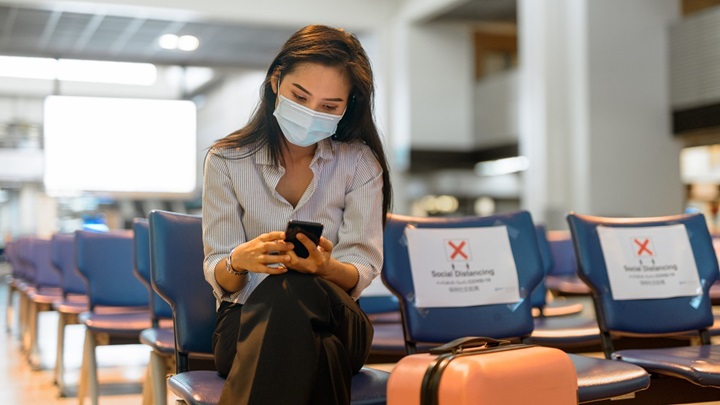
COVID‑19 & Travel Health Requirements
July 12, 2025
Even as global travel rebounds, COVID‑19 remains a consideration for international and domestic trips. While many countries have lifted strict pandemic-era protocols, travelers must still navigate entry requirements, vaccination guidelines, and health precautions that may differ by region.
Understanding the current travel health landscape helps ensure a smoother journey and reduces the risk of disruptions. From pre-trip planning to arrival policies, staying informed is key to protecting yourself and others while on the move.
Understand evolving entry requirements
Entry requirements vary by destination and can change with little notice. Some countries have dropped all COVID‑19 rules, while others continue to require proof of vaccination, recent negative tests, or health forms.
Common requirements may include:
- Proof of COVID‑19 vaccination (some may require specific vaccines or booster doses)
- Negative PCR or antigen test results within a set timeframe before departure
- Health declaration forms completed online prior to arrival
- Random screening upon arrival or temperature checks
- Quarantine or isolation protocols for travelers showing symptoms
Always check official government or embassy websites for your destination’s most current entry rules.
Know your vaccination documentation
Some destinations still require travelers to show official proof of COVID‑19 vaccination. Even if not required, being fully vaccinated may help you avoid extra testing or quarantine steps.
Key tips:
- Carry a printed and digital version of your vaccination record
- Ensure your name, vaccine type, and dates are clearly listed
- Include booster information if available
- If traveling with children, verify pediatric vaccine guidelines
Note that not all countries accept every vaccine, so double-check which brands are approved by the destination.
Testing before and during travel
Pre-travel testing is less common now than in the early pandemic stages, but it may still be necessary depending on your itinerary or transit countries. Testing may also be needed if you begin to feel unwell during your trip.
Plan for:
- At-home rapid tests for early symptom checks
- PCR testing options near your accommodation in case documentation is required
- Understanding turnaround times for test results, especially if required for onward travel
- Backup test kits in your travel bag if you’re heading to remote areas
Check in advance whether your airline, hotel, or cruise operator has its own testing policies.
Face masks and personal protection
Mask mandates have eased in many places, but personal protection still plays a role in reducing transmission—especially in crowded or enclosed spaces.
Consider packing:
- Several high-quality face masks (N95, KN95, or surgical masks)
- Hand sanitizer with at least 60% alcohol
- Disinfectant wipes for surfaces in transit
- Tissues and travel-size soap if public restrooms are limited
Masks may still be required in certain settings such as airports, public transport, or healthcare facilities, depending on local regulations.
Monitor symptoms while abroad
Symptoms of COVID‑19 can be mild at first but may worsen quickly or resemble other respiratory illnesses. Stay aware of how you’re feeling each day, especially in the first 3–5 days after flights or group activities.
Early symptoms may include:
- Sore throat, congestion, or dry cough
- Fatigue or muscle aches
- Fever or chills
- Loss of taste or smell
- Headache or digestive changes
If symptoms begin, isolate if possible and use a self-test to assess your status. In some destinations, reporting your symptoms to health authorities may be required.
Know your return travel policies
Just as destination countries may have entry rules, your home country may have its own requirements for reentry. While many have removed mandatory testing or quarantines, guidelines can vary by vaccination status and recent exposure.
Prepare by:
- Checking the latest return entry guidelines at least a week before travel
- Keeping your vaccination documents and testing results organized
- Having a contingency plan if you test positive abroad and need to delay your return
Some insurance providers offer trip interruption or delay coverage specifically for COVID‑19.
Be aware of vulnerable travelers
If you’re traveling with someone who is elderly, immunocompromised, or managing chronic illness, you may need to take additional precautions to protect them.
Tips include:
- Avoiding high-risk settings such as crowded indoor events
- Maintaining extra hygiene routines in shared accommodations
- Choosing outdoor dining or private transportation when possible
- Encouraging mask-wearing in close-contact situations
Taking small measures can help protect those most at risk, even when general guidelines have eased.
Keep an eye on variants and surges
New COVID‑19 variants occasionally lead to localized surges and temporary restrictions. Before and during your trip, monitor updates from your destination’s health departments or international health organizations.
Consider:
- Signing up for travel alerts
- Following reputable local news outlets for emerging restrictions
- Being flexible with your itinerary if outbreaks occur
Remaining informed helps you adapt quickly and avoid last-minute travel disruptions.
Takeaway
COVID‑19 may no longer dominate headlines, but it remains an active part of international travel planning. Keeping up with destination requirements, preparing documentation, and packing protective essentials help make your trip smoother and safer. A thoughtful travel health approach ensures you’re ready for both adventures and responsibilities in a post-pandemic world.



















