
Chronic diseases affect millions of individuals worldwide and often go unnoticed in their early stages. Conditions like type 2 diabetes, heart disease, hypertension, and autoimmune disorders progress silently and can severely impact quality of life …
Understanding Chronic Disease and the Importance of Early Treatment
July 12, 2025
Chronic diseases affect millions of individuals worldwide and often go unnoticed in their early stages. Conditions like type 2 diabetes, heart disease, hypertension, and autoimmune disorders progress silently and can severely impact quality of life when left untreated. Early intervention is critical—not just for reducing complications, but for improving daily health and long-term outcomes.
This guide breaks down what chronic disease means, why early detection matters, and how proactive care can reshape a patient’s health journey.
1. What defines a chronic disease
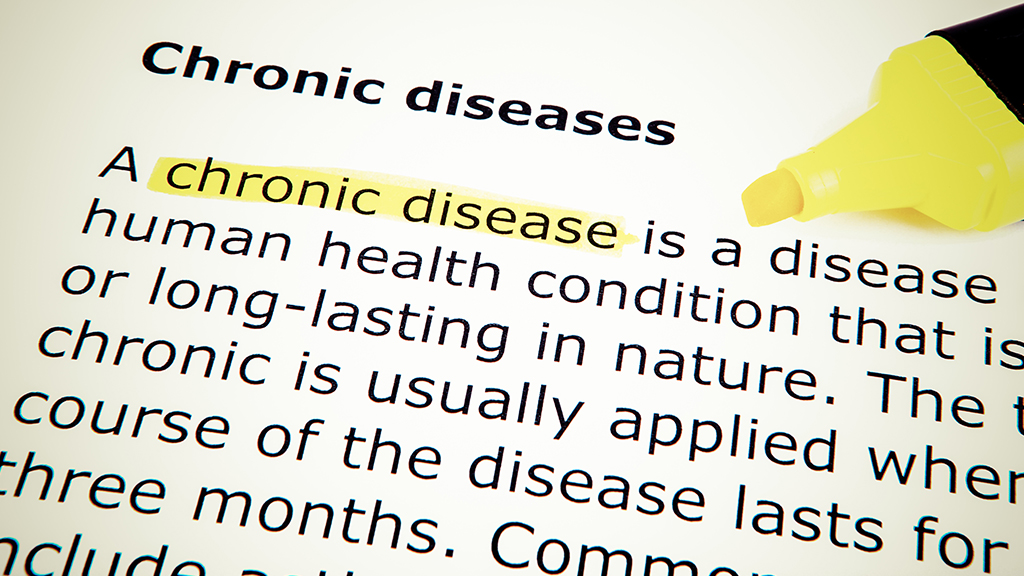
A chronic disease is a medical condition that lasts a year or more and requires ongoing medical attention or limits daily activities—or both. Common chronic illnesses include:
- Diabetes (type 1 and 2)
- Hypertension
- Heart disease
- Chronic kidney disease
- Autoimmune conditions like lupus or rheumatoid arthritis
- Chronic respiratory diseases such as asthma or COPD
Unlike acute illnesses that resolve quickly, chronic diseases persist and evolve, often requiring lifelong management.
2. Chronic conditions often develop without symptoms
One of the most challenging aspects of chronic illness is that many conditions progress silently in the early stages. For example:
- High blood pressure rarely causes symptoms until complications arise
- Type 2 diabetes can develop over years with no noticeable signs
- Fatty liver disease often remains undetected until liver function is impaired
This “silent” nature makes regular checkups and preventive screenings essential.
3. Early diagnosis prevents complications
The earlier a chronic condition is diagnosed, the better the chance of managing it effectively. Timely treatment helps to:
- Preserve organ function
- Reduce the risk of stroke or heart attack
- Prevent nerve or vision damage in diabetes
- Delay disease progression
With proper medical care, many patients can avoid the need for emergency interventions or hospitalization.
4. Lifestyle changes have the greatest impact early on
When chronic illness is caught early, lifestyle modifications can be especially effective. For example:
- Reducing salt intake may reverse early hypertension
- Improved diet and physical activity can normalize blood glucose in prediabetes
- Smoking cessation can greatly reduce lung decline in early COPD
This is the window where small changes lead to big outcomes.
5. Medications work best before damage accumulates
Prescription treatment plans are more effective when introduced before major tissue or organ damage occurs. Medications can:
- Help maintain blood sugar or blood pressure within target ranges
- Reduce inflammation and pain in autoimmune diseases
- Prevent clot formation in cardiovascular conditions
Waiting until a condition worsens often limits the effectiveness of treatment options.
6. Early intervention reduces health care costs
Chronic conditions are one of the leading causes of health care spending. Detecting and managing illness early helps:
- Avoid costly hospitalizations
- Minimize the need for surgical procedures
- Prevent long-term disability or loss of function
Preventive care is not just about health—it’s a smart financial strategy for patients and the health system.
7. Regular monitoring becomes more effective
Once a chronic condition is identified early, providers can monitor key health indicators more closely. This includes:
- Tracking blood pressure trends
- Monitoring hemoglobin A1C in diabetes
- Conducting kidney and liver function tests
Proactive adjustments keep the condition under control and reduce emergency visits.
8. Emotional well-being improves with early action
A late-stage diagnosis often brings feelings of overwhelm or hopelessness. Early detection allows patients to:
- Understand and adapt to their condition gradually
- Develop support systems
- Take part in decisions about their care plan
This builds emotional resilience and confidence in managing health long-term.
9. Patient-provider relationships strengthen over time
Chronic disease management is not a one-time event—it’s an ongoing collaboration. When patients begin care early, they:
- Develop trust with their care team
- Feel more empowered to ask questions
- Are more likely to stick to their care plan
This long-term relationship improves treatment adherence and satisfaction.
10. Early treatment preserves quality of life
Ultimately, the goal of chronic disease management is not just survival—it’s thriving. Timely treatment allows patients to:
- Maintain independence
- Stay active at work or with family
- Avoid serious complications that impact daily living
The earlier care begins, the more likely patients are to lead fulfilling, healthy lives.



















