Diabetes is one of the most common chronic illnesses worldwide, yet it remains one of the most misunderstood. While many people associate it with diet alone, effective diabetes care requires ongoing medical oversight. With expert …
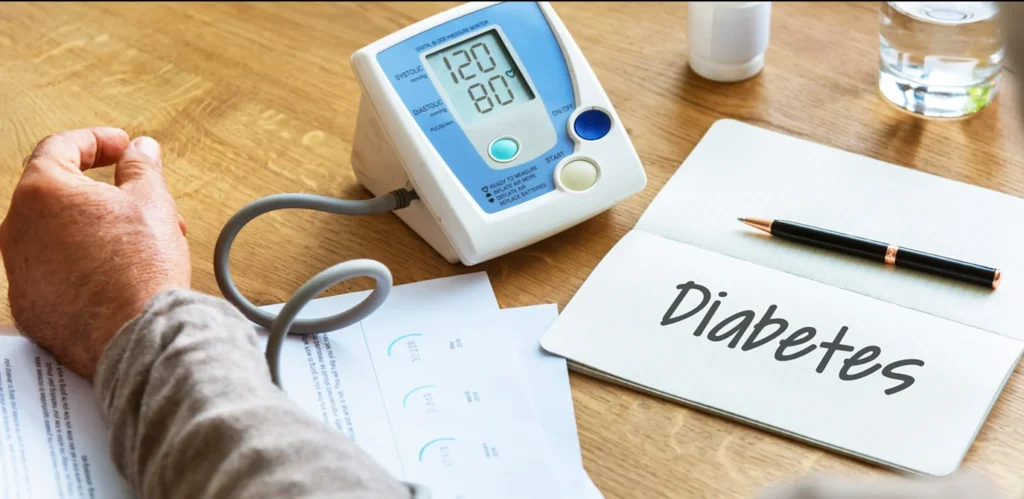
Managing Diabetes with Expert Medical Supervision
July 12, 2025
Diabetes is one of the most common chronic illnesses worldwide, yet it remains one of the most misunderstood. While many people associate it with diet alone, effective diabetes care requires ongoing medical oversight. With expert supervision, patients can control blood sugar, prevent complications, and live healthier, more active lives.
This article explores how professional medical support transforms diabetes management and why consistent guidance makes all the difference.
1. Understanding the types of diabetes
There are several forms of diabetes, and each requires its own unique treatment plan:
- Type 1 diabetes: an autoimmune condition where the body doesn’t produce insulin
- Type 2 diabetes: a metabolic disorder where the body resists insulin or doesn’t produce enough
- Gestational diabetes: a temporary form that occurs during pregnancy
- Prediabetes: elevated blood sugar levels that haven’t yet reached diabetic range
Medical supervision helps diagnose the correct type and establish an appropriate treatment protocol.
2. Personalized blood sugar targets
Not every patient should aim for the same blood glucose numbers. An expert provider considers factors like:
- Age
- Duration of diabetes
- Other medical conditions
- Risk of low blood sugar (hypoglycemia)
Personalized A1C goals help reduce risk without overcorrecting and causing harm.
3. Structured medication management
Diabetes medications include a wide variety of oral drugs, injectables, and insulin therapies. Under expert care, these are:
- Started gradually and adjusted as needed
- Monitored for side effects or interactions
- Evaluated regularly for effectiveness
Proper titration and review of medications help patients avoid unnecessary complications or hospitalizations.
4. Continuous glucose monitoring (CGM) access
Medical providers can prescribe CGM devices that track blood sugar in real-time. This allows for:
- Immediate insight into food and activity impact
- Fewer finger pricks
- Alerts for dangerous highs or lows
CGMs make self-care easier, and provider interpretation helps patients fine-tune habits over time.
5. Nutritional counseling for long-term balance
Rather than one-size-fits-all diets, expert-supervised programs provide individualized meal planning. These include:
- Carbohydrate education
- Blood sugar-friendly snacks and meals
- Adjusting food choices based on medications and activity level
Registered dietitians often collaborate with medical teams to build sustainable plans.
6. Physical activity tailored to your condition
Exercise improves insulin sensitivity and supports weight management—but must be approached carefully in diabetic patients. Medical guidance ensures:
- Safe routines for patients with neuropathy or heart risk
- Balanced timing of insulin or meals before activity
- Gradual increase in movement for sedentary individuals
The right plan prevents blood sugar crashes and encourages long-term engagement.
7. Preventing long-term complications
Uncontrolled diabetes can affect nearly every organ in the body. Early intervention helps prevent:
- Vision loss (retinopathy)
- Nerve damage (neuropathy)
- Kidney failure (nephropathy)
- Cardiovascular disease
Regular checkups include foot exams, eye exams, and lab monitoring to catch issues before they progress.
8. Managing mental and emotional health
Diabetes burnout is real. Medical supervision supports not just the body, but also the mind by:
- Screening for depression or anxiety
- Offering coping strategies and resources
- Encouraging realistic goal-setting
Ongoing support reduces the emotional toll of living with a chronic illness.
9. Emergency readiness and sick-day planning
Illness or stress can quickly disrupt blood sugar stability. Under medical supervision, patients receive:
- Clear sick-day protocols
- Ketone testing education
- Emergency insulin adjustments
This prevents diabetic ketoacidosis or severe hypoglycemia during high-stress periods.
10. Better outcomes, fewer hospitalizations
Ultimately, expert medical supervision leads to fewer complications, fewer ER visits, and better long-term health. Patients benefit from:
- Regular A1C monitoring
- Early medication adjustments
- Coordinated care across specialties
This team-based approach provides both structure and safety for lifelong diabetes care.