
Hypertension, or high blood pressure, is one of the most common chronic conditions worldwide. It’s often called the “silent killer” because it typically causes no symptoms until damage has already occurred. Fortunately, with consistent monitoring …
Hypertension: How We Monitor & Treat It
July 12, 2025
Hypertension, or high blood pressure, is one of the most common chronic conditions worldwide. It’s often called the “silent killer” because it typically causes no symptoms until damage has already occurred. Fortunately, with consistent monitoring and expert treatment, hypertension can be managed effectively and safely.
This article breaks down how high blood pressure is diagnosed, tracked, and treated within a structured medical setting.
1. Understanding what hypertension really is
Blood pressure measures the force of blood pushing against artery walls. Hypertension is diagnosed when this pressure remains consistently elevated. The standard categories are:
- Normal: under 120/80 mm Hg
- Elevated: 120–129 systolic and under 80 diastolic
- Stage 1 hypertension: 130–139 systolic or 80–89 diastolic
- Stage 2 hypertension: 140+ systolic or 90+ diastolic
Medical providers use these benchmarks along with other health data to assess risk.
2. Routine blood pressure screenings are critical
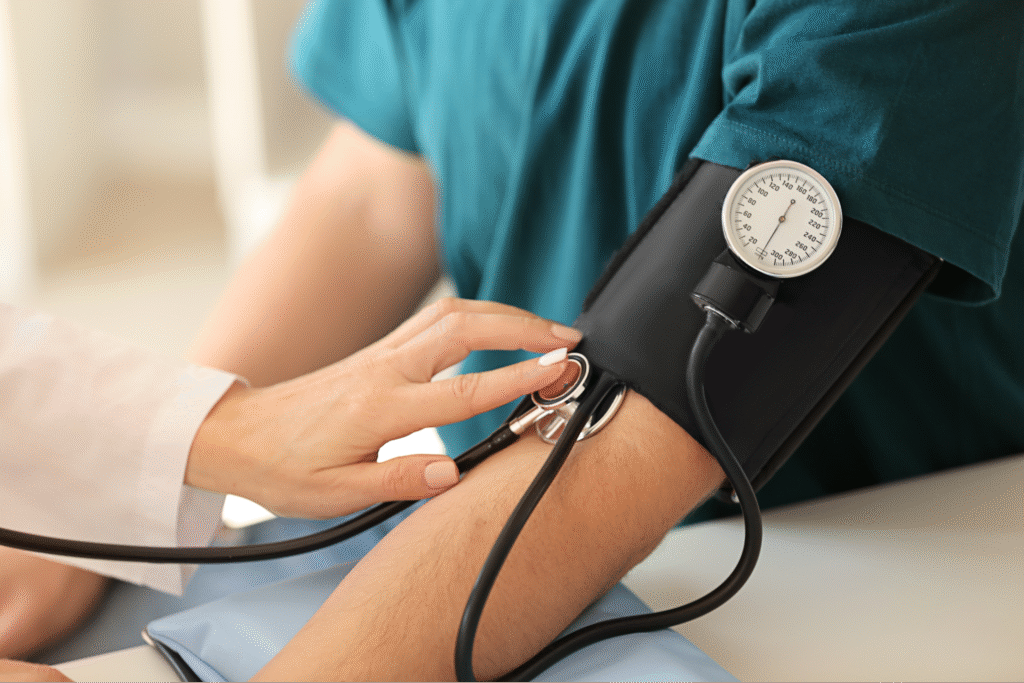
Since high blood pressure often develops without symptoms, routine screenings are the first step in diagnosis. These typically occur during:
- Annual physical exams
- Follow-up visits for chronic illness
- Pharmacy or community health programs
A confirmed diagnosis requires multiple readings over time, not just one elevated result.
3. Ambulatory and home monitoring offer deeper insight
To understand how blood pressure behaves outside the clinic, providers may recommend:
- Home blood pressure cuffs for daily readings
- Ambulatory monitoring, which measures BP over 24 hours
- Digital tracking apps synced with provider dashboards
These methods reveal patterns that can help fine-tune treatment.
4. Identifying contributing risk factors
Hypertension rarely occurs in isolation. Providers assess other risk factors that increase the danger of cardiovascular complications, including:
- High cholesterol
- Smoking or alcohol use
- Sedentary lifestyle
- Family history of heart disease
- Diabetes or kidney disease
Understanding the full picture helps guide personalized treatment decisions.
5. Starting with lifestyle interventions
In early or mild cases, lifestyle changes may be the first step. These include:
- Reducing sodium intake
- Increasing physical activity
- Managing stress through relaxation or therapy
- Maintaining a healthy weight
- Quitting tobacco
When implemented early, these changes can lower blood pressure and delay or eliminate the need for medication.
6. When medications are necessary
If blood pressure remains elevated despite lifestyle adjustments, medications may be introduced. Common classes include:
- ACE inhibitors (e.g., lisinopril)
- ARBs (e.g., losartan)
- Calcium channel blockers (e.g., amlodipine)
- Diuretics (e.g., hydrochlorothiazide)
Providers monitor side effects, interactions, and dose adjustments over time.
7. Monitoring for medication effectiveness and side effects
Once a medication is prescribed, the provider will monitor for:
- Consistent reduction in blood pressure readings
- Tolerance and side effects (e.g., dizziness, fatigue, cough)
- Impact on kidney function and electrolyte levels
Follow-up visits and occasional lab tests ensure the medication is working as intended.
8. Coordinating care with other conditions
Many patients with hypertension also manage other chronic illnesses. Expert supervision allows for:
- Adjusting medication to avoid interactions
- Coordinating care between specialists
- Monitoring organ systems affected by high blood pressure
This team-based approach reduces the risk of complications like stroke, heart failure, or kidney damage.
9. Educating patients for self-management
Empowering patients with knowledge is a key part of treatment. Education includes:
- How to properly use a home blood pressure monitor
- Recognizing warning signs like vision changes or chest pain
- Knowing when to seek urgent care
Informed patients are more likely to stick with treatment and avoid complications.
10. Long-term follow-up to keep control
Hypertension is a lifelong condition. Long-term care involves:
- Periodic blood pressure checks
- Medication adjustments as needed
- Managing risk factors like cholesterol or glucose levels
With consistent monitoring and expert care, patients can live full, healthy lives even with a hypertension diagnosis.



















