
While blood tests and EKGs are common parts of pre-op screening, imaging—especially X-rays—also plays an essential role in surgical preparation. Whether you’re having orthopedic work, chest surgery, or even routine abdominal procedures, an X-ray may …
X‑Rays in Surgical Planning
July 12, 2025
While blood tests and EKGs are common parts of pre-op screening, imaging—especially X-rays—also plays an essential role in surgical preparation. Whether you’re having orthopedic work, chest surgery, or even routine abdominal procedures, an X-ray may be requested to give your surgical team a clearer view of your internal structures. These images help providers identify potential complications early and make more informed decisions before your procedure begins.
Why imaging matters before surgery
Surgical planning requires precision. Even with a thorough physical exam and lab results, there are limits to what can be detected without imaging. X-rays allow doctors to visualize bones, joints, organs, and lung tissue to:
- Identify structural issues that could affect the procedure
- Detect hidden infections, masses, or abnormalities
- Evaluate chronic conditions like arthritis, scoliosis, or lung disease
- Confirm alignment or integrity of joints and bones for orthopedic procedures
- Screen for fluid buildup or signs of respiratory compromise
In many cases, X-rays reveal silent conditions that would otherwise go unnoticed but could increase surgical risk.
Common types of X-rays ordered pre-op
Not all surgical patients will need imaging, but your surgeon may order one of the following based on your history and the type of procedure:
- Chest X-ray:
Often ordered for patients over 50, those with respiratory symptoms, or a history of smoking. It helps assess heart size, lung condition, or fluid in the chest. - Spine or Joint X-ray:
Frequently used in orthopedic surgeries to plan hardware placement or evaluate prior injuries. - Abdominal X-ray:
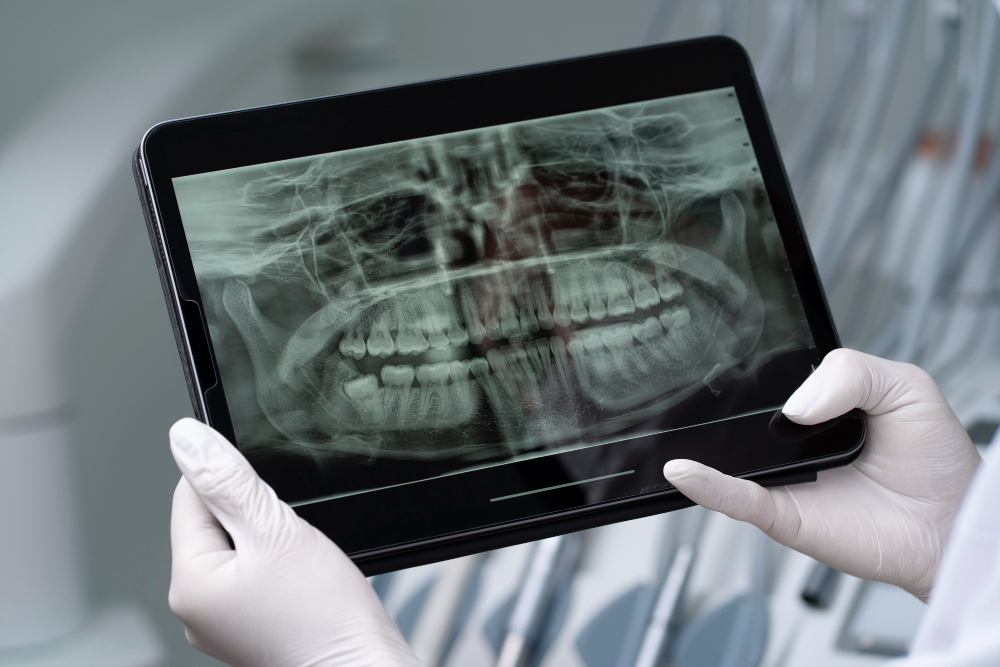
Helps detect bowel blockages, masses, or complications from previous surgeries. - Dental or jaw X-ray (for oral or ENT procedures):
Used to evaluate bone structure and nearby anatomical risks.
These films are painless, quick, and available in digital format for review by the surgical team.
How X-rays influence surgical decisions
Even simple imaging can influence major parts of surgical planning:
- Adjusting technique: X-ray findings may prompt a change in the surgical approach, such as using minimally invasive tools instead of open surgery.
- Timing surgery appropriately: If an infection, fluid buildup, or lung issue is found, surgery may be delayed until the issue is treated.
- Coordinating anesthesia care: Lung or airway abnormalities visible on a chest X-ray help the anesthesiologist plan safe intubation and sedation.
In short, X-rays enhance preparedness and reduce avoidable surprises in the operating room.
Are X-rays always required before surgery?
No. Imaging is ordered based on your health history, symptoms, and the type of surgery you’re having. Many patients—especially those undergoing low-risk procedures—may not need any imaging. However, it becomes much more common in surgeries involving:
- Lungs or chest
- Bones and joints
- Spine and back
- Digestive tract
- Ear, nose, and throat
Your provider will assess whether imaging is necessary to clear you safely.
Is radiation a concern with pre-op X-rays?
X-rays use a small amount of radiation, but modern equipment is highly targeted and low-dose. The benefit of having accurate surgical data far outweighs the minimal risk in most cases. If you’re pregnant or have had multiple scans recently, always let your provider know so adjustments can be made.
Frequently Asked Questions
Do I need to fast or prepare for an X-ray?
No special preparation is typically needed, though you may be asked to remove jewelry or wear a gown.
Can I bring a recent X-ray from another clinic?
Yes. If it’s recent and relevant, you can provide your images on CD or digital file—just confirm with your provider that the imaging is still valid.
How long does an X-ray take?
Most X-rays take less than 10 minutes to complete. Results are typically reviewed within a few hours to a day.
Will every surgery require an X-ray?
Not necessarily. It depends on the type of surgery and your medical history. Your provider will determine whether imaging is helpful in your case.



















