One of the most important tools in a pre-operative screening is the electrocardiogram, or EKG. This simple, non-invasive test measures the electrical activity of the heart and plays a critical role in determining whether it’s …
EKGs in Pre‑Op: Protecting Your Heart
July 12, 2025
One of the most important tools in a pre-operative screening is the electrocardiogram, or EKG. This simple, non-invasive test measures the electrical activity of the heart and plays a critical role in determining whether it’s safe to proceed with surgery. Even if you’ve never had heart problems, your medical team may request an EKG to rule out hidden cardiac risks that could lead to complications during anesthesia or recovery.
Why the heart is a surgical priority
Surgery puts stress on the entire body, and the cardiovascular system is often the most affected. Blood pressure changes, anesthesia, and blood loss can strain the heart—especially in people over 40, those with chronic conditions, or anyone with undiagnosed heart abnormalities.
An EKG helps identify:
- Irregular heart rhythms (arrhythmias)
- Signs of previous heart attacks
- Poor blood flow to the heart muscle
- Enlargement of heart chambers
- Conduction abnormalities affecting electrical signals
These findings can determine if special precautions or treatments are needed before going into surgery.
When is a pre-op EKG recommended?
Not every patient requires an EKG before surgery. However, it is commonly recommended in these situations:
- Age 50 and older, regardless of known heart issues
- History of high blood pressure, diabetes, or smoking
- Symptoms like chest pain, shortness of breath, or palpitations
- Known heart conditions such as arrhythmia, valve disease, or coronary artery disease
- Major or moderate-risk surgeries, especially under general anesthesia
Your surgical team will evaluate your personal risk factors before deciding if an EKG is necessary.
What happens during an EKG?
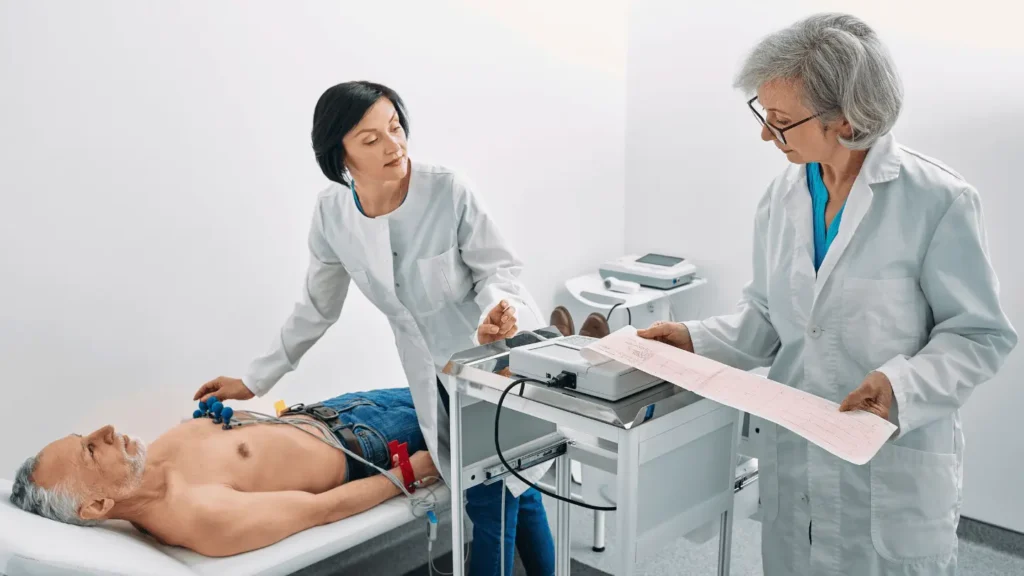
An EKG is quick and painless. Here’s what to expect:
- You’ll lie flat while a technician places 10–12 small electrodes on your chest, arms, and legs
- These electrodes are connected to a machine that records your heart’s electrical signals
- The entire test takes less than 10 minutes
- There are no needles, injections, or discomfort involved
The results are usually available the same day and are reviewed by a provider or cardiologist if needed.
How EKG results influence surgery plans
If your EKG is normal, the surgical team moves forward with greater confidence. But if abnormalities are detected, it doesn’t always mean surgery is canceled. It may prompt:
- Further testing, such as an echocardiogram or stress test
- Referral to a cardiologist for clearance
- Adjustments in anesthesia type or dosage
- A change in surgical timing to treat any new findings first
The goal is to reduce cardiac risk—not to avoid surgery altogether.
Why even healthy patients may need one
Even people who feel fine can have silent cardiac abnormalities, especially as they age. An EKG can detect subtle warning signs that might otherwise go unnoticed. In high-stress surgical settings, this kind of insight can be life-saving.
EKGs also serve as a baseline, so if there are changes during or after surgery, providers can compare the new data with your pre-op reading to quickly detect and respond to complications.
Frequently Asked Questions
Does an abnormal EKG mean I have heart disease?
Not always. Some abnormalities may be harmless or reflect past conditions. Further evaluation helps determine their significance.
Will I feel anything during the test?
No. EKGs are completely non-invasive and painless.
Do I need to prepare for the EKG?
There’s no fasting or medication adjustment required. Just avoid lotions or oils on your skin the day of the test so electrodes stick properly.
Can I use an EKG from a past physical exam?
Sometimes. If it’s recent and reflects your current health, it may be accepted. Check with your surgical team for their time window requirements.