
Blood tests are one of the most common and valuable diagnostic tools used in healthcare. They provide a wealth of information about your overall health and can help detect a variety of conditions early—sometimes before …
What You Can Learn From a Blood Test
June 5, 2025
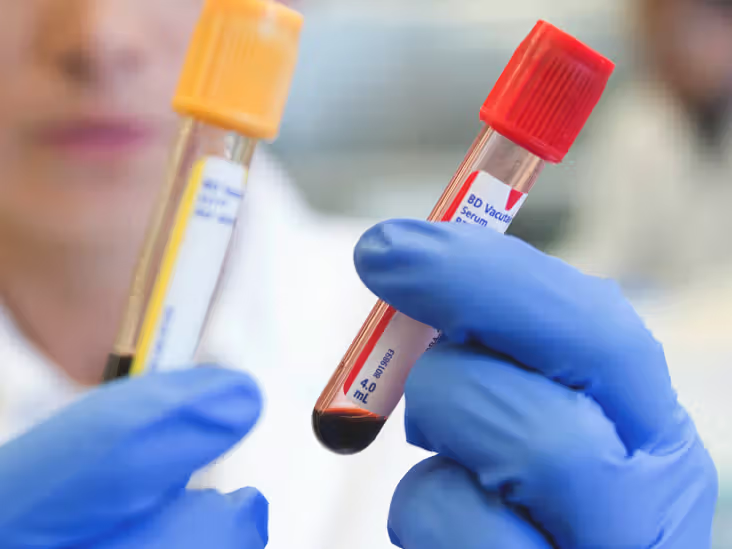
Blood tests are one of the most common and valuable diagnostic tools used in healthcare. They provide a wealth of information about your overall health and can help detect a variety of conditions early—sometimes before symptoms even appear. Whether it’s during a routine check-up or when investigating specific symptoms, understanding what blood tests can reveal empowers you to take charge of your health.
Why Blood Tests Are Important
Blood circulates throughout your body, delivering oxygen and nutrients to tissues while carrying away waste products. Because it interacts with virtually every organ, analyzing your blood offers critical insights into how well your body is functioning.
Doctors use blood tests to:
- Diagnose diseases and medical conditions
- Monitor existing health issues
- Check how well treatments are working
- Assess risk factors for future illnesses
- Evaluate organ function
By examining various components in your blood, healthcare providers get a clearer picture of your health status.
Common Types of Blood Tests and What They Reveal
- Complete Blood Count (CBC)
This test measures different types of cells in your blood, including red blood cells, white blood cells, and platelets. It can help detect anemia, infections, immune system disorders, and blood cancers. - Basic Metabolic Panel (BMP)
The BMP checks blood sugar, calcium, and electrolytes like sodium and potassium. It provides important information about your kidney function, blood acid-base balance, and blood sugar control. - Lipid Panel
This test measures cholesterol levels, including LDL (“bad” cholesterol), HDL (“good” cholesterol), and triglycerides. It’s used to evaluate your risk for heart disease. - Liver Function Tests
These tests assess how well your liver is working by measuring enzymes, proteins, and bilirubin. They can identify liver damage or disease. - Thyroid Function Tests
These measure hormones that regulate your metabolism. Abnormal levels can indicate hypothyroidism or hyperthyroidism. - Blood Glucose Tests
Used to screen for diabetes and monitor blood sugar control in diabetics.
What You Can Learn From Blood Tests
- Detect Hidden Health Issues: Many diseases develop silently. Blood tests can reveal infections, inflammation, or metabolic problems before symptoms develop.
- Evaluate Organ Health: Blood tests provide a snapshot of how well your kidneys, liver, thyroid, and other organs are functioning. Early detection of organ issues can prevent more serious complications.
- Assess Nutritional Status: Tests can show deficiencies in vitamins like B12 or D, helping tailor your diet or supplements.
- Monitor Chronic Conditions: For patients with diabetes, high cholesterol, or anemia, regular blood tests track progress and effectiveness of treatments.
- Guide Treatment Decisions: Blood work can indicate if medications are affecting your organs or if doses need adjustment.
- Screen for Risk Factors: Lipid panels and glucose tests help assess your risk for heart disease and diabetes, encouraging preventive care.
Preparing for a Blood Test
Some blood tests require fasting for 8-12 hours beforehand, especially those measuring blood sugar or cholesterol. It’s important to follow your healthcare provider’s instructions to ensure accurate results. Staying hydrated and avoiding strenuous exercise before the test can also help.
Getting Your Results and Next Steps
Once your blood sample is analyzed, your healthcare provider will review the results with you. They will explain what each number means in the context of your health and discuss any further testing, lifestyle changes, or treatments needed.
Remember, abnormal results don’t always indicate serious illness—they may require follow-up or monitoring over time.
Convenient Blood Testing at Urgent Care
Urgent care centers provide a quick and easy way to get essential blood tests done without long waits or appointments. Whether you need routine screening, testing due to symptoms, or follow-up on a chronic condition, urgent care can deliver fast results and immediate guidance.
If you’re due for a blood test or have health concerns that need prompt attention, don’t hesitate to seek care.
Call 305-344-CARE (2273) to schedule your blood test or visit your nearest urgent care center for quick and reliable lab services. Taking this simple step can provide critical insights to help you stay healthy and catch problems early.
beach medical helpbeachside medical clinicdehydration treatment Miamiemergency clinic Miami BeachER alternative Miamifast care South Floridafood poisoning clinicheat exhaustion Miami Beachjet lag recovery IVkid-friendly urgent careMiami Beach health tipsMiami Beach local doctorMiami nightlife recoveryquick STD testing Miamiquick X-rays MiamiSouth Beach flu seasonsports injury Miami Beachsunburn treatment Miamiurgent care for travelerswound care clinic



















