
Diabetes is a chronic condition that affects millions of people worldwide. Early detection through regular screenings is essential to managing the disease effectively and preventing complications. Understanding the symptoms and knowing when to get screened …
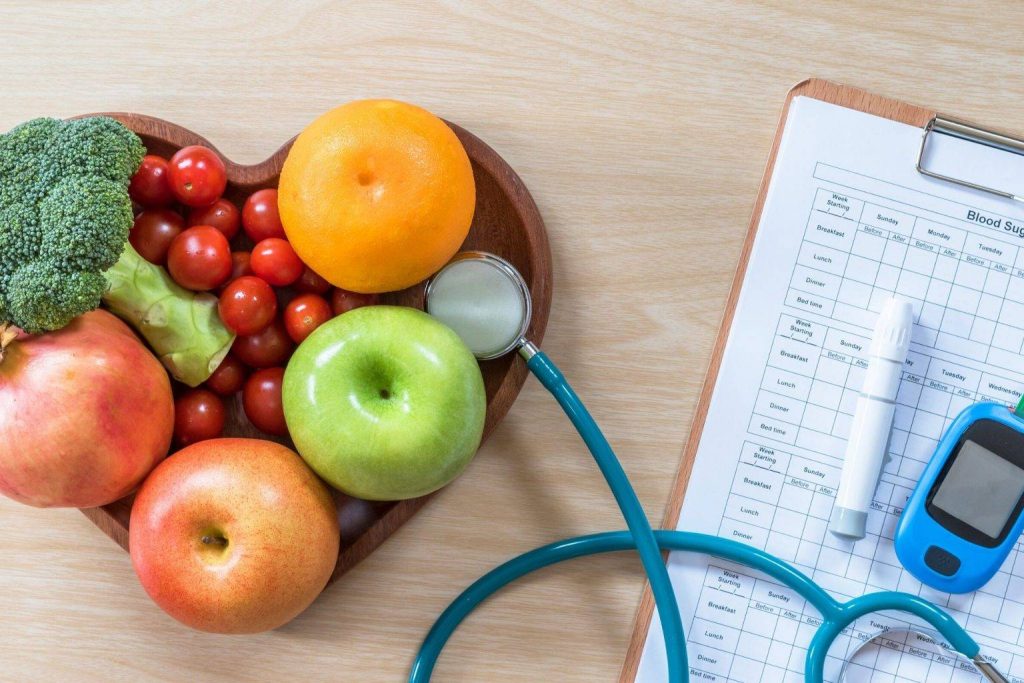
Diabetes Screenings and Symptoms to Watch
June 5, 2025
Diabetes is a chronic condition that affects millions of people worldwide. Early detection through regular screenings is essential to managing the disease effectively and preventing complications. Understanding the symptoms and knowing when to get screened can empower you to take control of your health and improve your quality of life.
What Is Diabetes?
Diabetes occurs when your body cannot properly regulate blood sugar (glucose) levels. There are two main types:
- Type 1 Diabetes: An autoimmune condition where the body stops producing insulin. It usually develops in childhood or adolescence.
- Type 2 Diabetes: The most common form, where the body becomes resistant to insulin or doesn’t produce enough. It often develops in adulthood but is increasingly seen in younger individuals.
Both types require medical management, but early diagnosis and lifestyle changes can make a significant difference in outcomes.
Why Diabetes Screening Is Important
Many people with diabetes don’t show obvious symptoms in the early stages, especially with Type 2 diabetes. Screening helps identify elevated blood sugar levels before serious complications develop. Early detection allows for timely intervention that can prevent or delay issues such as:
- Heart disease
- Kidney failure
- Nerve damage
- Vision loss
- Poor wound healing
Screening is especially important if you have risk factors such as obesity, family history, high blood pressure, or a sedentary lifestyle.
Common Diabetes Symptoms to Watch
While some people may have no symptoms, others might experience warning signs including:
- Increased thirst and frequent urination
- Extreme hunger
- Unexplained weight loss
- Fatigue or weakness
- Blurred vision
- Slow-healing sores or frequent infections
- Tingling or numbness in hands or feet
If you notice any of these symptoms, getting screened as soon as possible is crucial.
Types of Diabetes Screening Tests
There are several tests used to diagnose diabetes:
- Fasting Blood Glucose Test: Measures blood sugar after an overnight fast. Levels above 126 mg/dL on two separate tests indicate diabetes.
- Hemoglobin A1C Test: Provides an average blood sugar level over the past 2-3 months. An A1C of 6.5% or higher suggests diabetes.
- Oral Glucose Tolerance Test: Blood sugar is measured after fasting and again two hours after drinking a glucose-rich beverage. Higher levels indicate diabetes.
- Random Blood Glucose Test: A blood sugar check at any time of day, often used when symptoms are present.
Urgent care centers can perform these tests quickly and provide immediate guidance.
Who Should Get Screened?
The American Diabetes Association recommends diabetes screening for:
- Adults aged 45 and older
- People under 45 who are overweight or obese and have additional risk factors like family history, high blood pressure, or inactivity
- Women who had gestational diabetes during pregnancy
- Anyone with symptoms of diabetes
If you fall into any of these categories or experience symptoms, don’t delay in scheduling a screening.
What to Expect During a Screening at Urgent Care
At an urgent care center, diabetes screening is straightforward and efficient. A healthcare professional will review your medical history, symptoms, and risk factors before conducting the necessary blood tests. Results may be available the same day, allowing for prompt discussion of next steps.
If your test results indicate prediabetes or diabetes, providers can offer counseling on lifestyle changes, nutrition, exercise, and, if necessary, prescribe medications or refer you to a specialist.
Managing and Preventing Diabetes
For those diagnosed with prediabetes or diabetes, managing your condition is key to preventing complications:
- Adopt a balanced diet low in processed sugars and refined carbs
- Engage in regular physical activity
- Maintain a healthy weight
- Monitor blood sugar levels as recommended
- Take medications as prescribed
- Regularly follow up with your healthcare provider
Early management and consistent care can help you live a full and healthy life.
Take Action for Your Health
Diabetes is a manageable condition, but early detection is crucial. If you have symptoms or risk factors, don’t wait to get screened. Urgent care centers provide fast, convenient diabetes testing and personalized care to guide you toward better health.
Call 305-344-CARE (2273) today to schedule your diabetes screening or visit your nearest urgent care center.
beach medical helpbeachside medical clinicdehydration treatment Miamiemergency clinic Miami BeachER alternative Miamifast care South Floridafood poisoning clinicheat exhaustion Miami Beachjet lag recovery IVkid-friendly urgent careMiami Beach health tipsMiami Beach local doctorMiami nightlife recoveryquick STD testing Miamiquick X-rays MiamiSouth Beach flu seasonsports injury Miami Beachsunburn treatment Miamiurgent care for travelerswound care clinic



















