As temperatures rise, so does the risk of heat-related illnesses. Two of the most common—and potentially dangerous—are heat exhaustion and heat stroke. While they may share similar symptoms, they differ significantly in severity and treatment. …
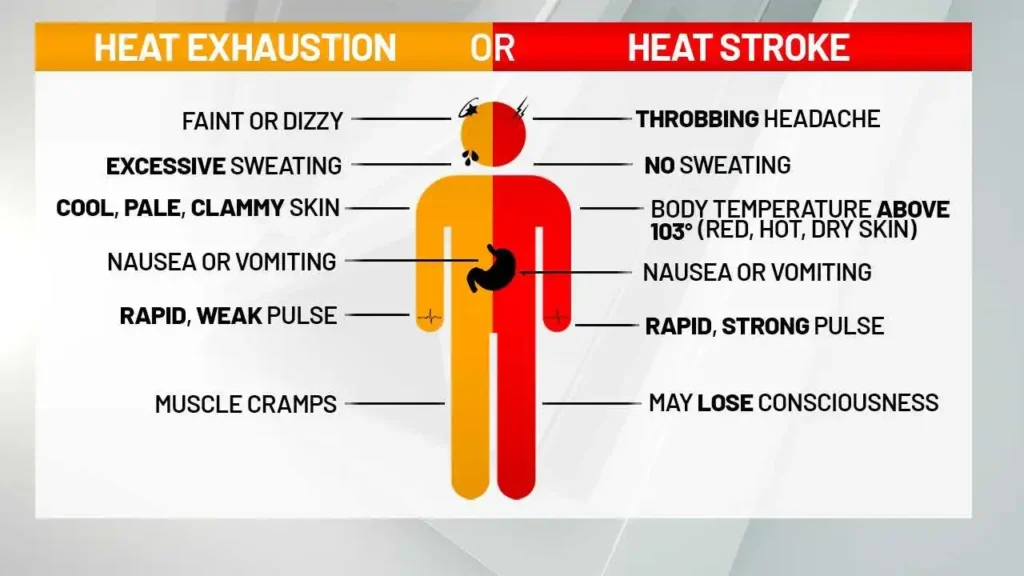
Heat Stroke vs. Heat Exhaustion
June 6, 2025
As temperatures rise, so does the risk of heat-related illnesses. Two of the most common—and potentially dangerous—are heat exhaustion and heat stroke. While they may share similar symptoms, they differ significantly in severity and treatment. Recognizing the signs early can prevent a medical emergency and help you or someone you care about stay safe.
Here’s what you need to know about heat exhaustion and heat stroke, how to tell them apart, and what to do in each situation.
What is Heat Exhaustion?
Heat exhaustion occurs when your body overheats due to prolonged exposure to high temperatures and insufficient hydration. It’s your body’s warning signal that it’s struggling to cool itself down.
Common Symptoms of Heat Exhaustion:
- Heavy sweating
- Pale or clammy skin
- Weakness or fatigue
- Dizziness or lightheadedness
- Headache
- Muscle cramps
- Nausea or vomiting
- Rapid but weak pulse
Heat exhaustion can come on gradually and is usually treatable at home if addressed early. However, if ignored, it can progress to heat stroke, which is much more serious.
What is Heat Stroke?
Heat stroke is a medical emergency that occurs when the body’s internal temperature rises above 104°F (40°C). This happens when the body’s cooling system fails, often after untreated heat exhaustion.
Warning Signs of Heat Stroke:
- High body temperature (104°F or higher)
- Hot, dry skin (though sweating may still occur in some cases)
- Confusion, agitation, or slurred speech
- Seizures
- Loss of consciousness
- Rapid, strong pulse
If not treated immediately, heat stroke can cause damage to the brain, heart, kidneys, and muscles—and can even be fatal.
Heat Exhaustion vs. Heat Stroke: Key Differences
| Symptom | Heat Exhaustion | Heat Stroke |
|---|---|---|
| Skin | Cool, clammy, pale | Hot, dry (or possibly damp), red |
| Mental State | Weakness, dizziness | Confusion, disorientation, unconsciousness |
| Body Temperature | Below 104°F | 104°F or higher |
| Sweating | Profuse sweating | May be absent |
| Treatment Needed | Immediate cooling, hydration | Emergency medical attention |
What to Do for Heat Exhaustion
If you or someone else is experiencing heat exhaustion:
- Move to a cooler place—ideally indoors with air conditioning or at least a shaded area.
- Drink water—sip slowly and avoid caffeine or alcohol.
- Loosen clothing—remove tight or extra layers.
- Use cool compresses—apply damp cloths or take a cool shower.
- Rest—lie down and elevate your feet slightly.
If symptoms worsen or don’t improve within an hour, seek medical help.
What to Do for Heat Stroke
Heat stroke requires immediate emergency care:
- Call 911 immediately.
- Move the person to a cooler environment.
- Try to lower body temperature—apply ice packs to the neck, armpits, and groin; use cool wet towels; or spray them with cool water.
- Do NOT give fluids if the person is unconscious or confused.
- Stay with them until help arrives.
Prevention Tips for Hot Weather
- Stay hydrated by drinking plenty of water throughout the day.
- Wear loose, light-colored clothing.
- Avoid outdoor activity during peak heat hours (10 a.m. to 4 p.m.).
- Take frequent breaks in the shade or indoors.
- Never leave children, elderly adults, or pets in parked cars.
Know When to Get Help
Even mild heat-related symptoms should not be ignored. Early intervention is the key to preventing serious outcomes. If you’re unsure whether your symptoms are from heat exhaustion or something more serious, don’t take chances.
Call 305-344-CARE (2273) to speak with a healthcare provider who can guide you on what steps to take for heat-related illness and recovery.
beach medical helpbeachside medical clinicdehydration treatment Miamiemergency clinic Miami BeachER alternative Miamifast care South Floridafood poisoning clinicheat exhaustion Miami Beachjet lag recovery IVkid-friendly urgent careMiami Beach health tipsMiami Beach local doctorMiami nightlife recoveryquick STD testing Miamiquick X-rays MiamiSouth Beach flu seasonsports injury Miami Beachsunburn treatment Miamiurgent care for travelerswound care clinic