
Burns and scalds are common household injuries that can happen in the blink of an eye—spilling hot coffee, touching a hot pan, or accidentally brushing against a curling iron. While these types of burns are …
Responding to Minor Burns or Scalds
June 6, 2025
Burns and scalds are common household injuries that can happen in the blink of an eye—spilling hot coffee, touching a hot pan, or accidentally brushing against a curling iron. While these types of burns are usually minor, knowing how to treat them properly can reduce pain, prevent infection, and promote healing.
Here’s a helpful guide on how to identify, respond to, and care for minor burns and scalds at home.
What Are Minor Burns or Scalds?
Minor burns and scalds typically affect only the outer layer of the skin (called first-degree or superficial burns). These are not life-threatening but can still be very painful and require proper care.
Burns are usually caused by dry heat (like flames or a hot surface), while scalds are caused by wet heat (like steam or boiling liquids).
Common causes include:
- Touching a hot stove, oven, or iron
- Hot beverages or soup spills
- Steam from microwaved containers
- Hair styling tools like straighteners or curling irons
Symptoms of Minor Burns or Scalds
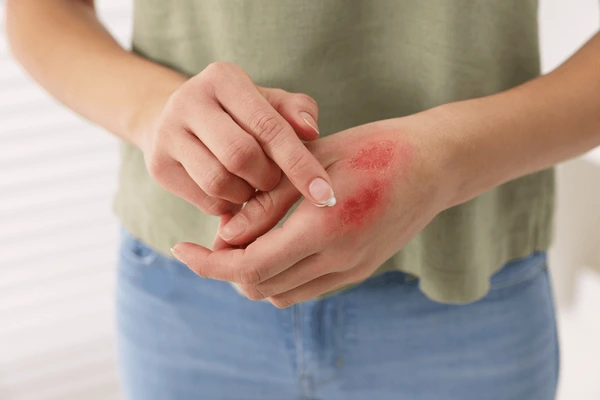
- Red, painful skin
- Swelling in the affected area
- Peeling or flaking as it heals
- No blistering or just small blisters (larger blisters may indicate a more serious burn)
If the skin is charred, white, leathery, or the pain is severe, it’s not a minor burn and needs emergency care.
What to Do Immediately After a Minor Burn or Scald
1. Cool the Burn Right Away
Place the burned area under cool (not cold) running water for 10–20 minutes. This helps reduce pain, limit damage to the skin, and stop the burning process. You can also apply a cool, wet compress if running water isn’t available.
Do not use ice, which can damage the skin further.
2. Remove Constrictive Items
Take off rings, bracelets, or tight clothing around the burned area before it begins to swell.
3. Gently Clean the Area
Use mild soap and water to clean the skin. Avoid scrubbing or breaking any blisters.
4. Protect the Skin
Cover the burn with a clean, non-stick sterile bandage or dressing. This keeps the area clean and helps prevent infection.
5. Relieve the Pain
Over-the-counter pain relievers like acetaminophen or ibuprofen can reduce discomfort and inflammation.
6. Apply a Soothing Ointment (Optional)
Aloe vera gel or an over-the-counter burn ointment can help soothe the area, but avoid greasy substances like butter or oil, which can trap heat and increase the risk of infection.
What to Avoid
- No butter or toothpaste. These home remedies can actually make burns worse.
- Do not pop blisters. Let them heal naturally to avoid infection.
- Avoid tight or synthetic clothing over the burn. Stick with breathable, loose fabrics.
When to Seek Medical Attention
Although many minor burns can be treated at home, seek medical advice if:
- The burn is larger than three inches
- It affects the face, hands, feet, genitals, or a major joint
- There are signs of infection (pus, increased redness, fever)
- Pain worsens or doesn’t improve over a few days
- The burn was caused by chemicals or electricity
Preventing Burns at Home
- Keep hot drinks away from edges of tables or counters
- Use back burners and turn pot handles inward while cooking
- Always test water temperature before bathing a child
- Store hot tools and appliances safely away from children
- Use oven mitts and avoid loose sleeves in the kitchen
Stay Ready, Stay Safe
Minor burns can happen fast—but a calm, informed response can make all the difference. Quick cooling, gentle cleaning, and proper dressing can help the skin heal quickly and comfortably.
Need advice or care after a burn?
Call 305-344-CARE (2273) to speak with a healthcare provider who can guide you through treatment or help determine if your burn needs professional care.
beach medical helpbeachside medical clinicdehydration treatment Miamiemergency clinic Miami BeachER alternative Miamifast care South Floridafood poisoning clinicheat exhaustion Miami Beachjet lag recovery IVkid-friendly urgent careMiami Beach health tipsMiami Beach local doctorMiami nightlife recoveryquick STD testing Miamiquick X-rays MiamiSouth Beach flu seasonsports injury Miami Beachsunburn treatment Miamiurgent care for travelerswound care clinic



















