A deep cut can happen suddenly—while chopping vegetables, handling broken glass, or during a fall. Unlike minor scrapes or surface wounds, a deep cut (also known as a laceration) penetrates multiple layers of skin and …
What to Do if You Cut Yourself Deeply
June 6, 2025
A deep cut can happen suddenly—while chopping vegetables, handling broken glass, or during a fall. Unlike minor scrapes or surface wounds, a deep cut (also known as a laceration) penetrates multiple layers of skin and may involve fat, muscle, or even bone. These types of injuries can bleed heavily, be painful, and pose a risk of infection if not treated properly.
Knowing what to do in the first few minutes after a deep cut can make a major difference in healing and recovery. Here’s a step-by-step guide on how to respond if you or someone else experiences a deep cut.
Step 1: Stay Calm and Assess the Injury
Take a moment to assess the situation. A deep cut may look frightening, especially if there’s a lot of blood, but staying calm is essential. Check for:
- How deep the wound is
- Whether any foreign objects are embedded
- How much it’s bleeding
- If movement or sensation is affected
If the cut is gaping, very long, spurting blood, or exposing tissue or bone, it may require stitches or even emergency care.
Step 2: Apply Direct Pressure
To control bleeding, use a clean cloth, sterile gauze, or even your hand if necessary to apply firm, direct pressure to the wound. Hold steady pressure for 5–10 minutes without lifting the dressing to check. This helps form a clot and slow the bleeding.
If the cloth becomes soaked, place a new one over the top instead of removing the first.
Step 3: Elevate the Wound
If possible, raise the injured area above the level of the heart. This can reduce blood flow to the area and help control bleeding. For example, if you cut your hand or arm, lift it above your head while applying pressure.
Step 4: Clean the Area (If Bleeding Slows)
Once bleeding is under control, gently rinse the wound with clean, lukewarm water. Avoid using hydrogen peroxide or alcohol directly in the wound, as these can damage tissue. Instead, use mild soap and water around the area, being careful not to scrub.
Do not attempt to remove any large or deeply embedded objects—this can cause more damage or increase bleeding.
Step 5: Protect the Wound
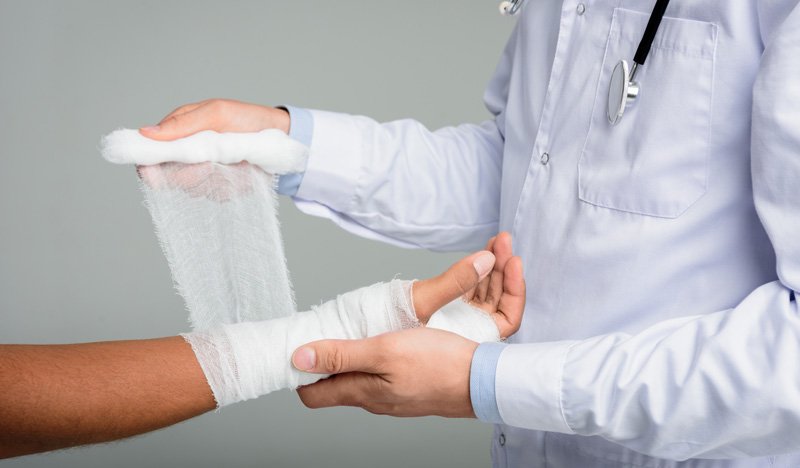
After cleaning, apply an antibiotic ointment if available, and cover the wound with a sterile bandage or gauze. Avoid using fluffy cotton that can stick to the cut.
Keep the wound protected and dry until you can receive further medical care, if needed.
Step 6: Monitor for Signs of Infection
Watch for redness, warmth, pus, swelling, or increased pain in the days following the injury. These can be signs of infection and may require medical treatment or antibiotics.
When to Seek Medical Attention
You should seek medical help immediately if:
- The cut is longer than half an inch
- You can’t stop the bleeding after 10–15 minutes
- You were cut by a rusty or dirty object
- There’s numbness or limited movement around the wound
- You haven’t had a tetanus shot in the last 5–10 years
- You notice signs of infection
Stitches or other treatments may be necessary to close the wound properly and reduce the risk of scarring or complications.
Preventing Future Injuries
- Always use caution with knives, glass, and sharp tools
- Wear protective gloves when doing work that risks cuts
- Keep first aid supplies easily accessible at home and work
- Teach children how to safely handle household items
Know When to Call for Help
A deep cut can be more than just a minor injury. Proper care and timely treatment can help you avoid infection, complications, and long-term damage. If you’re ever unsure about the seriousness of a cut, don’t guess—get professional help.
Call 305-344-CARE (2273) to speak with a healthcare provider who can guide you on wound care, whether you need stitches, or if a tetanus shot is required.
beach medical helpbeachside medical clinicdehydration treatment Miamiemergency clinic Miami BeachER alternative Miamifast care South Floridafood poisoning clinicheat exhaustion Miami Beachjet lag recovery IVkid-friendly urgent careMiami Beach health tipsMiami Beach local doctorMiami nightlife recoveryquick STD testing Miamiquick X-rays MiamiSouth Beach flu seasonsports injury Miami Beachsunburn treatment Miamiurgent care for travelerswound care clinic