
Whether you're a weekend warrior, a youth athlete, or a seasoned competitor, sports injuries can happen anytime—on the field, at the gym, or even during a light jog. Knowing how to properly respond to these …
Handling Sports Injuries
June 6, 2025
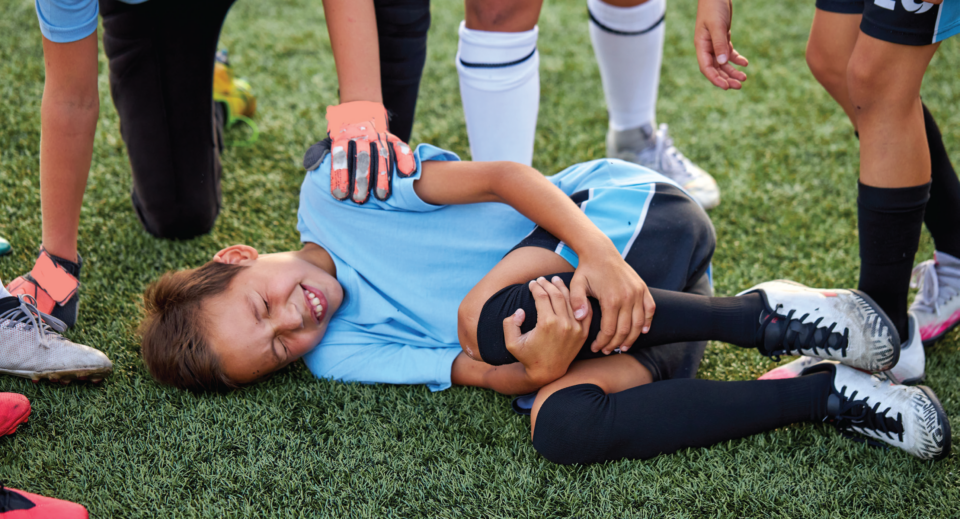
Whether you’re a weekend warrior, a youth athlete, or a seasoned competitor, sports injuries can happen anytime—on the field, at the gym, or even during a light jog. Knowing how to properly respond to these injuries can make a big difference in your healing time and long-term health.
While some injuries are mild and easily treatable at home, others may require professional care. Here’s a practical guide on how to handle sports-related injuries safely and effectively.
Common Types of Sports Injuries
Sports injuries can range from acute (sudden) injuries to chronic (overuse) conditions. Common examples include:
- Sprains (stretched or torn ligaments)
- Strains (stretched or torn muscles or tendons)
- Fractures (broken bones)
- Dislocations (joints forced out of position)
- Tendonitis (inflammation from repetitive use)
- Shin splints, runner’s knee, and rotator cuff injuries
No matter the severity, early intervention is key to a smooth recovery.
Initial Response: The R.I.C.E. Method
For most minor injuries like sprains, strains, or bruises, the R.I.C.E. method is the go-to treatment in the first 24–48 hours:
- Rest – Stop the activity to prevent further damage. Don’t try to “push through” the pain.
- Ice – Apply an ice pack to the injured area for 15–20 minutes every 1–2 hours. This reduces swelling and pain.
- Compression – Use a wrap or bandage to support the injury and limit swelling. Make sure it’s snug but not cutting off circulation.
- Elevation – Raise the injured limb above heart level whenever possible to decrease swelling.
When to Seek Medical Help
Not all injuries are safe to treat at home. Seek medical attention if:
- You hear a popping or snapping sound at the time of injury
- There is significant swelling, bruising, or deformity
- You cannot put weight on the injured area
- Pain persists or worsens after a few days
- Numbness, tingling, or weakness is present
- A joint appears out of place or dislocated
Prompt evaluation can help diagnose fractures, ligament tears, or other serious conditions that require specialized treatment.
Avoiding Common Mistakes
- Don’t ignore pain. Pain is your body’s signal that something is wrong. Rest and get it checked.
- Don’t apply heat too soon. Heat can increase inflammation during the first 48 hours. Stick with ice early on.
- Don’t return to activity too quickly. Doing too much too soon can make the injury worse or lead to reinjury.
Rehabilitation and Recovery
Once the initial pain and swelling subside, focus on rehabilitation. This may involve:
- Gentle stretching
- Strengthening exercises
- Physical therapy
- Gradual return to activity
Follow any medical advice carefully, and don’t rush the healing process. Recovery times vary depending on the injury and the individual.
Prevention Tips
While not all sports injuries are avoidable, you can reduce the risk by:
- Warming up and stretching before activity
- Using proper technique and form
- Wearing appropriate protective gear
- Staying hydrated and rested
- Listening to your body and taking breaks when needed
Consistent conditioning and training can also build strength and flexibility, lowering your risk over time.
Know When to Call
Sports injuries are a part of an active life—but ignoring them can lead to long-term problems. Early care, smart recovery, and professional guidance make all the difference.
Call 305-344-CARE (2273) to speak with a healthcare provider who can help you recover safely, reduce pain, and return to the activities you love.
beach medical helpbeachside medical clinicdehydration treatment Miamiemergency clinic Miami BeachER alternative Miamifast care South Floridafood poisoning clinicheat exhaustion Miami Beachjet lag recovery IVkid-friendly urgent careMiami Beach health tipsMiami Beach local doctorMiami nightlife recoveryquick STD testing Miamiquick X-rays MiamiSouth Beach flu seasonsports injury Miami Beachsunburn treatment Miamiurgent care for travelerswound care clinic



















