
Spending time outdoors is great for your health and well-being—but it also comes with the risk of insect bites and stings. While most are harmless and cause only mild discomfort, some can trigger serious allergic …
Insect Bites and Stings: What’s Normal vs. Dangerous
June 6, 2025
Spending time outdoors is great for your health and well-being—but it also comes with the risk of insect bites and stings. While most are harmless and cause only mild discomfort, some can trigger serious allergic reactions or transmit diseases. Knowing how to recognize what’s normal versus what’s potentially dangerous can help you respond quickly and appropriately.
Here’s what you need to know to stay safe, treat common reactions, and spot warning signs that it’s time to call for help.
Common Insect Bites and Stings: What’s Normal?
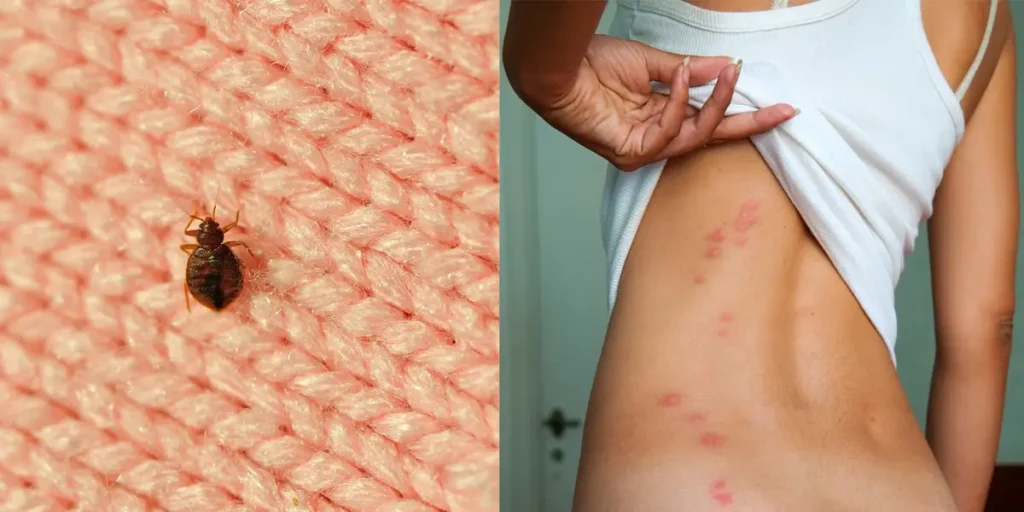
Most insect bites and stings from mosquitoes, ants, bees, wasps, or spiders are mild and self-limiting. Normal symptoms include:
- Redness around the bite or sting site
- Mild swelling
- Itchiness or irritation
- A small bump or welt
- Slight warmth in the area
These symptoms typically last from a few hours to a couple of days. Treatment at home is usually all that’s needed.
How to Treat Minor Reactions:
- Wash the area with soap and water.
- Apply a cold compress to reduce swelling and itching.
- Use over-the-counter creams like hydrocortisone or calamine lotion.
- Take antihistamines (like diphenhydramine or loratadine) for itching.
- Avoid scratching, which can cause infection.
When an Insect Bite or Sting May Be Dangerous
In some cases, insect stings or bites can cause severe allergic reactions, infections, or transmit disease. Here’s what to look out for:
Signs of a Severe Allergic Reaction (Anaphylaxis):
- Difficulty breathing or wheezing
- Swelling of the face, lips, tongue, or throat
- Rapid heartbeat
- Dizziness or fainting
- Hives that spread quickly
- Nausea, vomiting, or abdominal cramps
These symptoms can occur within minutes of the sting or bite and are life-threatening. Call 911 immediately and use an epinephrine auto-injector if available.
Other Serious Reactions That Require Medical Attention:
- A large, swollen area that grows over time
- Signs of infection (pus, increasing pain, fever)
- A bullseye rash or flu-like symptoms after a tick bite (possible Lyme disease)
- Muscle cramps or sweating after a spider bite (e.g., black widow)
- Ulcers or dead tissue forming at the site (e.g., brown recluse bite)
If you experience any of these symptoms, don’t delay seeking professional care.
Types of Insects That Can Cause Dangerous Reactions
- Bees and Wasps: Can cause life-threatening allergic reactions, especially in those with bee venom allergies.
- Fire Ants: Their stings can be painful and cause pustules and allergic responses.
- Ticks: Known for transmitting Lyme disease, Rocky Mountain spotted fever, and other illnesses.
- Spiders: While most are harmless, certain spiders (like black widows or brown recluses) can cause serious reactions.
- Mosquitoes: Can transmit viruses such as West Nile, dengue, or Zika in some regions.
Prevention Tips for Insect Bites and Stings
- Use insect repellent with DEET or picaridin.
- Wear long sleeves and pants when in wooded or grassy areas.
- Avoid wearing strong perfumes or bright colors outdoors.
- Shake out shoes and clothing before putting them on.
- Keep food and sugary drinks covered when outside.
- Avoid disturbing insect nests or hives.
When in Doubt, Get Checked Out
You don’t have to panic after every bite or sting—but you should stay alert to how your body reacts. If symptoms don’t improve in a few days, worsen, or suggest something more serious, it’s time to talk to a healthcare professional.
Call 305-344-CARE (2273) to speak with a provider who can help you identify your symptoms, recommend the right treatment, and offer peace of mind.
beach medical helpbeachside medical clinicdehydration treatment Miamiemergency clinic Miami BeachER alternative Miamifast care South Floridafood poisoning clinicheat exhaustion Miami Beachjet lag recovery IVkid-friendly urgent careMiami Beach health tipsMiami Beach local doctorMiami nightlife recoveryquick STD testing Miamiquick X-rays MiamiSouth Beach flu seasonsports injury Miami Beachsunburn treatment Miamiurgent care for travelerswound care clinic



















