
You cleaned the wound, applied a bandage, and thought everything was under control—until the bleeding starts again. Whether it’s from movement, a bumped bandage, or a wound that wasn’t fully closed, it’s important to know …
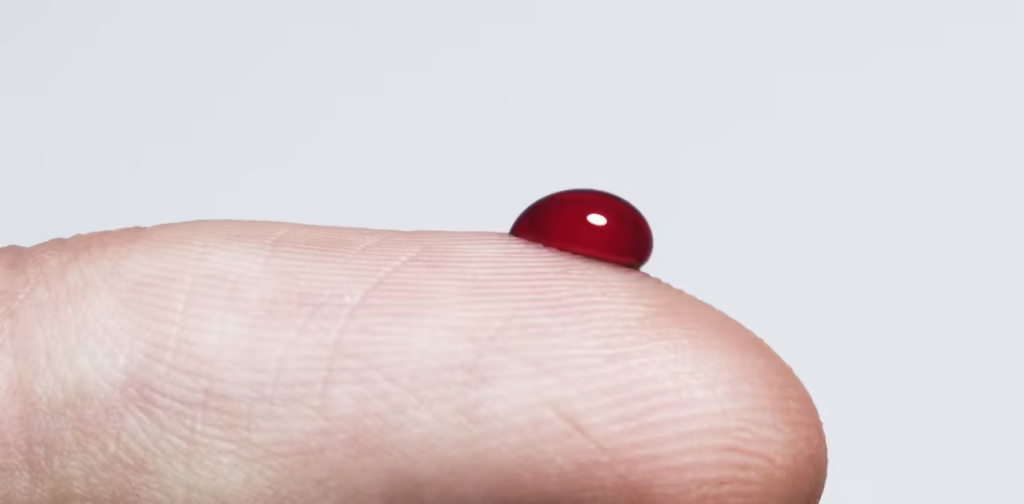
What to Do If a Cut Starts Bleeding Again
July 2, 2025
You cleaned the wound, applied a bandage, and thought everything was under control—until the bleeding starts again. Whether it’s from movement, a bumped bandage, or a wound that wasn’t fully closed, it’s important to know what to do when a cut reopens or starts bleeding again.
Here’s a step-by-step guide to safely managing a bleeding cut at home and when to seek professional help.
Step-by-Step: What to Do If a Cut Reopens or Bleeds Again
- Stay Calm and Apply Pressure
The most effective way to stop bleeding is firm, steady pressure. Use a clean cloth, sterile gauze, or even a folded paper towel if that’s what’s available. Hold pressure for at least 5–10 minutes without checking too soon. - Elevate the Area if Possible
If the bleeding cut is on an arm, hand, or leg, raise it above heart level to help slow the flow of blood. - Don’t Wipe—Just Press
Avoid wiping the wound clean during bleeding. This can disturb clotting and make bleeding worse. Let pressure and time do the work. - Apply a Cold Compress (Optional)
A cold pack applied near the area can help constrict blood vessels and slow bleeding. Wrap the compress in a clean towel and don’t apply it directly to the wound. - Re-clean the Wound After Bleeding Stops
Once the bleeding has fully stopped, gently rinse the area with cool water to remove dried blood. Pat the skin dry carefully. - Re-dress the Wound
Apply a new bandage or gauze pad. If the wound is in a spot where movement keeps opening it, try using flexible bandages or wrapping with medical tape to better secure it. - Avoid Heavy Movement or Pressure
Give the area a chance to heal. Repeated bending or stretching over a wound site can cause it to reopen.
What to Watch Out For
While minor cuts that bleed again can usually be managed at home, you should visit urgent care if:
- Bleeding doesn’t stop after 10 minutes of firm pressure
- The wound is deep, jagged, or gaping open
- There is visible fat, muscle, or bone
- Blood is spurting (could be from an artery)
- There are signs of infection (redness, warmth, pus, swelling)
- The injury was caused by a dirty or rusty object, or a bite
- You haven’t had a tetanus shot in the last 5 years
Helpful Tips & Common Myths
- ❌ Myth: You should check the wound every minute while pressing – This interrupts clotting. Hold steady pressure for at least 5–10 minutes.
- ✅ Tip: Keep a small tube of antibiotic ointment in your first aid kit – It helps protect against bacteria once the bleeding stops.
- ❌ Myth: Hydrogen peroxide helps stop bleeding – It can actually slow healing and damage tissue.
- ✅ Tip: Always rest the injured area after rebandaging – Let the wound settle and avoid unnecessary strain.
If symptoms get worse or don’t improve, visit your local urgent care provider for professional evaluation.
Hey Did You Know We Have an IV Therapy Spa Inside? Check out our drip menu!



















