After you’ve cleaned and dressed a wound, the next step is monitoring the healing process. But how do you know if things are going well—or if something’s wrong? Understanding the signs of proper healing versus …
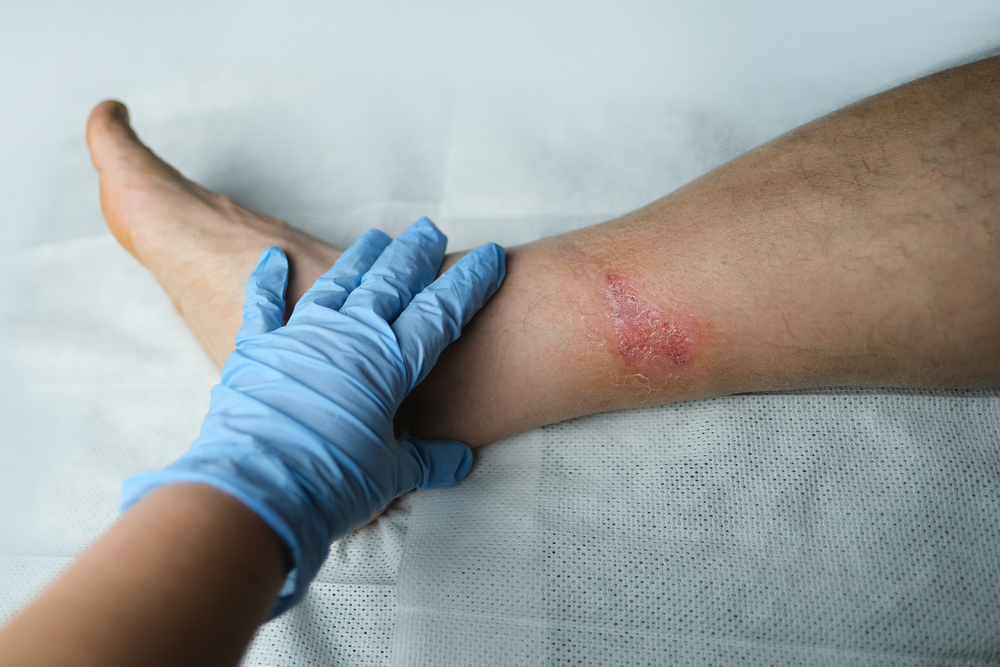
How to Know If a Wound Is Healing Properly
July 2, 2025
After you’ve cleaned and dressed a wound, the next step is monitoring the healing process. But how do you know if things are going well—or if something’s wrong? Understanding the signs of proper healing versus symptoms of infection can help you avoid complications and know when it’s time to seek urgent care.
Here’s how to tell if your wound is on track and what to do if something doesn’t seem right.
Step-by-Step: What Proper Wound Healing Looks Like
- Mild Redness Around the Edges
It’s normal for the skin around the wound to be slightly red or pink at first. This is part of the body’s natural inflammatory response as it starts to heal. - Scabbing or Moist Healing
Depending on whether the wound was kept covered or not, you may see a scab forming or a moist layer of tissue called granulation. Both are signs that healing is underway. - Minimal Swelling
Slight swelling within the first day or two is expected. It should gradually decrease and not feel hot or painful to the touch. - Itching or Tingling
These are good signs. Itching is common as nerves regenerate and the skin starts to close over the wound. - No Pus or Discharge
A small amount of clear or slightly yellow fluid is normal, but thick, green, or smelly discharge may be a sign of infection. - Wound Gets Smaller Over Time
As healing progresses, the wound edges will begin to close in. This is one of the clearest indicators that recovery is moving in the right direction. - New Skin Formation
As the wound closes, new pinkish skin may appear. This tissue is fragile at first but strengthens over time.
What to Watch Out For
Sometimes, even small wounds can go off course. Contact an urgent care provider if you notice:
- Increasing pain, redness, or swelling after the first 48 hours
- Red streaks moving away from the wound
- Thick yellow or green pus
- A foul odor from the wound
- Warmth or hardness around the area
- Fever, chills, or swollen lymph nodes
- No signs of healing after several days
You should also seek care if the wound was caused by a dirty object, bite, or burn, or if you haven’t had a tetanus shot in the past 5 years.
Helpful Tips & Common Myths
- ✅ Tip: Keep wounds covered in the early stages – It helps maintain moisture and reduces infection risk
- ❌ Myth: A wound should scab over immediately – Moist wound care often leads to faster healing and less scarring
- ✅ Tip: Change dressings daily – Fresh, clean bandages support the healing environment
- ❌ Myth: If it doesn’t hurt, it’s fine – Some infected wounds don’t cause pain right away
If symptoms get worse or don’t improve, visit your local urgent care provider for professional evaluation.
Hey Did You Know We Have an IV Therapy Spa Inside? Check out our drip menu!