
Burn blisters form as the body’s natural defense mechanism after a second-degree burn. While they can be painful and unsightly, blisters play a crucial role in protecting your skin while it heals. Knowing how to …
Burn Blister Care: What to Do and What to Avoid
July 2, 2025
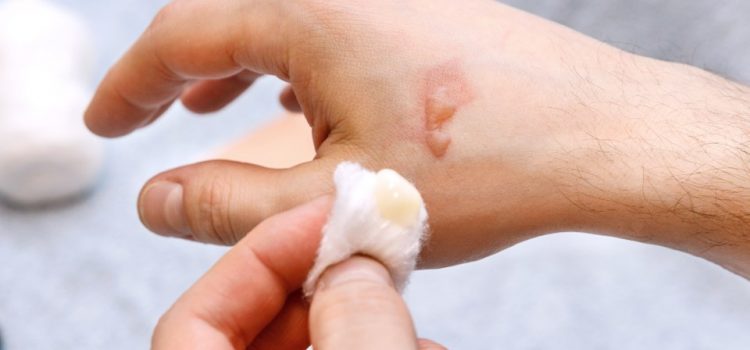
Burn blisters form as the body’s natural defense mechanism after a second-degree burn. While they can be painful and unsightly, blisters play a crucial role in protecting your skin while it heals. Knowing how to care for a burn blister properly—and what mistakes to avoid—can make all the difference in preventing infection and scarring.
Here’s how to safely manage burn blisters at home and when to seek professional care.
Step-by-Step: How to Care for a Burn Blister
- Cool the Burn Immediately (Before Blistering Begins)
Run the affected area under cool water for 10–15 minutes right after the injury. This helps stop the burn from progressing and reduces inflammation. - Leave the Blister Intact
Do not pop or break the blister. It serves as a sterile barrier that protects the skin underneath as it regenerates. - Clean the Area Gently
Wash the surrounding skin with mild soap and water once or twice daily. Pat dry with a clean towel—don’t rub. - Apply a Burn-Specific Ointment
Use aloe vera or a burn cream formulated for second-degree burns. Avoid petroleum jelly directly on intact blisters, as it may trap moisture and heat. - Cover with a Non-Stick Bandage
Use a sterile, non-stick gauze pad or hydrocolloid dressing to protect the blister from friction and bacteria. Change it daily or if it becomes wet or dirty. - Keep the Area Elevated (if possible)
If the blister is on a limb, try to keep it elevated to reduce swelling.
What to Avoid
- ❌ Do not pop the blister – This increases the risk of infection and delays healing
- ❌ Do not apply ice directly – It can damage tissue and worsen the burn
- ❌ Avoid using cotton balls or fluffy dressings – These can stick to the wound and cause irritation
- ❌ Skip harsh antiseptics like hydrogen peroxide or alcohol – These can damage healing tissue
When to Seek Medical Help
See an urgent care provider if:
- The blister is larger than 2 inches
- It’s located on your face, hands, feet, genitals, or over a joint
- The blister breaks and shows signs of infection (pus, odor, redness, warmth)
- You experience fever, chills, or swollen lymph nodes
- Pain increases after the first day or doesn’t improve
- You’re unsure if the burn is second- or third-degree
Helpful Tips & Common Myths
- ✅ Tip: Let the blister drain naturally if it breaks – Gently wash and apply antibiotic ointment and a clean bandage
- ❌ Myth: All blisters should be popped to relieve pressure – Popping can lead to infection and longer healing time
- ✅ Tip: Keep the area clean and dry – Moisture can lead to bacterial growth
- ❌ Myth: You should expose the blister to air to help it dry out – Covered wounds heal faster and with less risk of infection
If symptoms get worse or don’t improve, visit your local urgent care provider for professional evaluation.
Hey Did You Know We Have an IV Therapy Spa Inside? Check out our drip menu!



















